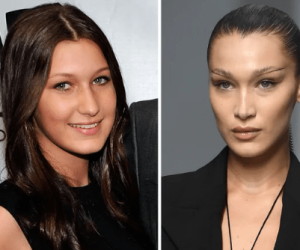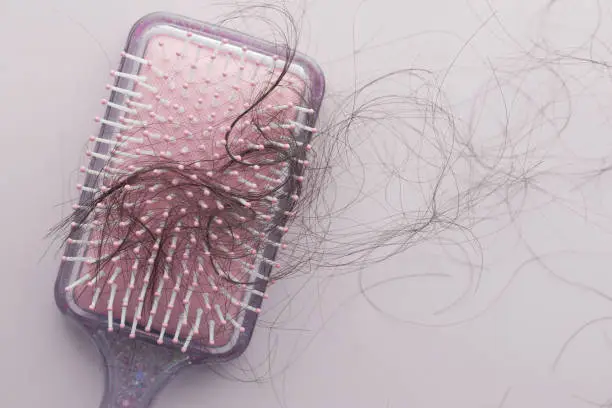
Frontal Fibrosing Alopecia (FFA) is a type of scarring hair loss and can cause the gradual recession of the frontal hairline; self-esteem and body image can be affected. Celebrities identifying themselves with frontal fibrosing alopecia are providing some useful visibility, normalizing FFA and providing many with hope.
They have shared stories that encapsulate not only the struggle of accepting, living and eventually thriving with a condition called alopecia, but they embody the important elements of accepting the condition, raising awareness, and creating more opportunities to discontinue the treatments before further decline.
Below we identify 10 celebrities who are publicly associated with alopecia and we hope that others are motivated to tell their personal stories as being aware, open, and honest about being themselves.
1. Jada Pinkett Smith
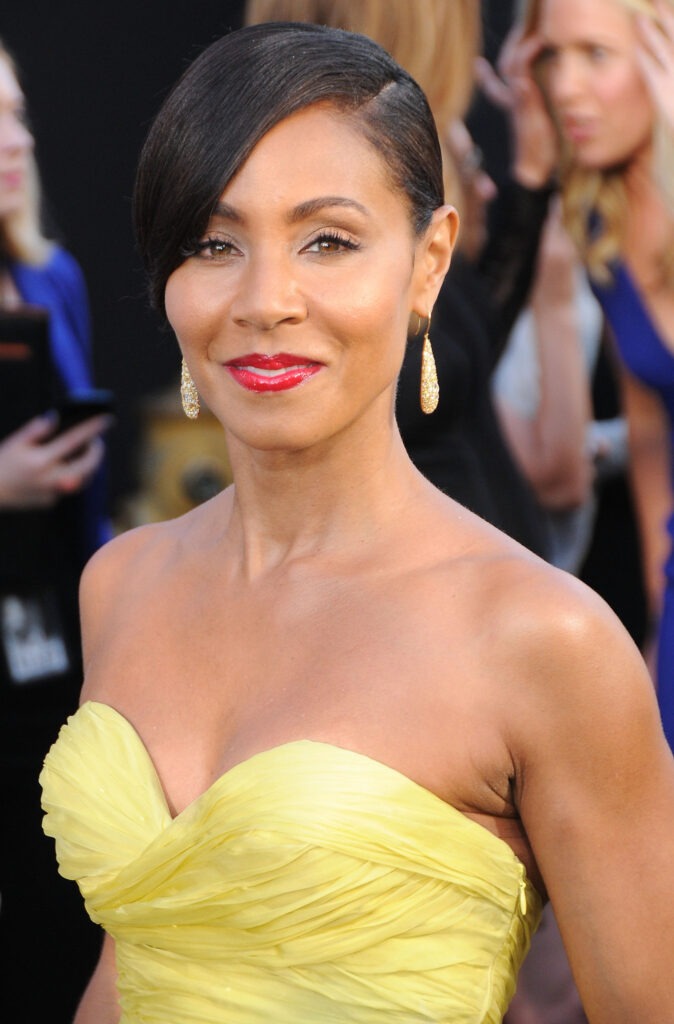
Jada Pinkett Smith is one of the most recognized public figures associated with alopecia. Her story started in 2018 when she revealed she was experiencing clumps of hair missing. There are some of the indications of frontal fibrosing alopecia with Jada’s alopecia often localized to the frontal hairline.The height of her candour was at the 2022 Oscars where Jada’s alopecia initiated a global conversation.
2. Alessia Cara

Singer songwriter Alessia Cara has also shared her story of struggling with hair loss related to stress and autoimmune issues. Fans can understand the various signs of hair loss and noted she was thinning around her hairline which may have exhibited signs of frontal fibrosing alopecia. Also like Jada, Alessia did not conceal her alopecia but publicly addressed it, demonstrating the importance of self love and authenticity.
3. Jesy Nelson
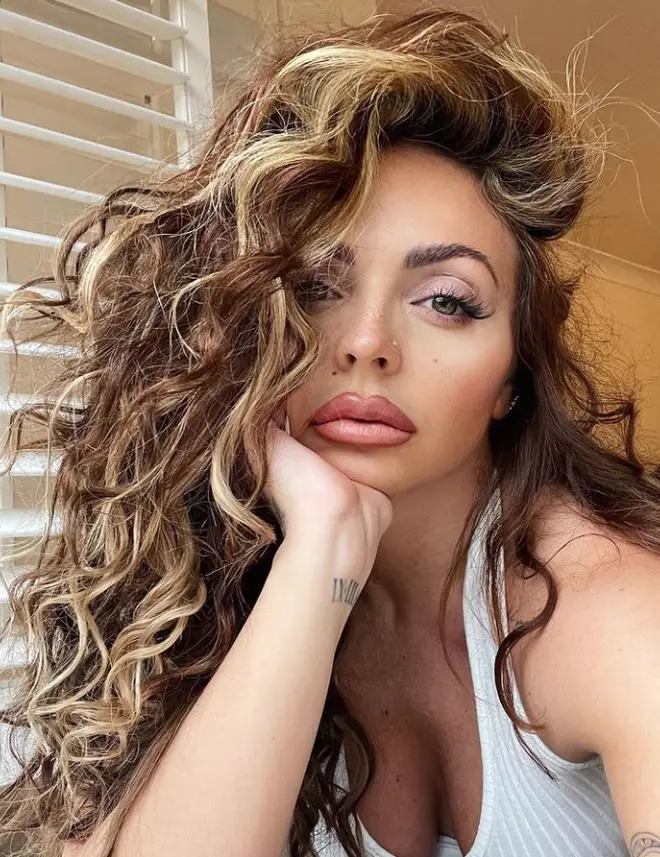
Jesy Nelson, previously a member of Little Mix, realized she had alopecia as a child. Stress and bullying progressively worsened this condition over the years. Jesy has been candid about her thinning hair and receding hairline over the years, both of which are commonly identified as FFA. Jesy has utilized wigs and extensions to help her hair look nicer, but stresses self-love too.
4. Rob Holding
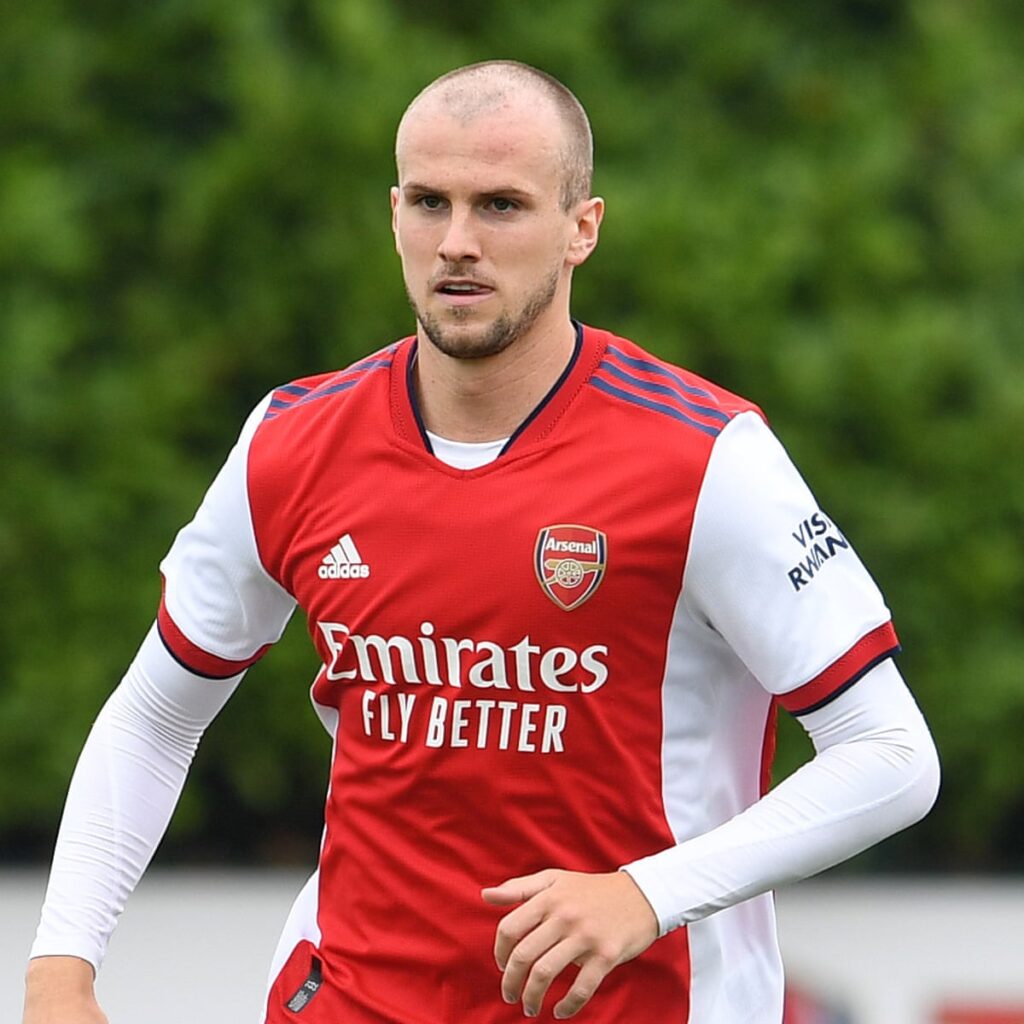
Once professional soccer player Rob Holding addressed his frontal hair line recession and said he underwent hair transplant surgery. He too was linked to early-age alopecia presenting patterns linked to FFA. Instead of keeping the fact private, he strayed from the stigma surrounding male hair loss and opted to share his experience.
5. Matt Lucas
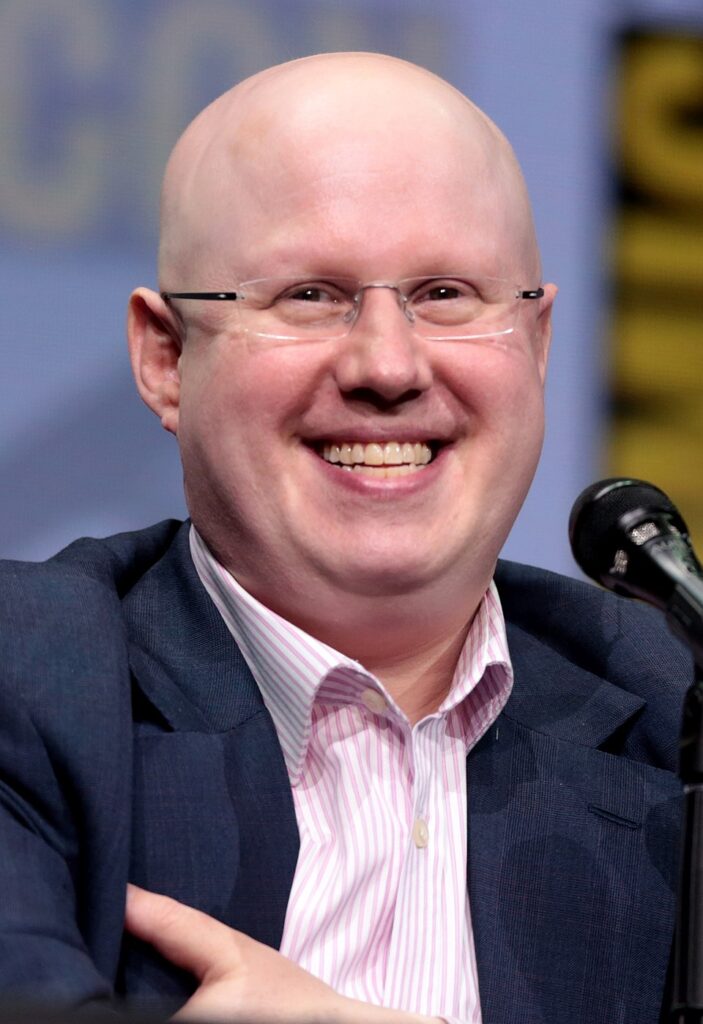
Comedian and actor Matt Lucas has lived with alopecia since he was a boy, and has lost all of his hair (head, eyebrows, eyelashes) due to alopecia universalis. While his experience is not like typical FFA, and despite the challenges of living with this disease, Matt created a very successful career as a comedian and presenter and had a resilient attitude towards the challenges of having alopecia.
6. Stephanie Davis
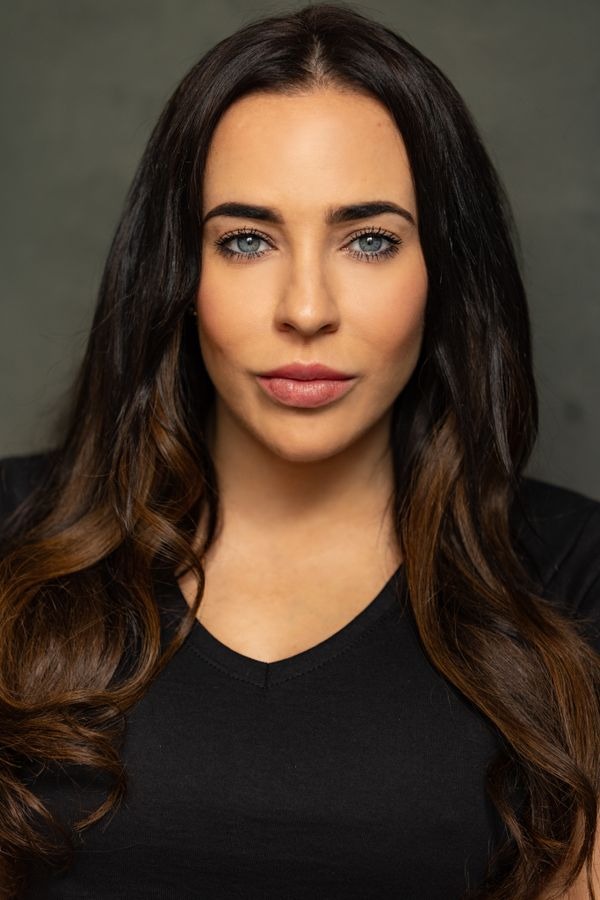
Actress Stephanie Davis, mostly known for playing Sinead O’Connor on Hollyoaks, has also had hair loss due to stress, and alopecia. She has shared images that show some significant thinning on her temples and on her hairline which aligns with some facets of frontal fibrosing alopecia. Stephanie had also spoken of her mental health concerns and how having hair loss was a big hit to her self-esteem.
7. Olivia Bentley

Made in Chelsea’s Olivia Bentley has been very open about her hair loss in relation to her experience with alopecia. In her early 20s, she was aware of a difference in the hairline at the front of her head, and this early hair thinning had a big impact on her confidence. Bentley has often discussed the emotional anxiety associated with frontal fibrosing alopecia particularly in the industry she works in, where appearance is scrutinized.
8. Gail Porter
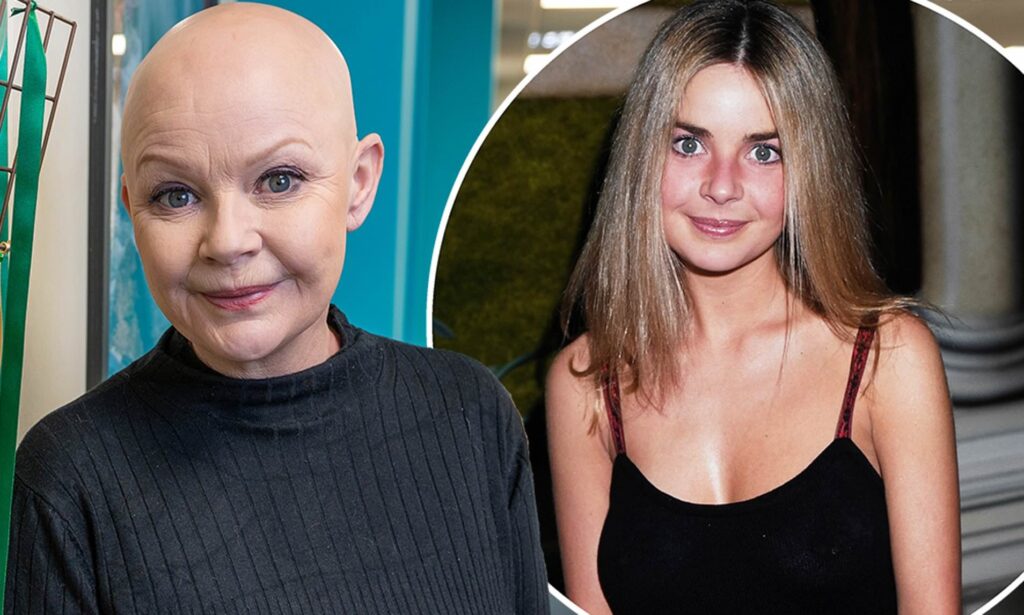
Scottish TV presenter Gail Porter is one of the most high-profile celebrities to live with alopecia. In the early 2000s, she developed alopecia totalis and lost her hair, including eyebrows and eyelashes. Although her experience is not specific to FFA, the dramatic hair loss does illustrate the severity alopecia can bring. Gail shocked people by showing her bald look instead of hiding it, and even featured on magazine covers.
9. Lewis Hamilton
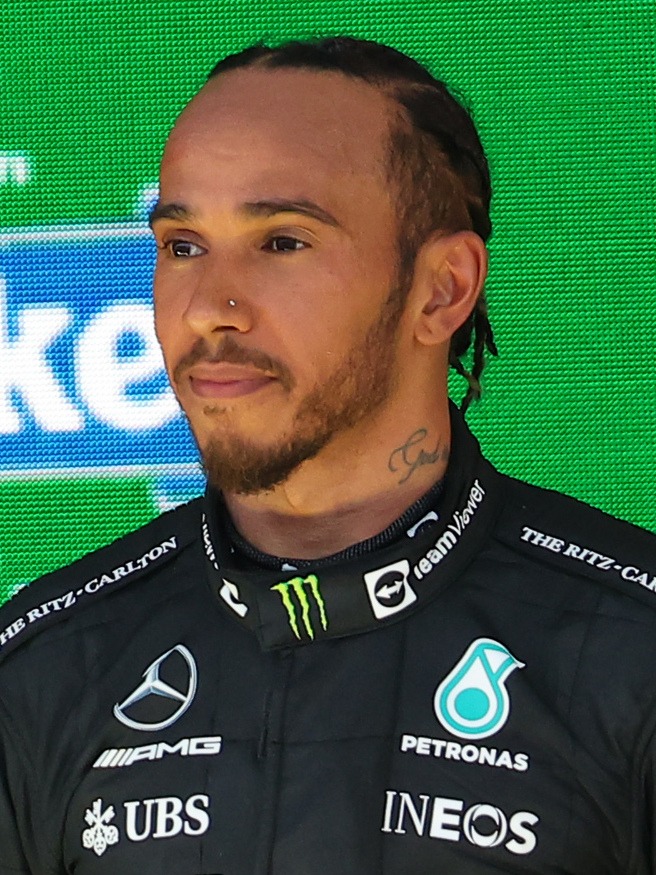
Formula 1 champion Lewis Hamilton, aka “LH44,” has also faced hair thinning and hairline issues over the years. In the past, he has been photographed with noticeable temporal alopecia related recession at the temples. Lewis has since discussed the importance of caring for your hair, and he speaks against using styling practices that damage our hair more.
10. ZaraLena Jackson
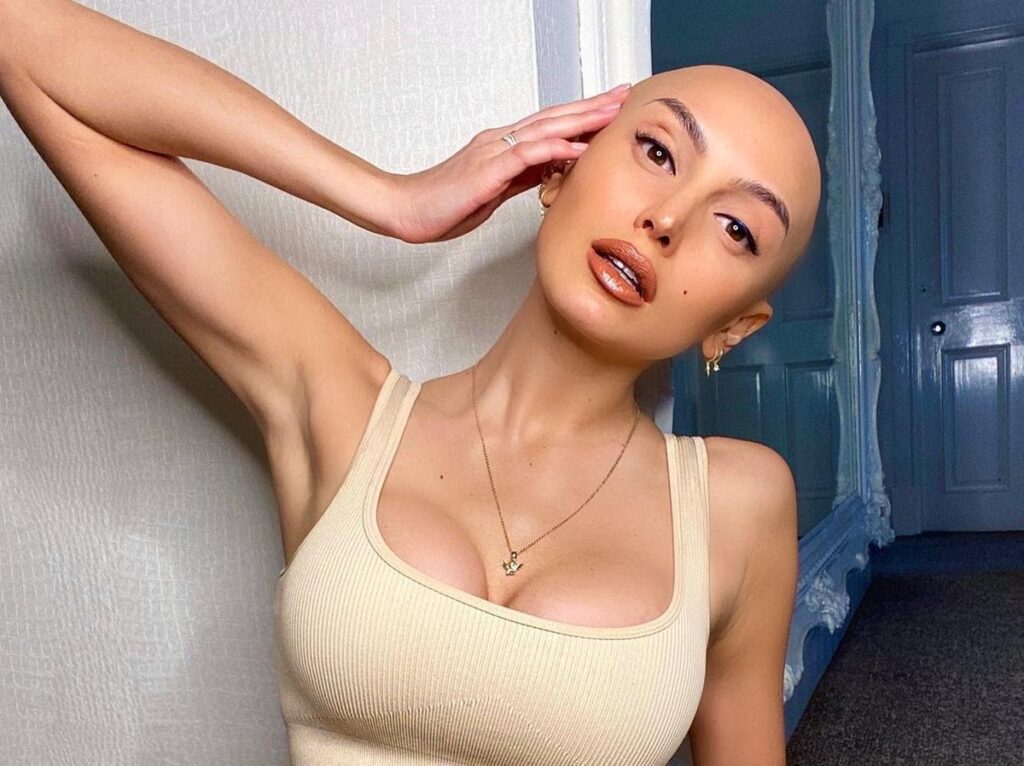
Reality show star ZaraLena Jackson (Ex on the Beach) publicly spoke about her struggles with alopecia areata in 2017. ZaraLena confirmed that she found it “hard to bear” to watch her hair go so quickly; it had a huge emotional impact, but she bravely went public.
FAQs
Q1: What is frontal fibrosing alopecia?
It is a scarring alopecia which leads to a receding hairline and permanent hair loss starting at the temples and spreading all over the scalp.
Q2: Is FFA scarring alopecia permanent?
After the scarring develops, hair regrowth is not possible. Progression of the scarring loss can be slowed or halted with treatment.
Q3: Can alopecia be promoted by celebrities?
Certainly. Celebrities’ alopecia stories aid in the normalization of self treatment of hair loss and self treatment and self treatment as personality treatment.
Q4: What other treatments are available for FFA?
They include corticosteroids and other anti-inflammatory drugs, and in some cases, hair transplants. The best approach is to consult a physician early.
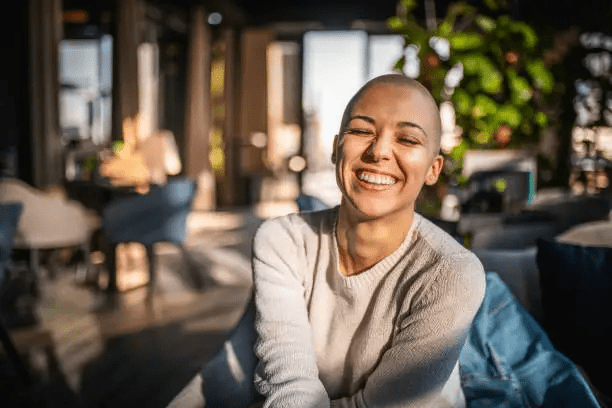
Image Credit: source
Conclusion
The impact of alopecia, including frontal fibrosing alopecia, spans over different populations – including the most renowned figures. The wide range of public figures who deal with this condition inspires me so much and energizes the work that I do. Jada Pinkett Smith’s fearless approach towards baldness and Rob Holding’s honest discussion about his hair transplant demonstrate a common trait amongst all individuals: the ability to face challenges head-on, along with the grace to accept them. I see alopecia as the smallest problem to deal with – there is so much beauty in defying the odds. What these public figures do to the world is to remind people that alopecia should not be associated with the willingness to get help. Each of their emotions fuels the fire to seek enormous hours of therapy to help conceal alopecia, since public figures empower people to seek help.