From the unfathomable and obscure realms of ancient myths down to the impressive and bright skies of Hollywood, unimaginable creatures of the sea have been and still are taking our thoughts captive forever. They epitomized man’s fear of the unknown, remaining in the dark waters where the light disappears and the myths are born. They might be coming from the darkness of fables, huge movie productions, or magic games, but still, the sea monsters are the symbols of both nature’s power and mankind’s insatiable curiosity.
Let us dive into the twenty-five most fearsome fictional sea monsters that have been ruling over the aquatic domains, provoking the sinking of vessels, and winning the love and attention of people throughout the ages by means of history and popular culture.
1. The Kraken
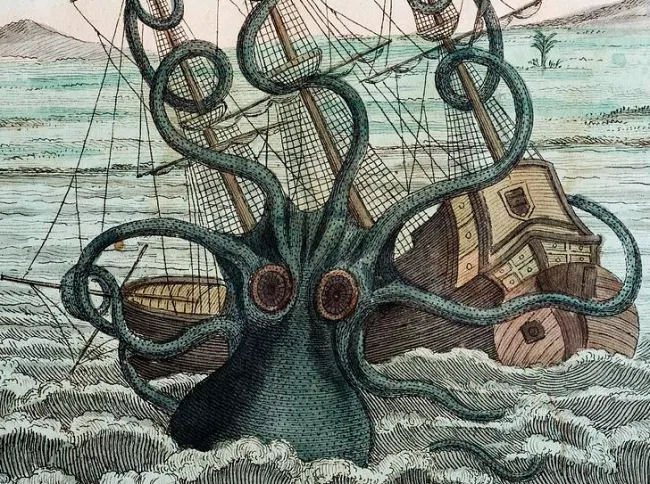
The Kraken is a gigantic creature resembling a squid, that according to Norse mythology lived in the sea near Norway and Greenland shores. It was notorious for pulling whole ships down to the seabed, and thus it got the role of a major character in the film Pirates of the Caribbean: Dead Man’s Chest. Its gigantic arms and whirlpool-generating power qualify it as the king of the sea panics.
2. Leviathan
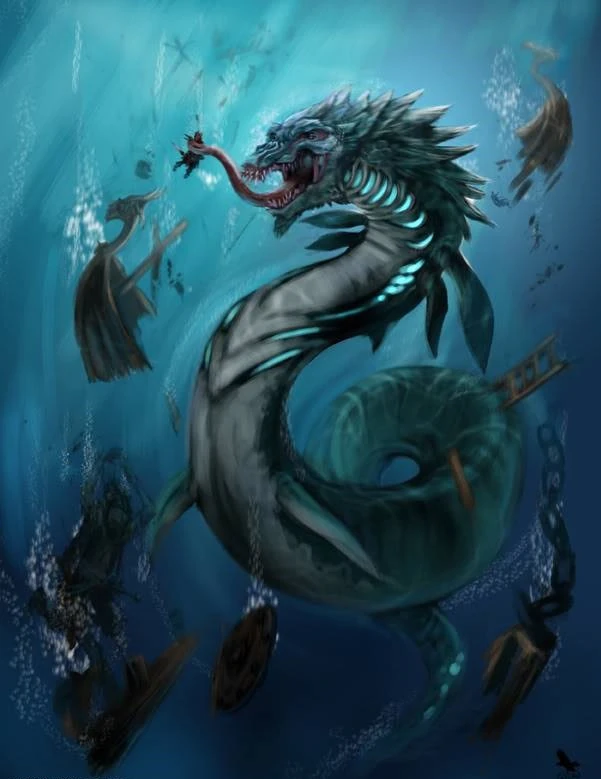
This gigantic sea monster was characterized in the Hebrew Bible as a serpent and was a symbol of chaos and destruction. Nowadays it is a common theme in video games and films, but still, it remains as an invincible sea creature of the underworld who attracts the very fear and punishment meted out by God.
3. Charybdis
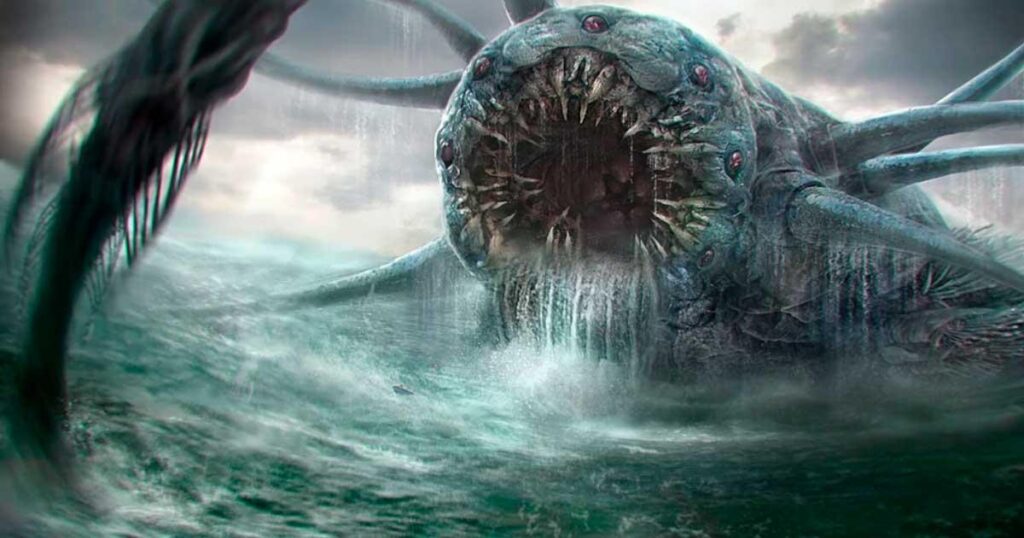
Charybdis from Greek mythology is a terrible whirlpool that could be likened to Scylla’s monster in a sense that it would also take lives. The sailors who attempted to make their way through the two were doomed as she could engulf whole ships in her water vortex, thus, she became one of the ocean monster myths.
4. Scylla
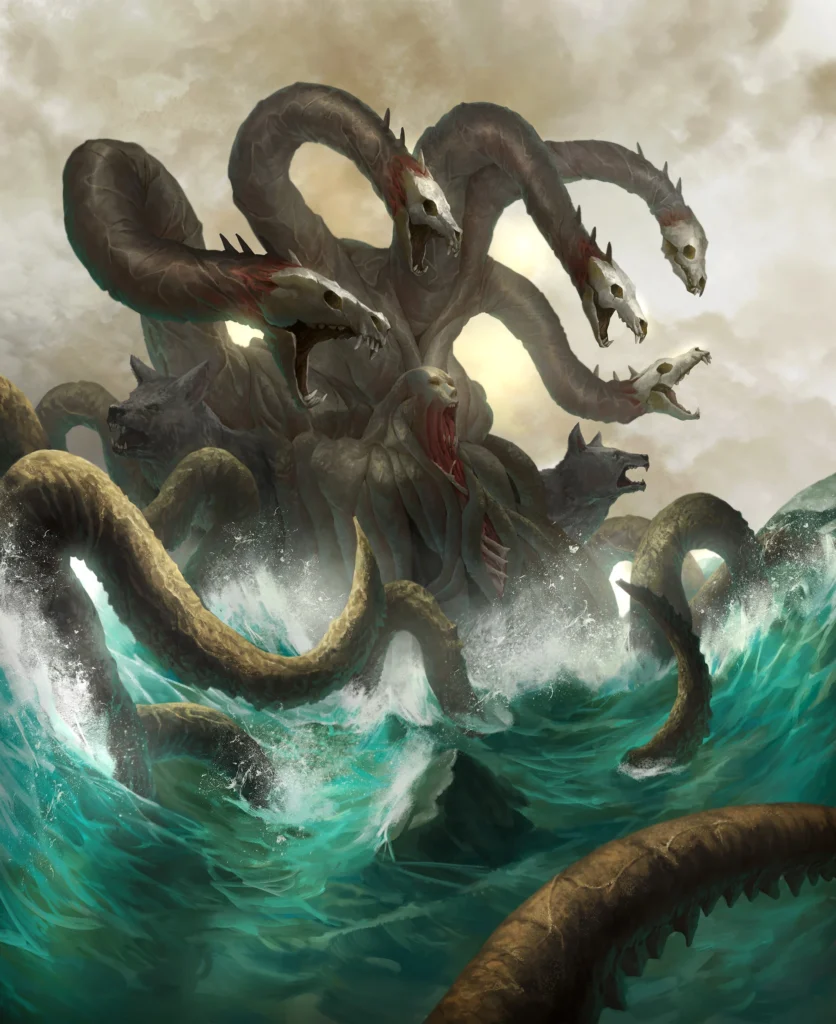
Scylla and Charybdis remained a topic of discussion as one being; she was an ocean nymph who got converted into a monster with six heads. The heads of Scylla were all very greedy and starving, and consequently, they formed the common horror of sending the sailor to the jaws of the monster, which became an awful experience not only in ancient Greece and later epic literature.
5. Jörmungandr (Midgard Serpent)
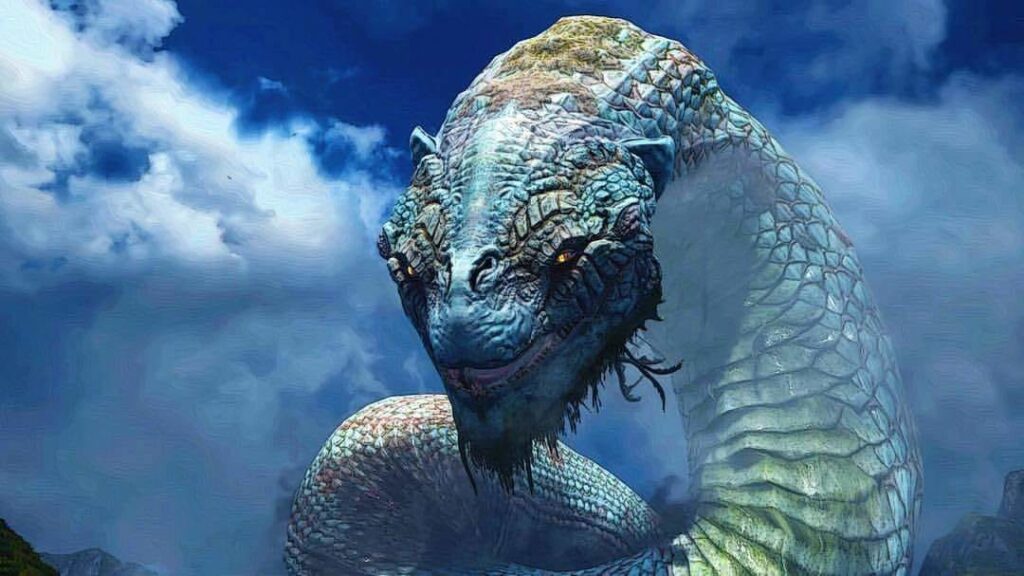
In Norse mythology, Jörmungandr is described as a massive snake that could be easily mistaken for a world serpent lying still under the sea. The serpent played a major role during Ragnarök, seen as Thor’s opponent, and its rise from the ocean was taken to mean the coming of the end of the world.
6. Sirens
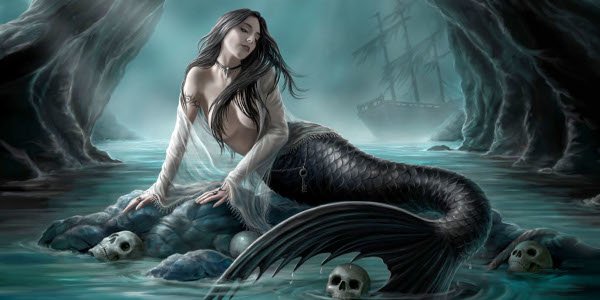
The ancient Greek myths present these enchanting but death-dealing creatures as possessing the enchanting power of their songs to lure the sailor to his death as their ultimate charm. Sirens are often portrayed as a fade of woman, bird, and fish, and they symbolize the misleading beauty and the strongest attraction of the sea.
7. The Sea Bishop
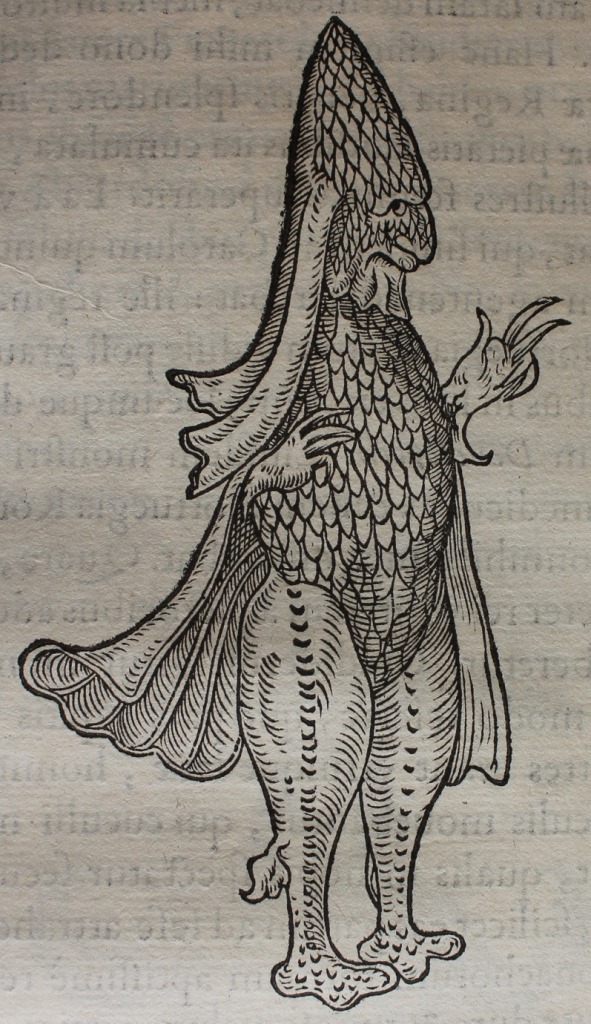
A strange creature from medieval Europe, the Sea Bishop was described as a fish wearing a bishop’s robe. It was believed to have conversations with monks and then would disappear into the water, thereby bestowing a very eerily spiritual quality on the sea legends.
8. Umibōzu
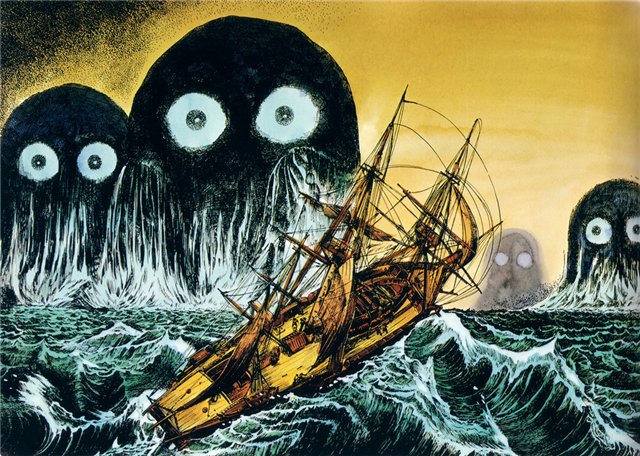
The figure of Umibōzu is part of Japanese mythology, a horrible shadow of the ocean that comes out on calm nights to drown the ships. Its obscure and evil behavior gives rise to an unattractive mythological monster.
9. Aspidochelone
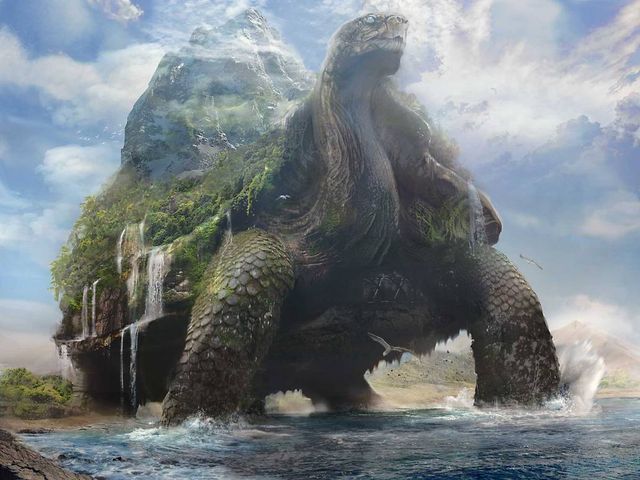
Aspidochelone, a gigantic turtle or whale of such dimensions that it appears to be an island, attracts the marine men to sit on its dorsal side and ultimately plunges to the ocean bed. The myth cautioned about the misleading character of events and the lurking risks in the nature.
10. Dagon
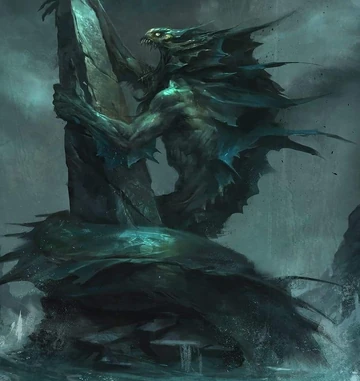
Initially, a celebrated god among the Philistines, Dagon ended up being a bloody sea god in the works of H.P. Lovecraft. In The Shadow Over Innsmouth, he is depicted as the master of the terrible fish-men, who, to the reader, are the living embodiments of the ancient sea’s horror in contemporary literature.
11. The Deep Ones
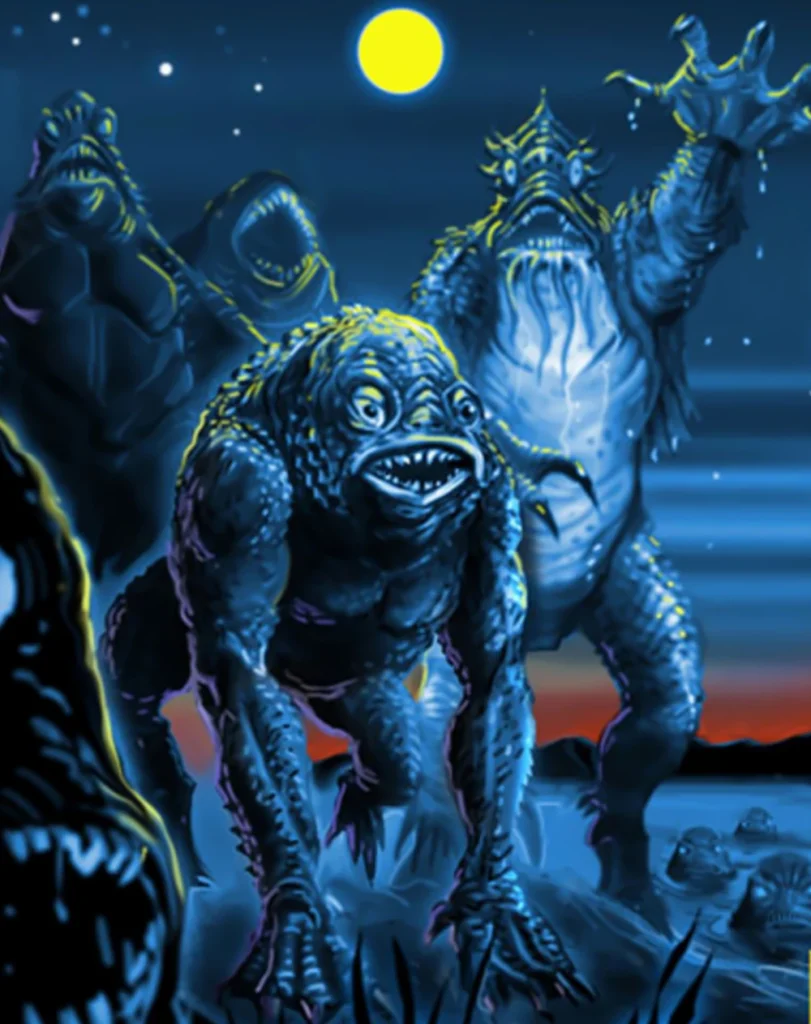
The Deep Ones, another of the numerous Lovecraftian inventions, are sea creatures that are hybrid half-human and half-fish. They interbreed with humans and as a result, there are strange cults that worship the ocean gods thus the cosmic terror gets interspersed within the oceanic riddle.
12. Megalodon
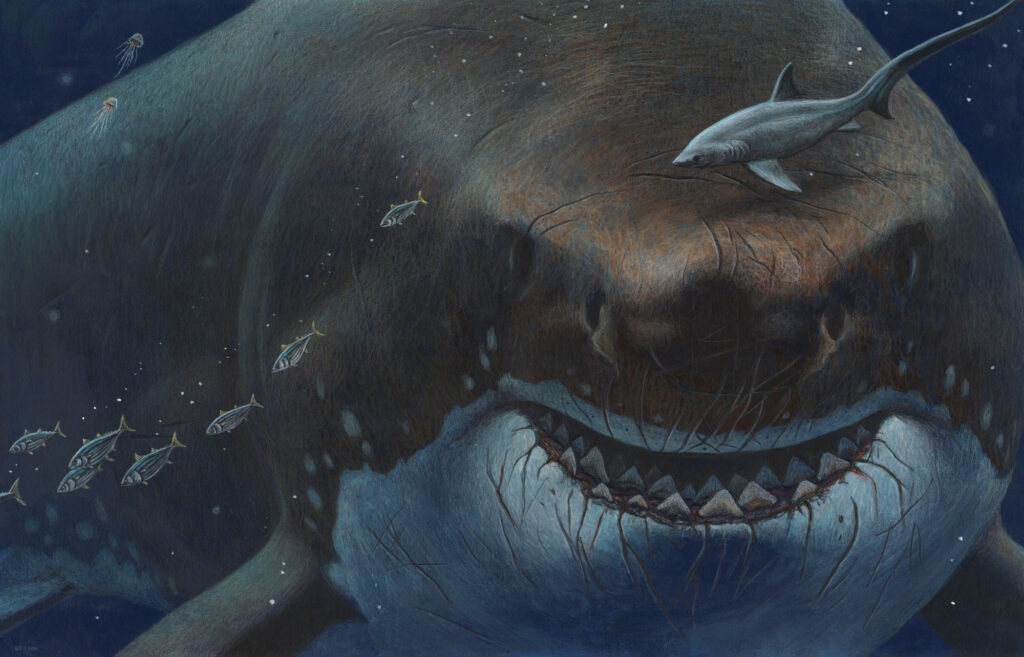
The Megalodon, connected to real prehistoric sharks, has become a mythical character that represents the fear of the deep ocean’s, which has been reflected in various movies such as The Meg or in several documentaries as a large creature that still has reversible water today.
13. The Cloverfield Monster
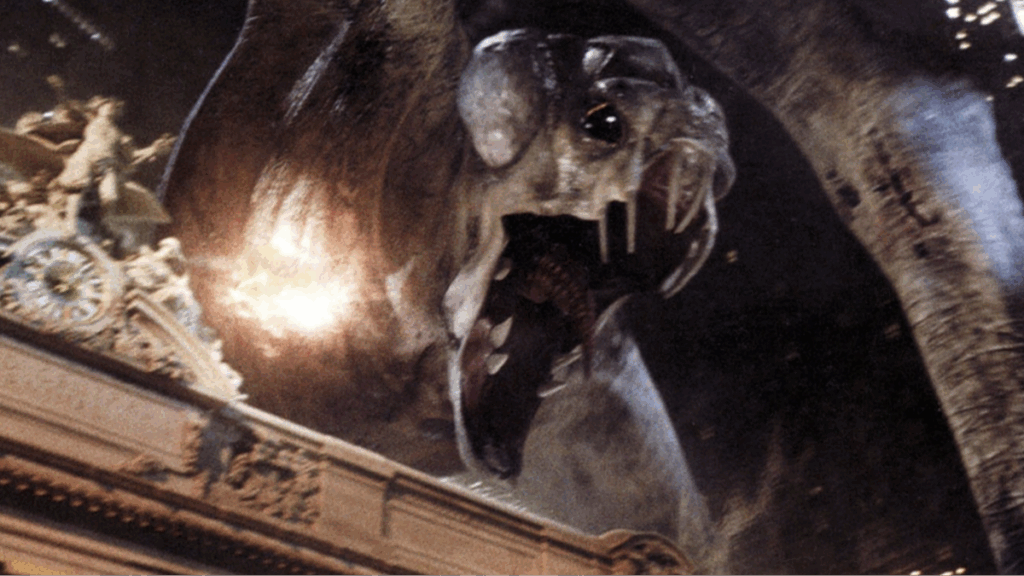
The tremendous monster of Cloverfield rises from the water and immediately compromises the city of New York with ruins. The unknown monster, an extraordinary togetherness creature, is likely the most gigantic cinematic one where the sea-monster and their ocean capturing refer to the extremely long staying in the water.
14. The Kaiju (Pacific Rim)
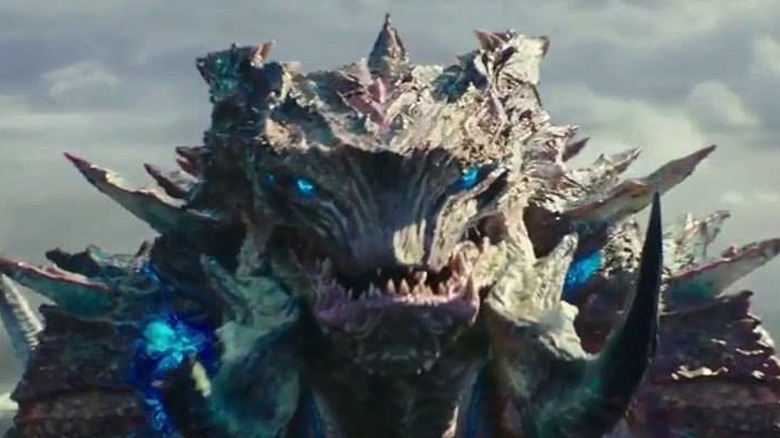
The Kaiju are the central figures in the Pacific Rim saga, portrayed as colossal beasts that penetrate the Earth’s surface through the Pacific Ocean and a giant portal. Their being is a direct reference to the Japanese monster films and, at the same time, their presence in the film creates the most intricate and engrossing blend of sci-fi and horror genres within the scope of one movie.
15. The Monster from The Abyss
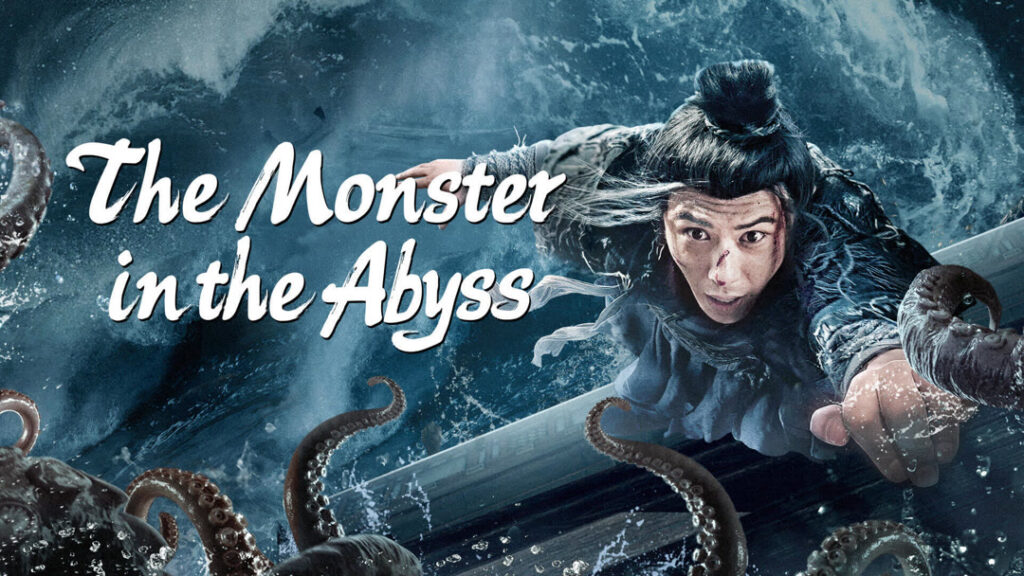
The Abyss was a James Cameron movie during which the idea of water-dwelling aliens living at the ocean floor was actually demonstrated. The aliens’ glowing and shapeshifting powers were both mesmerizing and frightening to the audience at the same time.
16. Cetus
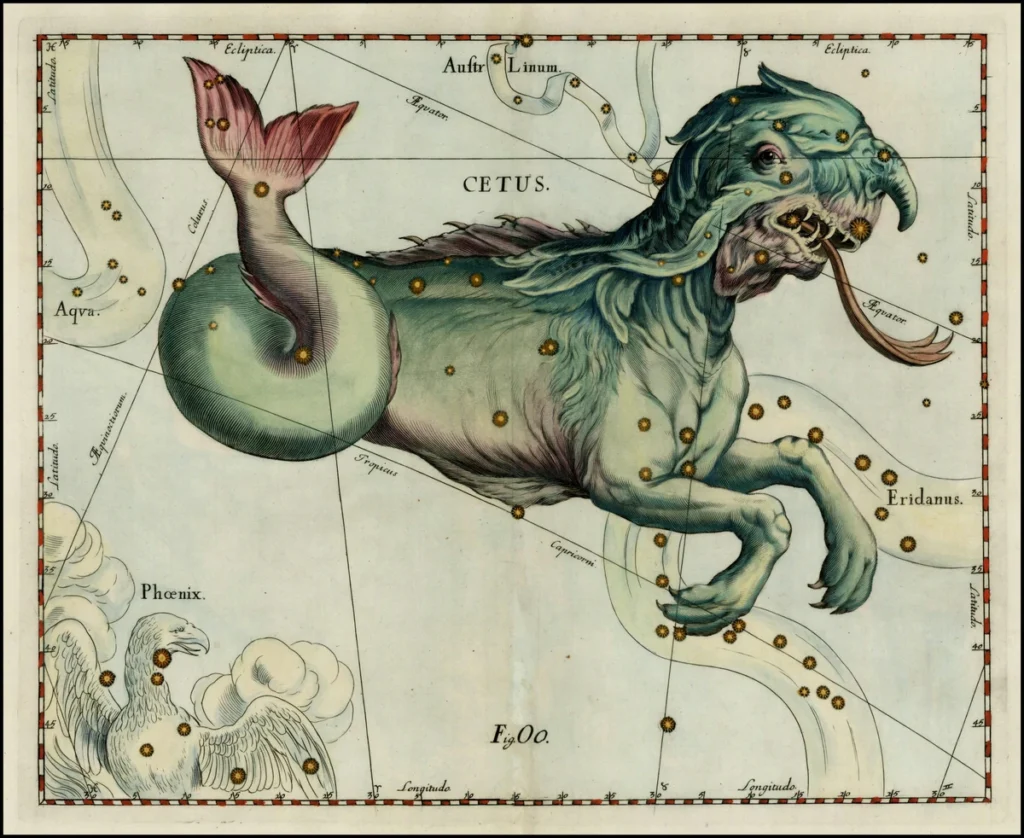
Cetus was the sea monster in Greek mythology whom Poseidon had sent to Andromeda’s palace to devour. It’s pictured as either a gigantic serpent or a great whale, thus it still denotes the god’s rage and man’s apprehension over the ocean to some extent, even in the time of antiquity.
17. Hydra
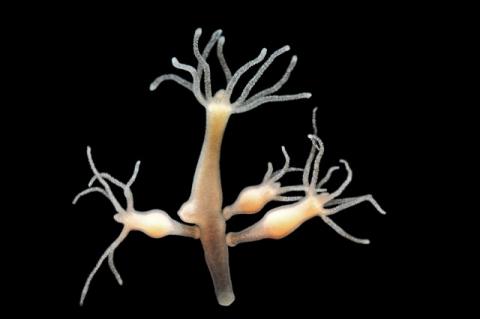
Another Greek beast, the Lernaean Hydra, was a snake-like creature with many heads that would grow two new ones for every head cut off. Depending on the time and place, it was sometimes very scary but the swampy origin and the snake-like form made the creature very much associated with water.
18. Makara
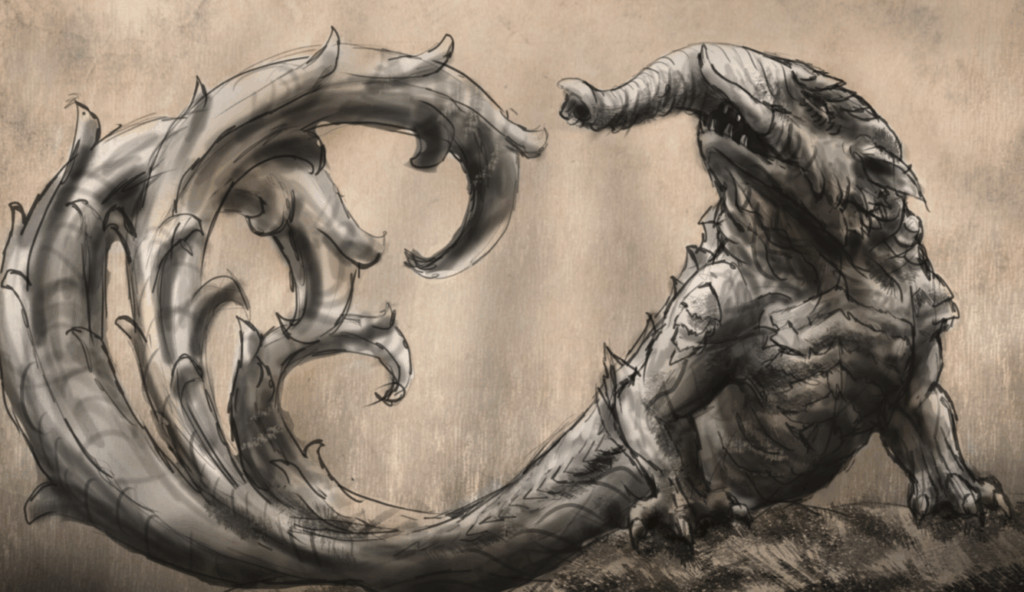
In Hindu mythology, Makara is a creature that is a combination of crocodiles, elephants and fish. The animal is generally regarded as the guardian of the sacred waters and thus, its symbolism is interpreted as being both fierce and protective.
19. Tiamat
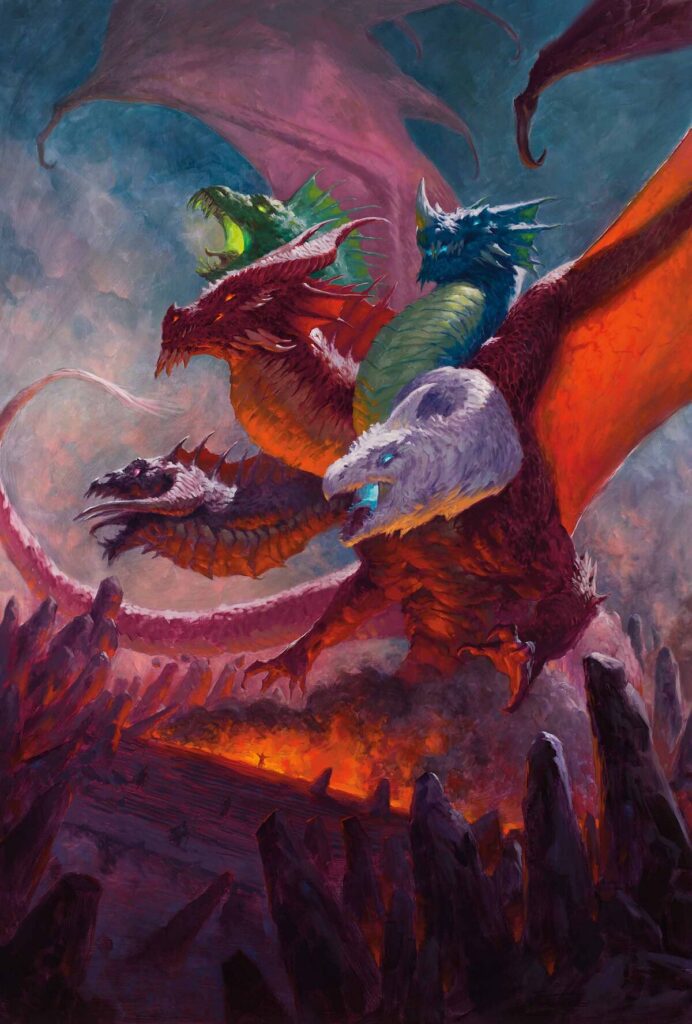
Tiamat in Babylonian mythology is a goddess of the sea who transformed into a dragon as a means to revolt against the gods. The conflict with Marduk represents chaos vs. order thus, Tiamat has become one of the earliest documented sea monsters in the world’s history.
20. The Sea Beast (Netflix)
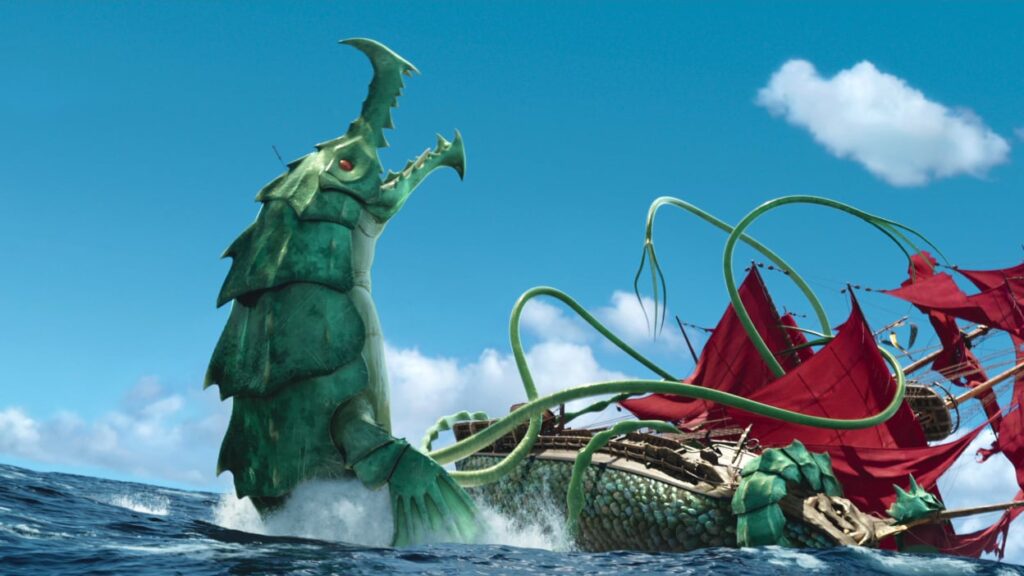
This character from the animated movie The Sea Beast is a dread but also an empathizing monster that symbolizes the misunderstood ones hunted by humans. The monster consists of love and fear which is a mirror of the contemporary ways how ancient ocean myths are retold with the elements of compassion and adventure.
21. The Sea Emperor Leviathan (Subnautica)
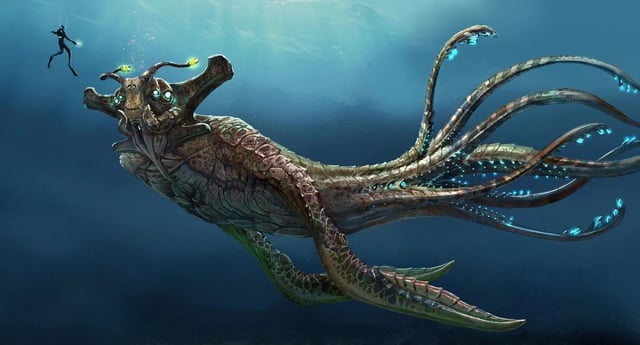
The vast ocean planet’s Emperor Leviathan, one of the creatures in the popular survival game Subnautica, is a gigantic alien being that governs the ocean floors. Although it has frightening size and great strength, it is not a killer but rather a thinker to the player. The fusion of what was once powerful and what is still enigmatic renders it a distinct underwater monster in the video game universe.
22. Rhedosaurus or The Beast (20,000 Fathoms)
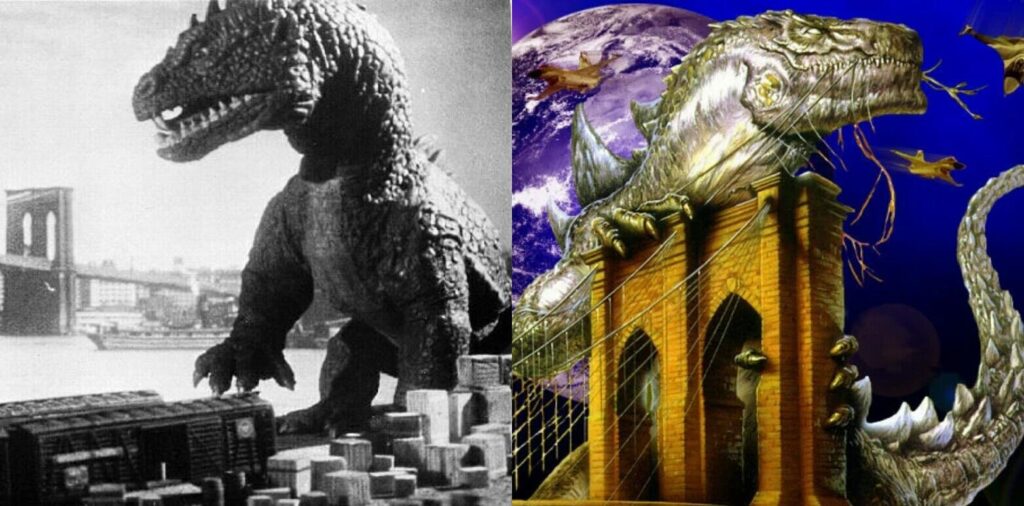
The Jurassic creature was killed by nuclear attacks (The Beast from 20,000 Fathoms), the stampede, and eventually the death of the ocean by a researcher are all monster movies, including Godzilla, that the 1953 film’s storyline gave birth to. The killer dinosaur was one of the first deep-sea monsters that cinema got.
23. Gyarados (Pokémon Series)
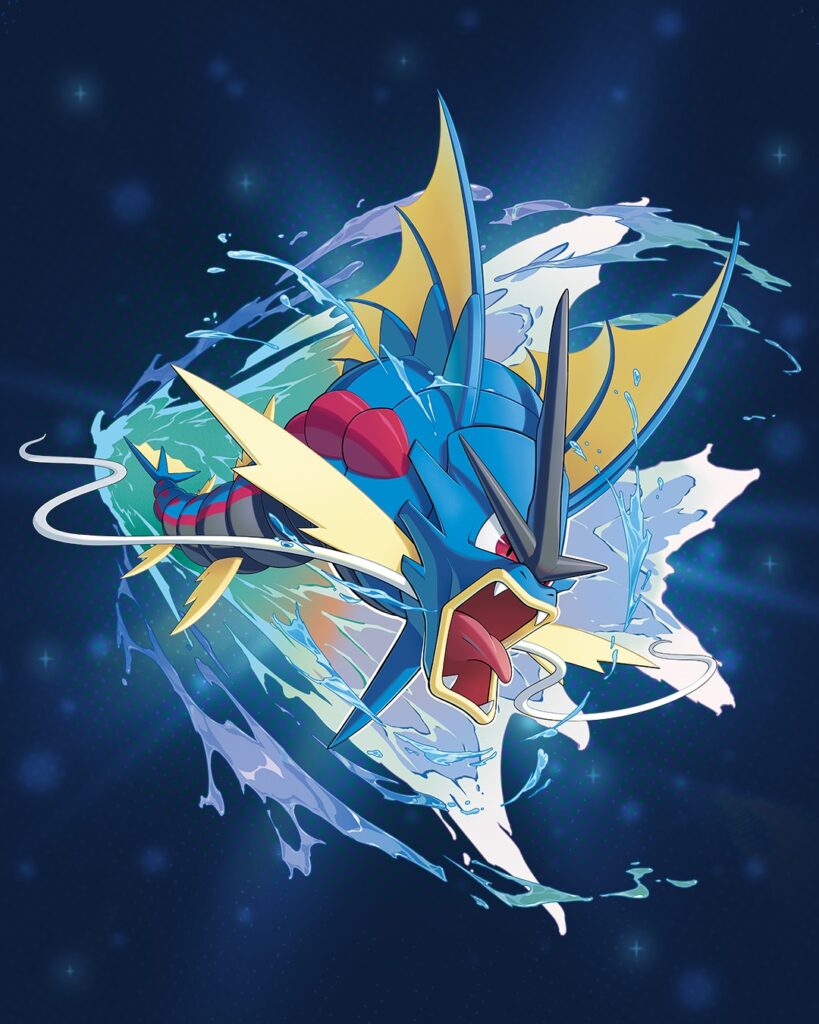
Gyarados is the mythic dragon that this Pokémon is drawn from. It is the sea serpent that is the evolution of the meek Magikarp. The mighty being has a raging uncontrollable nature and such a power that can destroy an entire city; therefore, it represents the volatile change of the sea’s raw violent aspect in pop cultures.
24. The Lake Placid Crocodile (Lake Placid)
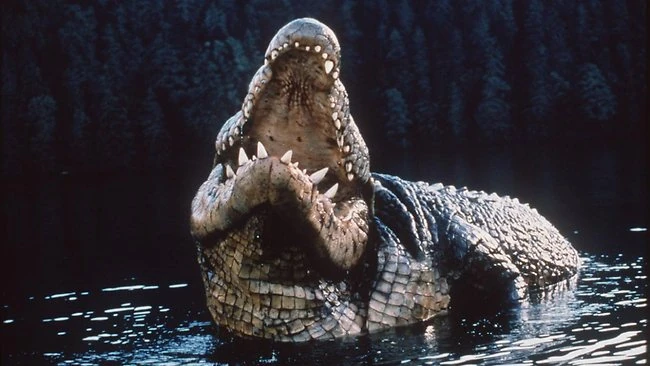
It is indeed a giant crocodile from Lake Placid rather than the creature of Lake Placid legend; a modern monster hiding in a freshwater lake. This movie reptile has become a classic case of man-versus-nature horror due to its huge size, stealth, and humans’ preference for food.
25. Godzilla (Godzilla Franchise)
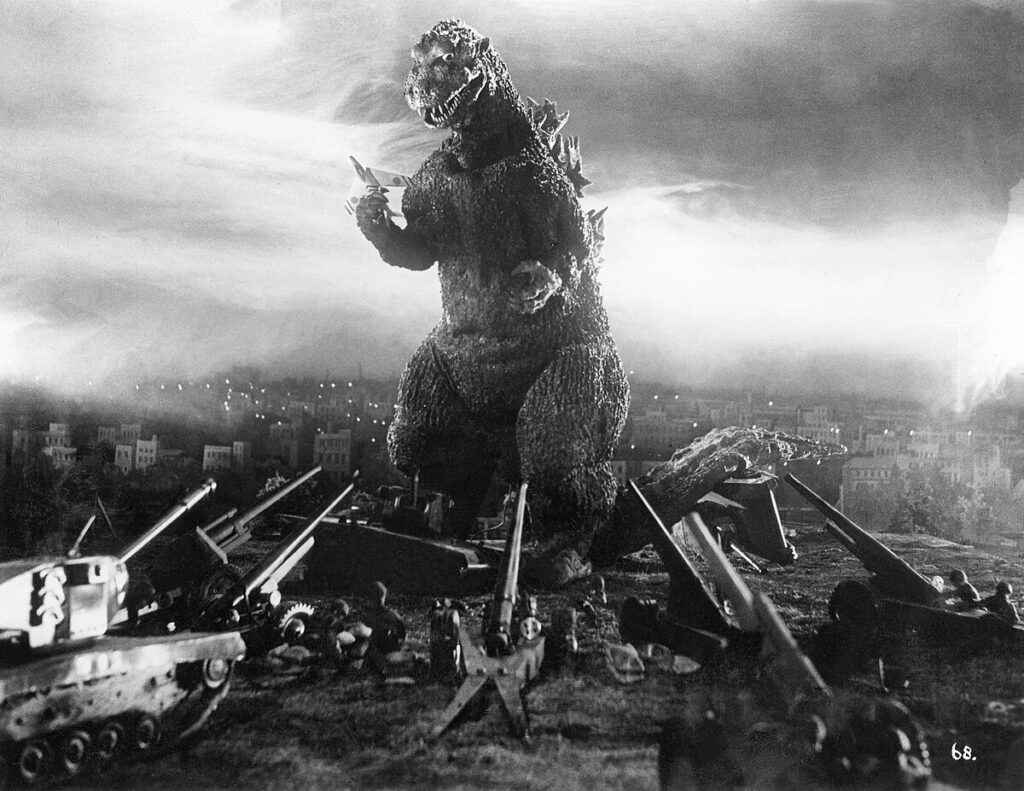
Originally, Godzilla was the deep-sea monster that appeared on land only after nuclear testing. Now, Godzilla is one of the most important characters in the history of monsters. The enormous lizard that goes on a rampage on human lands.
Conclusion
Sea monsters have come a long way from being portrayed in ancient myths and legends to being featured in modern-day high-tech blockbusters as ocean mysteries get clearer. What at first were mythological warnings about nature’s unpredictability now have become the source of pop culture’s fascination with the deep. These living beings, along with others, bring to our attention the undeniable truth that the ocean’s enigmas still capture even our most primitive fears. The mythical tales, film horrors, and these 25 weird-looking sea animals are all proofs that the mystery of the deep sea will always create wonder, curiosity, and a hint of fear when we gaze at the great blue sky with our eyes.