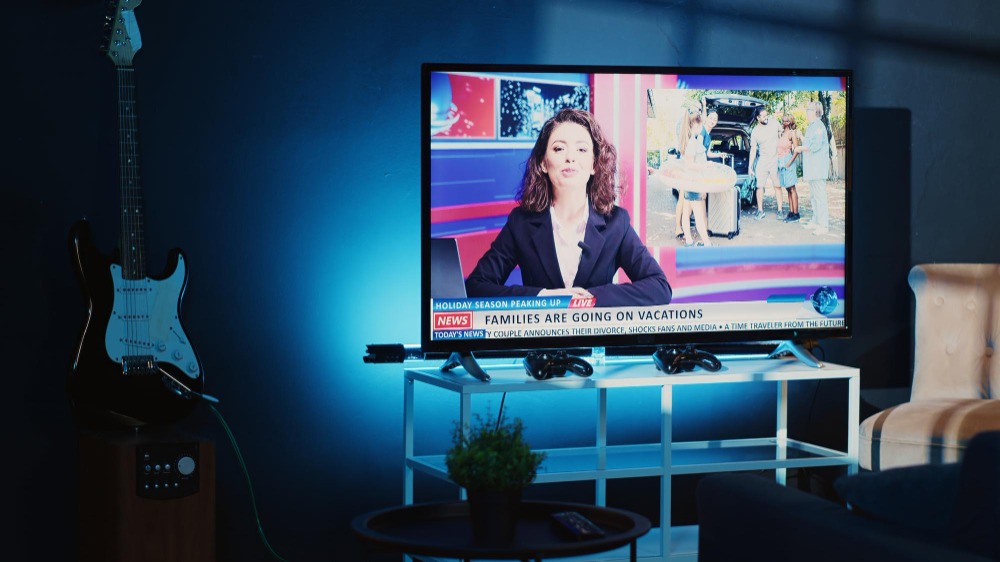
Mounting your TV is a practical way to upgrade your home, offering optimal viewing angles, saving precious space, and adding a modern flair to each room. However, finding the right solution is about more than looks. Smart selection of TV mounts requires awareness of the different types, room layouts, safety measures, and compatibility with your TV and wall structure. Every detail, from mounting height to cable management, contributes to both comfort and safety in your living environment.
Whether you want to create a living room theater, free up nightstand space in the bedroom, or keep counters clear in the kitchen, understanding the specifics of TV mounts can help you achieve the ideal display. This guide walks you through mount types, room-by-room recommendations, safety tips, and installation best practices. Making the right choice ensures your TV not only looks good but is also safe and functional for any space in your home. Furthermore, choosing the right mount will minimize back and neck pain by aligning your screen with your seating position. Each home is unique, so your mounting solution should be as well. To help you get things right the first time, we break down the essential considerations for selecting a mount that fits your needs and keeps your TV secure for years to come.
Understanding TV Mount Types
Choosing a TV mount starts with getting familiar with the major categories. There are three primary types, each designed for different flexibility and placement needs:
- Fixed Mounts: These offer a streamlined look by placing your TV nearly flat against the wall. They are ideal for spaces where viewers sit directly in front of the screen and at eye level, maximizing space and minimizing distractions. However, without tilt or swivel capabilities, precise measuring and positioning are essential.
- Tilting Mounts: These mounts allow vertical adjustment so that you can tilt the TV a few degrees up or down. This feature is helpful in spaces where the TV is mounted high, like above a fireplace, as it lets you angle the display toward seating to reduce glare and improve visibility.
- Full-Motion Mounts: Also known as articulating mounts, these provide the most versatility. You can extend, swivel, and tilt the TV, making it well-suited for open-concept rooms, living rooms with multiple seating zones, or any area where you may need to adjust the viewing angle regularly.
Assessing Room-Specific Needs
Determining which mount works best depends significantly on the room and how the TV will be used there. Here is what to consider for the main rooms:
- Living Room: Full-motion mounts add flexibility for larger gathering spaces. They let you easily adjust the screen for different seating arrangements and minimize glare from daylight or lamps. This is also the ideal solution for multi-purpose rooms or homes with open layouts.
- Bedroom: Bedrooms often benefit from tilting mounts, as TVs are commonly mounted above dressers or at a higher level to allow comfortable viewing while in bed. This adjustability keeps the screen at the best viewing angle.
- Kitchen: Smaller TVs work well in kitchens, and either tilting or full-motion mounts are best. These options let you reposition the screen so you can watch comfortably, whether you are cooking, dining, or cleaning up.
- Home Office: For offices or dens, fixed mounts keep a TV or monitor at the proper ergonomic height, reducing neck strain for those using the screen for extended work or study sessions. In some cases, tilting mounts can help share the screen during video calls or presentations.
Considering TV Size and Weight
Before buying a mount, always check your TV’s specifications. Look for its weight and the VESA (Video Electronics Standards Association) pattern on the back of your TV. The VESA standard specifies the horizontal and vertical distances between mounting holes, ensuring compatibility. Your mount should support both the size and weight of your TV for a secure installation. Most manufacturers provide charts or online calculators to help you match your TV to the correct mount. Never exceed the recommended weight, as this could lead to unsafe installations or wall damage.
Evaluating Wall Material and Stud Placement
Securing your mount is not just about picking the right hardware for your TV. The wall material and the presence of studs are equally important factors:
- Drywall with Wooden Studs: This is the most common scenario. Always use a stud finder to locate studs (typically spaced 16 inches apart) and screw the mount bracket directly into the studs for maximum support. Avoid using wall anchors in drywall alone for TV mounts, as this can cause the drywall to collapse.
- Concrete or Brick Walls: Use special anchors and bolts rated for masonry. Drill carefully and ensure each anchor is fitted tightly for the heaviest sets.
- Plaster Walls: Older homes with plaster walls can be delicate. Whenever possible, locate a stud for mounting. If unsure, consulting a professional is strongly advised for safety.
Installation Tips and Safety Considerations
- Height Placement: Aim to have the center of the TV at eye level from your main seating area. This is crucial in reducing neck and eye strain during longer viewing sessions. For TVs mounted above the typical line of sight, such as over fireplaces, a tilting mount helps create a more comfortable viewing angle.
- Cable Management: Plan your cable runs. Some mounts include built-in cable channels, but you can also use external plastic raceways to conceal wires and keep your setup tidy. This not only improves appearances but also prevents tripping hazards, particularly in busy rooms.
- Professional Installation: If you have a large TV, a heavy mount, or a challenging wall structure, hiring a professional may prevent costly mistakes or potential hazards. Professional installers can also help with optimal placement and safe routing of power and signal cables.
Conclusion
Getting the most out of your TV means more than just upgrading the screen size. Choosing the right mount plays a key role in how functional and attractive your room remains. By understanding available mount types, considering unique room requirements, ensuring TV and wall compatibility, and prioritizing installation safety, you create a safer, more enjoyable environment for everyone. Taking the time to assess these elements will reward you with a better, more flexible viewing experience in every corner of your home.