Your HVAC system plays a major role in home comfort, energy use, and indoor air quality. However, many homeowners make small mistakes without realizing how much they can affect performance over time. Understanding the most common issues and keeping up with proper HVAC maintenance can help prevent unnecessary repairs, higher utility bills, and early system replacement. Knowing how to avoid these HVAC mistakes can also make it easier to spot problems before they turn into expensive breakdowns.
Why HVAC Mistakes Happen
Homeowners often make HVAC mistakes because the system usually works quietly in the background until something goes wrong. If the house still feels reasonably warm in winter or cool in summer, it is easy to assume everything is fine. An HVAC system can appear to be working even when it is slowly becoming less efficient. In reality, the system may be running longer cycles, using more energy, struggling with airflow, or compensating for a hidden installation or maintenance issue.
Many HVAC problems start gradually, such as reduced airflow, short cycling, rising energy use, uneven room temperatures, or extra strain on the equipment. They rarely start as dramatic failures. They usually begin as small changes: one room feels slightly warmer, the system sounds a little louder, the energy bill creeps up, or the unit turns on more often than it used to. These signs are easy to dismiss because they do not always feel connected, but they can slowly increase utility bills, shorten the system’s lifespan, and lead to expensive repairs. By the time the system stops working completely, the original cause may have been developing for months.
Another reason these mistakes happen is that HVAC performance depends on more than the main unit. Ductwork, insulation, thermostat settings, air filters, vents, refrigerant levels, electrical components, drainage, and equipment sizing all affect how well the system runs. A homeowner may change the thermostat or replace a filter and think the system is fully taken care of, while hidden problems continue developing behind the scenes.
The biggest issue is that homeowners often judge HVAC performance by comfort alone. Comfort matters, but it is only one part of the picture. A system can keep a house comfortable while still wasting energy, wearing down components, or creating humidity and airflow problems behind the scenes. These are common HVAC mistakes because they seem harmless at first but can affect the system for a long time.
Common HVAC Installation Mistakes
Some of the most common HVAC installation mistakes include choosing the wrong system size, hiring an unqualified installer, placing equipment in a poor location, failing to inspect or upgrade ductwork, and skipping important setup steps such as airflow balancing, refrigerant charging, and thermostat calibration. Even a high-quality HVAC unit can perform poorly if it is not installed correctly.
The most overlooked HVAC installation mistakes are often the ones homeowners cannot easily see after the job is finished. A new unit may look professionally installed from the outside, but performance depends on details such as load calculations, duct condition, refrigerant charge, airflow setup, electrical connections, drainage, thermostat placement, and equipment matching.
Homeowners should also watch for installations that are based only on square footage. A proper HVAC installation should consider the home’s layout, insulation, windows, ceiling height, sun exposure, duct condition, local climate, and household comfort needs. When these details are ignored, the system may run inefficiently, wear out sooner, or leave certain rooms uncomfortable.
One major mistake is replacing the old system with the same size unit without checking whether that size was correct in the first place. Many older homes have changed over time. Windows may have been replaced, insulation may have been added, rooms may have been renovated, or additions may have changed the heating and cooling load. Copying the old system can repeat old comfort problems.
Another overlooked installation issue is ignoring the ductwork. Homeowners often focus on the HVAC unit itself, but ducts are what deliver the air. Leaky, undersized, poorly insulated, or badly designed ducts can make a new system perform like an old one. A proper installation should look at the entire comfort system, not just the equipment box.
When homeowners compare contractors, it also helps to ask how they prevent HVAC installation mistakes during the setup process. A qualified professional should be able to explain sizing, ductwork, airflow, thermostat placement, and system testing in clear terms.
Wrong System Size: Common HVAC Mistakes
Choosing the wrong HVAC system size is serious because size affects comfort, efficiency, humidity control, energy costs, and equipment life. It also affects how the system behaves every single day. An oversized system may heat or cool the home too quickly, then shut off before completing a full cycle. That does not mean it has properly conditioned the home. It can shut off before air has circulated evenly or before enough moisture has been removed. This can cause uneven temperatures, poor humidity removal, frequent starts and stops, unnecessary wear on the compressor, blower motor, and other parts, and leave the house feeling cool but damp, uneven, or uncomfortable.
An undersized system has the opposite problem. It may run for long periods without reaching the desired temperature, especially during very hot or cold weather. That constant operation increases energy use and places heavy stress on the equipment. Over time, the homeowner may blame the brand, the thermostat, or the weather when the real issue is that the system was never sized correctly for the home.
Proper sizing helps the system run long enough to condition the home evenly without wasting energy or overworking itself. It is not just about square footage. It should account for insulation, windows, ceiling height, orientation, shade, air leakage, ductwork, climate, and how the home is actually used. Two houses with the same square footage can need very different HVAC solutions.
Sizing problems are common HVAC mistakes because they often begin during replacement or installation, long before the homeowner notices comfort issues. A system that is too large or too small may still turn on and off, but it may never operate the way the home actually needs.
Thermostat Issues And Mistakes Homeowners Make With HVAC
Thermostat placement has a major impact on HVAC performance because the thermostat tells the system when to turn on and off. If it is reading the wrong temperature, the system is making decisions based on bad information. A thermostat placed near a sunny window, exterior door, kitchen, fireplace, air vent, hallway draft, heat-producing appliance, or electronics may think the home is warmer or cooler than it really is. As a result, the HVAC system may run too often, shut off too soon, or fail to keep the entire home comfortable.
Incorrect thermostat use can also reduce efficiency and create unnecessary strain. Many homeowners make large temperature changes because they think the system will heat or cool faster. Most systems do not work that way. Setting the thermostat much lower in summer or much higher in winter usually does not speed up comfort; it simply makes the system run longer than needed. Forgetting to adjust settings when the home is empty can also waste energy.
Smart thermostats can help, but they are not automatically efficient. If schedules, setbacks, occupancy settings, or system type are entered incorrectly, a smart thermostat can create comfort issues or energy waste. The thermostat should match the household’s routine, comfort preferences, and the HVAC system’s capabilities.
These are some of the most common mistakes homeowners make with HVAC because the thermostat feels simple, but it controls the entire system. Small thermostat habits can influence comfort, energy use, and how often the equipment has to run.
Costly HVAC Maintenance Mistakes
The most common HVAC maintenance mistakes happen when homeowners treat maintenance as a repair task instead of a prevention task. Many homeowners wait until something sounds wrong, smells wrong, leaks, freezes, or stops working before calling for help. By then, the system may already be under stress. Many homeowners also overlook small signs of trouble, such as weak airflow, rooms that never feel comfortable, water around the unit, frequent cycling, or higher energy bills.
Homeowners also tend to focus on the parts they can see and forget the parts that quietly affect performance. Filters, vents, outdoor coils, condensate drains, blower components, refrigerant levels, electrical parts, and duct conditions all influence how efficiently the system runs. A system does not have to be broken to be wasting energy.
Outdoor maintenance is another area that is often missed. Leaves, grass clippings, dirt, weeds, and debris around the outdoor unit can restrict airflow and make the system work harder. Keeping the area clear, changing filters on schedule, and scheduling regular maintenance can prevent many avoidable problems.
Another common mistake is assuming that newer systems need less attention. New equipment still needs airflow, cleaning, calibration, and inspection. In fact, skipping maintenance on a newer system can be especially costly because small issues may affect warranty coverage, efficiency, and long-term performance.
These HVAC maintenance mistakes can slowly increase operating costs even when the system still seems to work. Avoiding HVAC maintenance mistakes starts with consistent filter changes, clear airflow, seasonal inspections, and attention to early warning signs.
Airflow Problems: Avoid These HVAC Mistakes
Ignoring air filters, vents, and airflow is one of the easiest HVAC mistakes to avoid because these issues are simple to check and can make a big difference. Airflow problems are easy to overlook because they do not always look like mechanical problems. A homeowner may notice dust, weak airflow, hot and cold spots, or longer run times without realizing these can all point back to restricted air movement.
A dirty air filter restricts airflow, forcing the system to work harder to move air through the home. This can reduce comfort, raise energy bills, worsen indoor air quality, and increase wear on important parts. Closed or blocked vents can create pressure problems and reduce comfort in certain rooms. Furniture, rugs, curtains, storage boxes, pet hair, and dust buildup can all interfere with how air moves through the home. These seem like small household details, but they can change how hard the HVAC system has to work.
Good airflow helps the HVAC system operate efficiently and keeps temperatures more consistent from room to room. This is one of the most avoidable HVAC mistakes because homeowners can check it without special tools. Homeowners can prevent many airflow problems by replacing filters regularly, keeping vents open and clear, leaving space around returns, making sure the outdoor unit has clear airflow, and paying attention to rooms that feel unusually hot, cold, or stuffy.
To avoid these HVAC mistakes, homeowners should look at airflow as part of regular home care, not just something to check when the system breaks. Clear vents, clean filters, and open returns give the system the conditions it needs to work properly.
Skipped Inspections And HVAC Maintenance Mistakes
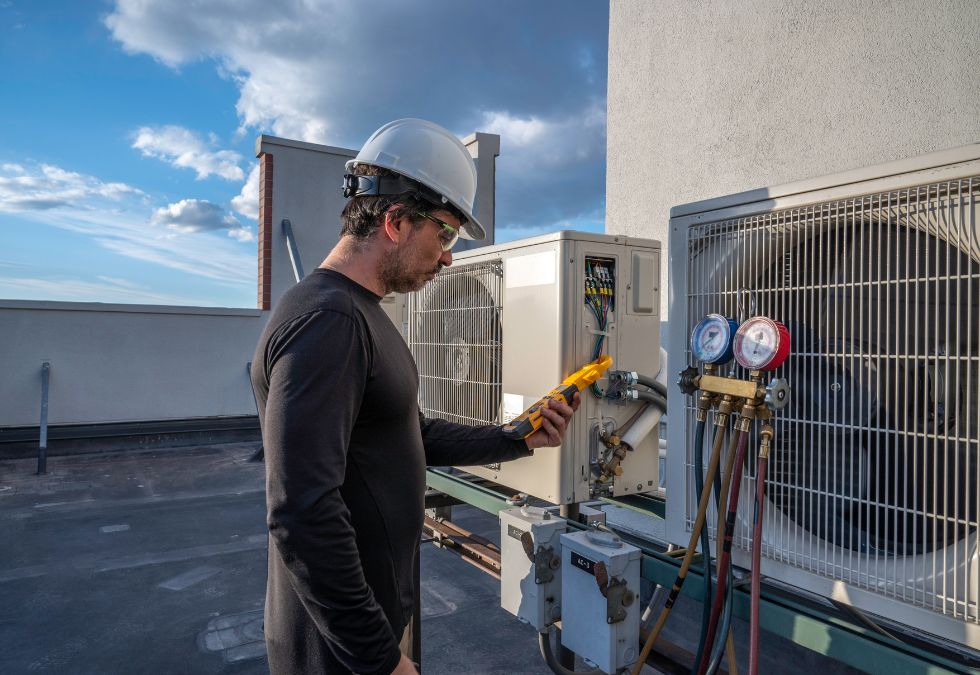
Skipping professional inspections allows small HVAC problems to grow into larger, more expensive ones. Many HVAC problems are invisible until they become expensive. During a routine inspection, a technician can identify issues such as worn electrical components, low refrigerant, dirty coils, clogged drains, loose connections, poor airflow, failing motors, or early signs of system stress. These problems may not be obvious to a homeowner, but they can reduce efficiency and damage other parts if left alone.
Regular inspections also help protect the system’s lifespan. HVAC equipment works hard for much of the year, and even normal use causes wear. Professional maintenance gives the system a chance to be cleaned, tested, adjusted, and repaired before a minor issue turns into an emergency breakdown.
Professional inspections are valuable because they catch performance issues early. A technician can measure, test, clean, and adjust parts of the system that homeowners cannot evaluate by sight or sound. This matters because one small problem can trigger another. Poor airflow can cause freezing. A clogged drain can cause water damage. Electrical wear can lead to startup failure. Dirty coils can increase energy use and shorten equipment life.
Inspections also create a performance history. When a technician sees how the system changes from season to season, it becomes easier to spot developing problems before they become emergency repairs.
For many households, skipping inspections is one of the easiest mistakes homeowners make with HVAC because the system may not show obvious symptoms right away. Regular service helps reveal hidden issues before they affect comfort, safety, or efficiency.
Cheap Repairs And HVAC Mistakes
Homeowners often try to save money by delaying repairs, choosing the cheapest contractor, attempting complex DIY fixes, buying the lowest-priced equipment, or replacing only one part of an aging system without considering the bigger picture. These choices may reduce the upfront cost, but they can lead to repeated repairs, poor efficiency, safety issues, and higher long-term expenses.
The biggest money-saving mistake is focusing only on the immediate price instead of the total cost of ownership. A cheap repair, rushed installation, oversized system, or low-bid contractor can cost more over time if it leads to higher energy bills, repeated service calls, poor comfort, or early replacement.
Another common mistake is focusing only on the price of the HVAC unit instead of the quality of the installation. The best equipment will not perform well if it is installed incorrectly. Homeowners should compare experience, licensing, warranties, reviews, maintenance options, and the level of detail in the contractor’s recommendations before making a decision.
Another mistake is delaying a repair because the system still runs. This often turns a manageable issue into a larger one. For example, weak airflow, unusual noises, short cycling, or water near the unit may seem minor at first. Left alone, those symptoms can put stress on more expensive components.
Homeowners also sometimes replace equipment without asking why the old system failed. If the original issue was poor ductwork, bad airflow, incorrect sizing, or lack of maintenance, the new system may inherit the same problem. A good HVAC decision should solve the cause, not just replace the equipment.
These are common HVAC mistakes because they look like savings in the moment but can create bigger expenses later. Choosing the lowest price without checking the quality of work can leave the homeowner with poor comfort, more repairs, and reduced system life.
How To Avoid These HVAC Mistakes
Homeowners can avoid many HVAC mistakes by treating the system as part of the home’s long-term comfort and energy plan. They should start by paying attention to patterns, not just breakdowns. Rising energy bills, uneven temperatures, weak airflow, frequent cycling, humidity issues, strange sounds, unusual smells, or dust buildup can all be early signs that the system needs attention.
They should also keep simple habits consistent: replace air filters on a regular schedule, keep vents open and unobstructed, clear debris and maintain space around outdoor units, use thermostat schedules thoughtfully, and avoid extreme temperature swings. These steps are not complicated, but they protect the airflow and operating conditions the system depends on.
Homeowners should also schedule professional inspections and maintenance at least once a year, ideally before the peak heating or cooling season. For installations, replacements, and recurring problems, they should work with a qualified HVAC professional who evaluates the entire system. That means checking load requirements, ductwork, airflow, thermostat location, equipment compatibility, and installation quality, then explaining system options clearly and installing the equipment according to manufacturer requirements.
A well-sized, properly installed, regularly maintained HVAC system will usually run more efficiently, last longer, and provide better comfort throughout the home. The best HVAC results usually come from matching the right equipment with the right design, setup, and maintenance plan.
Many mistakes homeowners make with HVAC can be prevented with simple attention, seasonal maintenance, and better installation decisions. The best way to avoid these HVAC mistakes is to act early, ask the right questions, and treat small warning signs as part of the system’s bigger performance picture.