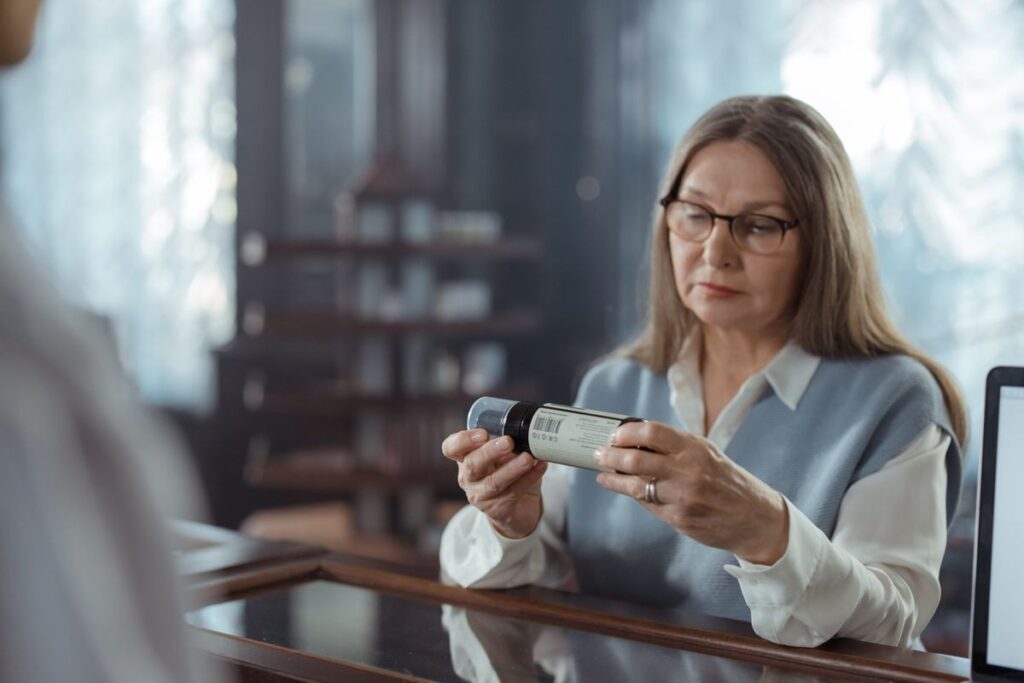
This year a lot of people built new routines at home, and for plenty of them that meant a few more bottles on the kitchen counter. Magnesium before bed. Vitamin D through the darker months. Fish oil because a friend swore by it.
What most of us never did was read those labels closely. That is understandable. Supplement labels are written to be glanced at, not studied. But two minutes with the back panel can tell you a surprising amount about whether a product is giving you what you think you are paying for.
Start with the serving size, not the front of the bottle
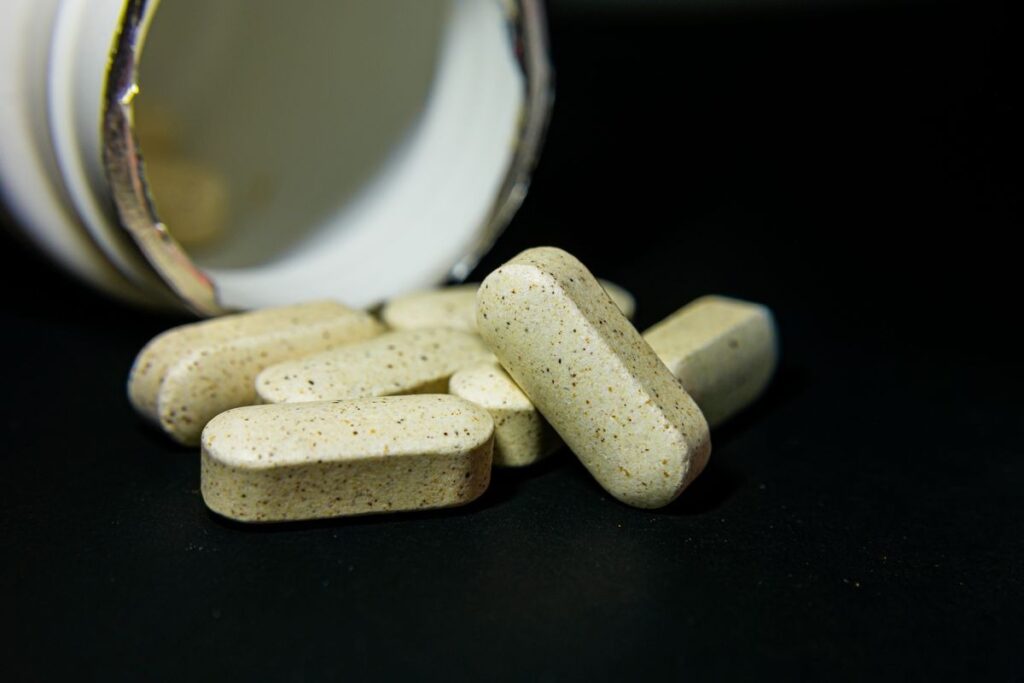
The big number on the front is often not the number you take. A bottle might advertise 400 mg of something, then reveal on the back that you need four capsules to get there. Before comparing two products, find the serving size on the Supplement Facts panel and do the math per capsule. It is the fastest way to spot a bargain that is not one. A cheaper bottle that needs twice as many capsules per serving often costs more by the dose.
Know the difference between the compound and the mineral
This one trips up almost everyone. Minerals like magnesium never come alone. They are bound to something else, such as glycine, citrate or oxide, and that partner molecule adds weight.
So a label can list “magnesium glycinate 1,000 mg” and be perfectly accurate while only a fraction of that weight is actual magnesium. The figure that matters is called elemental magnesium, the amount of the mineral itself. Good labels state it plainly. If a label only gives you the weight of the whole compound, you are left guessing.
Be suspicious of the word “blend”
A proprietary blend lets a company list a group of ingredients under a single total weight without saying how much of each is inside. It is legal, and sometimes it protects a genuine recipe. But it also means a product can name an impressive ingredient while including only a pinch of it.
If you care about what you are taking, favor labels where every ingredient has its own number next to it, in milligrams, micrograms or grams.
Ignore the adjectives
Words like “pure,” “premium,” “clinical strength” and “ultra” are not measurements. Neither are phrases that promise how you will feel. A label that gives you a dose and stops there is often more trustworthy than one that tries to sell you a mood.
It is also worth remembering that supplements are not meant to diagnose, treat or cure anything. A brand that hints otherwise is telling you something about how it operates.
Ask what was tested, and on which batch
“Third party tested” shows up on a lot of bottles now. It is a good start, but it raises more questions than it answers. Tested for what? Did the result match the label? Was it this batch or one from two years ago?
Some brands have started answering those questions directly. DatumBase, a supplement company based in Franklin, Tennessee, prints a four digit lot number on every bottle and files an independent lab report under it. The report lists what the label claims, what the lab measured, and how lead, cadmium, arsenic and mercury compared to their limits. Its whole line of five everyday supplements is built so each label can be checked against a result, with no blends and every amount printed.
You do not have to buy from any particular company to borrow the principle. The best label is one you can verify.
A quick checklist for your next refill
Next time you are about to reorder, flip the bottle and look for five things: a clear serving size, elemental amounts for minerals, a number beside every ingredient, no promises about how you will feel, and a testing claim that tells you what was found. If a product misses most of them, it might be time to shop around.
And before adding anything new to your routine, check in with your doctor about whether it makes sense for you and at what dose. The label can tell you what is in the bottle. It cannot tell you whether you need it.