
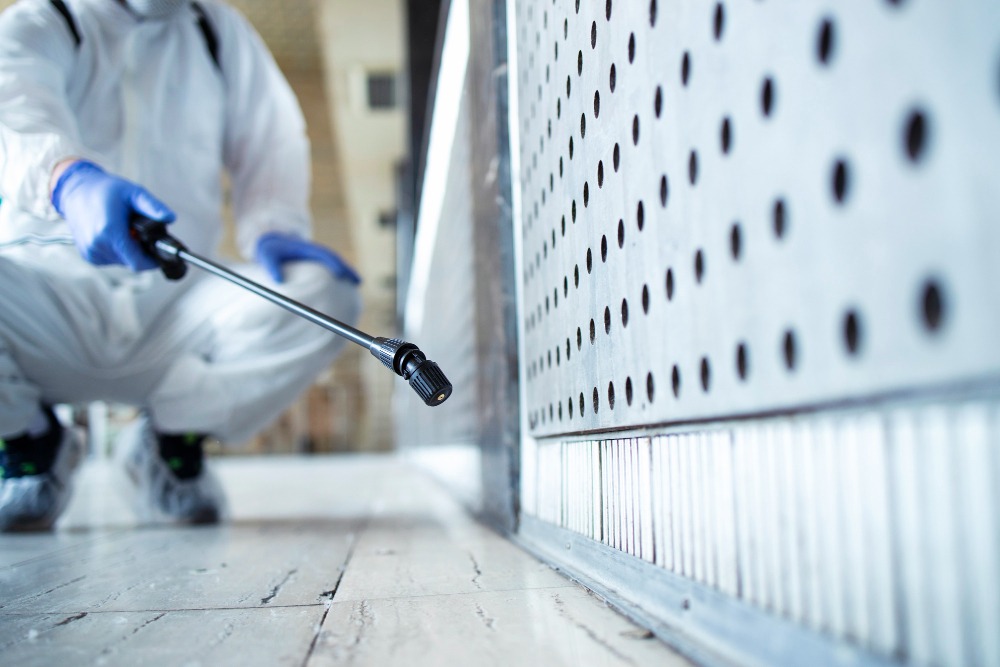
Pests do not need an open front door to find their way inside. Gaps around pipes, deteriorating weatherstripping, damaged screens and openings along the exterior can provide access that homeowners rarely notice during everyday life. Once inside, pests may find food, water and protected spaces that make staying much more attractive than leaving.
Finding those access points is one reason a thorough inspection matters. Instead of focusing only on the ant crossing the kitchen or the mouse spotted in the garage, an inspection looks at the routes pests may be using and the conditions that could be encouraging them to stick around.
Check Where Utilities Enter
Pipes, cables, vents and other utilities often require openings through exterior walls. Even when those penetrations were properly sealed during installation, materials can deteriorate or shift over time. Gaps can also be left behind after repairs or upgrades.
Check around plumbing lines beneath sinks, dryer vents, outdoor faucets, air-conditioning components and cable penetrations. The appropriate method for closing an opening depends on its location, size and purpose, since ventilation and drainage openings should not simply be sealed indiscriminately.
Garages deserve similar attention. The bottom seal on a garage door can wear out, while gaps may develop where the door meets the frame. Because garages often contain cardboard boxes, pet food, trash containers or other potential attractions, easy exterior access can turn them into a convenient first stop.
Doors and Windows Need Attention
Doors and windows are obvious boundaries between indoors and outdoors, but their smaller defects are surprisingly easy to overlook. Torn screens, loose frames and worn weatherstripping can create openings even when everything appears closed.
Routine checks can help protect your home by identifying those weak points before pest activity becomes established. Look for daylight around exterior doors, inspect screens for small tears and make sure weatherstripping still creates a proper seal. Sliding doors deserve attention along their tracks and edges, where debris and worn components can interfere with closure.
Exterior doors should also be checked near the threshold. If a gap is large enough to admit unwanted visitors, replacing a worn sweep can be a relatively simple home-maintenance fix.
Inspections Find the Bigger Picture
Professional pest inspections go beyond searching for a single obvious opening. A technician can look for signs of activity, potential nesting areas, moisture problems and structural features that could make the property more accessible to particular pests.
Whether you’re looking for pest control in Fort Myers, Wilmington or Charlottesville, wherever you live, there are pros available to evaluate the property and determine where attention is needed. Climate and geography affect the pests homeowners encounter, so the vulnerabilities of a Florida property may differ from those of a home in Virginia or North Carolina.
Professional evaluation becomes particularly useful when pests keep returning despite DIY efforts. Repeated activity can indicate that an entry route, nesting site or environmental condition has not been addressed. Treating only the insects or rodents you see may leave the actual source untouched.
Look Up and Down
Homeowners naturally inspect around eye level, but pests can enter from areas far above or below it. Rooflines, soffits, fascia, attic vents and gaps around exterior trim can provide access to upper parts of a house. Damaged components should be repaired with the home’s ventilation and construction requirements in mind.
Lower areas deserve equal attention. Cracks and gaps around the foundation, crawl space openings and basement penetrations can create routes into protected spaces. Moisture in basements and crawl spaces may also make those areas more attractive to certain pests.
Trees and shrubs should be considered as part of the inspection. Branches touching the roof or siding and dense vegetation directly against the structure can make it easier for some pests to reach the building. Appropriate trimming can create useful separation while also making the exterior easier to inspect.
Remove What Attracts Them
Closing entry points works best when homeowners also address the resources pests are seeking. Leaking plumbing, standing water, accessible food and poorly secured garbage can encourage activity even in an otherwise well-maintained house.
Inside, clean food spills promptly and store susceptible pantry items appropriately. Outside, check for drainage problems, keep trash containers properly closed and avoid allowing unnecessary clutter to accumulate beside the foundation.
A pest inspection is ultimately less about finding one dramatic hole and more about identifying a collection of small vulnerabilities. Checking utility penetrations, doors, windows, rooflines and lower structural areas can reveal routes that are easy to miss. Pair those repairs with good sanitation and professional help when needed, and pests have far fewer reasons, and opportunities, to move in.


