
DiGeorge syndrome, also known as 22q11.2 deletion syndrome, is a rare but serious genetic disorder affecting thousands of individuals worldwide. It touches almost every system in the human body, yet most continue to lead full, successful, even high-profile lives. In the past decade or so, an increasing number of celebrities and public figures have spoken out to share their DiGeorge syndrome experiences, de-mystifying the condition, raising awareness, and inspiring millions.
In this article, we’ll explore what DiGeorge syndrome is, its common symptoms and treatments, and most importantly, highlight the stories of famous individuals who have not only lived with this condition but thrived in their respective fields.
What is DiGeorge Syndrome?
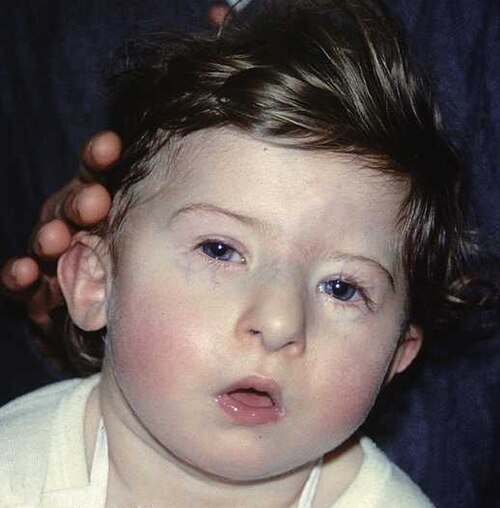
DiGeorge syndrome is a genetic condition due to the deletion of a segment of chromosome 22, the region 22q11.2. The deletion impacts the development of most of the body’s systems, such as the heart, immune system, and face. It’s usually due to a random genetic mutation, but in approximately 10% of instances, it’s inherited from one’s parents.
It is named after the physician Dr. Angelo DiGeorge, who first diagnosed the condition in the 1960s. It is the most prevalent of the microdeletion syndromes. It can be as mild as only presenting slight difficulties or as severe as life-threatening, depending on the organs and systems affected. Proper diagnosis and treatment are key to overcoming the hardships of it.
Also Read About Famous Celebrities Who Have Lichen Sclerosus: Stories & Awareness
Symptoms of DiGeorge Syndrome
DiGeorge syndrome is a multifaceted disorder with enormous variability in symptoms, some of which will not be readily apparent at birth. The nature and severity of the symptoms differ among individuals, but the most prevalent are:
1. Heart Defects
Most people are born with congenital cardiac defects like interrupted aortic arch, ventricular septal defects, or tetralogy of Fallot. They usually need surgery in early infancy.
2. Immune System Issues
As a result of an underdeveloped or missing thymus gland, individuals who have DiGeorge syndrome might have a compromised immune system and be more vulnerable to disease and infections.
3. Abnormal Calcium Levels
Underdeveloped parathyroid glands may lead to hypocalcemia (low calcium) levels, which may lead to muscle spasms, seizures, and other issues.
4. Craniofacial Anomalies
Facial deformities may involve cleft palate, low-set ears, hypoplastic jaw, broad-set eyes, and bulbous nose. These are often variable but usually assist in making the diagnosis.
5. Developmental Delays
Delays in speech and motor function occur in the majority of children with DiGeorge syndrome. Learning disability is frequent and may require educational management.
6. Mental Health Conditions
As the DiGeorge syndrome patient ages, he or she can develop mental illness issues like depression, anxiety, ADHD, and in extremely unusual situations, schizophrenia.
7. Renal and Gastrointestinal Problems
There could be structural kidney or gastrointestinal defects that could need regular check-ups or medical care.
Also Read: f1nn5ter Leaks: Age, Bio, Facts, Controversy & More
Treatment and Management
There is no treatment for DiGeorge syndrome, but nearly all its manifestations are well treated by a complete medical regimen. Treatment typically consists of:
1. Cardiac Care
Early diagnosis of cardiac malformations makes early operation possible, with radically improved results. Cardiologists play a vital role in long-term care.
2. Calcium and Hormone Management
Supplementation with calcium and meticulous management of blood levels avoid complications due to hypocalcemia.
3. Immunology Support
In immune deficiency, ongoing health surveillance, immunizations, and thymus transplantation in certain cases form the treatment regimen.
4. Speech and Occupational Therapy
Speech therapists treat children with cleft palate or speech delay, and occupational therapists deal with motor coordination and daily living activities.
5. Mental Health Services
Counseling and medication are generally advised to treat anxiety, mood disorders, or behavioral issues. Early intervention makes a big difference.
6. Educational Support
Individualized education plans (IEPs) enable children to get the academic support they require in order to succeed in school settings.
7. Multidisciplinary Care
Patients normally collaborate with a team of professionals, such as cardiologists, neurologists, immunologists, speech therapists, and psychologists, in order to address the entire gamut of symptoms.
With proper support, numerous patients of DiGeorge syndrome are able to lead independent, successful, and even celebrity lifestyles within entertainment, arts, and media circles, for example.
6 Celebrities with DiGeorge Syndrome
Although DiGeorge syndrome is not very common and usually misunderstood, a few public figures have been diagnosed with it or openly discussed living with it. Their tales serve as great reminders that health issues do not dictate one’s potential.
Also Read: Top 10 BBW OnlyFans Pages to Follow for Curvy Content
Quinn Bradlee
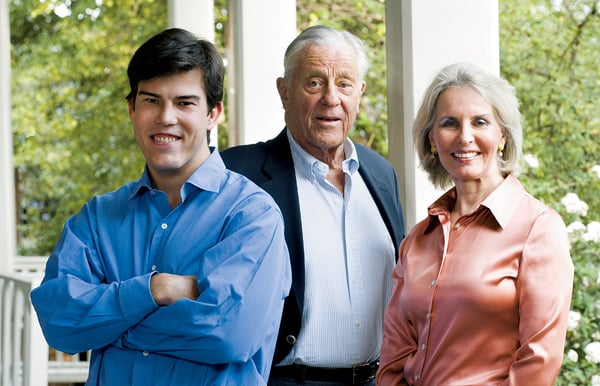
Quinn Bradlee, son of legendary journalist and writer Sally Quinn and Ben Bradlee, was diagnosed with DiGeorge syndrome during the 1990s. Rather than hiding his diagnosis a secret, Quinn seized the chance to become an advocate for people suffering from learning disabilities and genetic disorders.
He also directed the documentary Life with VCFS, authored the memoir A Different Life, and established a vehicle to provide support and unite individuals with learning differences. Quinn’s honesty and bravery have also informed people about DiGeorge syndrome and brought hope to numerous families that have the same issue.
Isaac C. Singleton Jr.
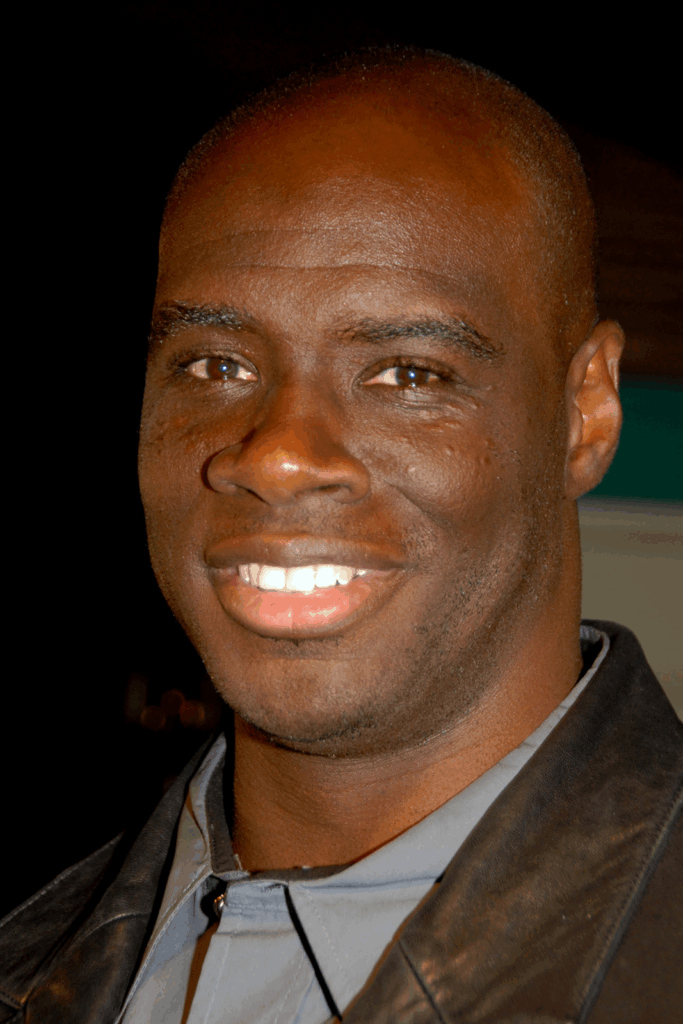
Isaac C. Singleton Jr., who is an actor from movies such as Guardians of the Galaxy and Pirates of the Caribbean, also suffers from DiGeorge syndrome. He struggled with early growth and ill health, but continued and began a successful career as an actor and voice actor in Hollywood.
His experience in high-profile productions demonstrates that those with DiGeorge syndrome can make it big in the mainstream, particularly when they are provided with the support they require and pursue their interests tenaciously.
Sara Niemietz

Singer, songwriter, and Broadway actress Sara Niemietz has also spoken publicly about having DiGeorge syndrome. Through her musical theater performances and work with Postmodern Jukebox, Sara has used her voice to share her experiences overcoming health and developmental challenges.
Her talent and voice shine through in her music, and her honest argument in defense of her condition makes fans stand up and take notice worldwide. She demonstrates that DiGeorge syndrome has no place to quell inspiration or ambition.
Also Read: Top 10 Indian OnlyFans Stars to Follow in 2025 for Hot Desi Content
Mark Henwick

Mark Henwick is a New Zealand actor and playwright who has acted in theatre and television. DiGeorge syndrome, which he has, hasn’t deterred him from having a successful career in the world of art, and his success inspires others with stories. What he has been through makes it not only normal for people with unusual conditions to be seen on TV but also emphasizes the need for inclusivity.
Jaycee Chan
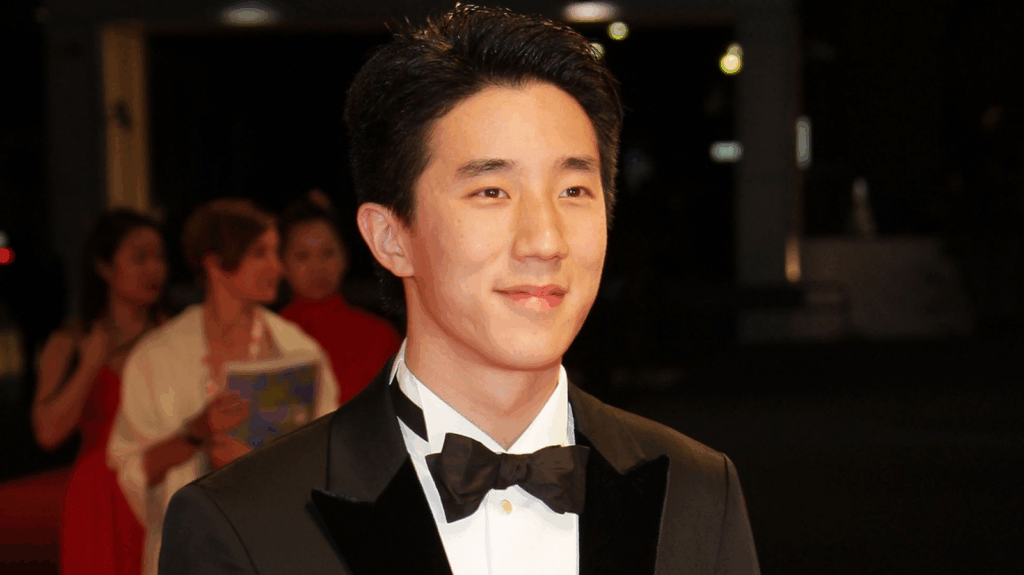
Jaycee Chan, son of the acting legend Jackie Chan, has reportedly been experiencing health issues typical of DiGeorge syndrome. Although he has not had as much of the limelight as his celebrity father, Jaycee Chan is an artist and actor in Asia and has employed his artistic lineage to establish himself as an entity.
His tale illustrates that health issues are possible even for famous families and that fortitude is a part of every story.
Cameron Deacon
Cameron Deacon, son of Queen bassist John Deacon, was born with DiGeorge syndrome and has inspired families across the music business. Though not a public figure in and of himself, his existence has proven that even those born with severe health problems can lead meaningful, happy, and fulfilling lives with the proper care and family support.
Conclusion
DiGeorge syndrome presents lifelong challenges, but also windows of opportunity for resiliency, creative problem-solving, and inner strength. Due to greater awareness and advances in medicine, those born with the genetic disorder are accomplishing things previously unimaginable.
With expanding awareness comes expanding hope for a more humane, more tolerant world, a world where every human being is cherished not for flaws, but for themselves.