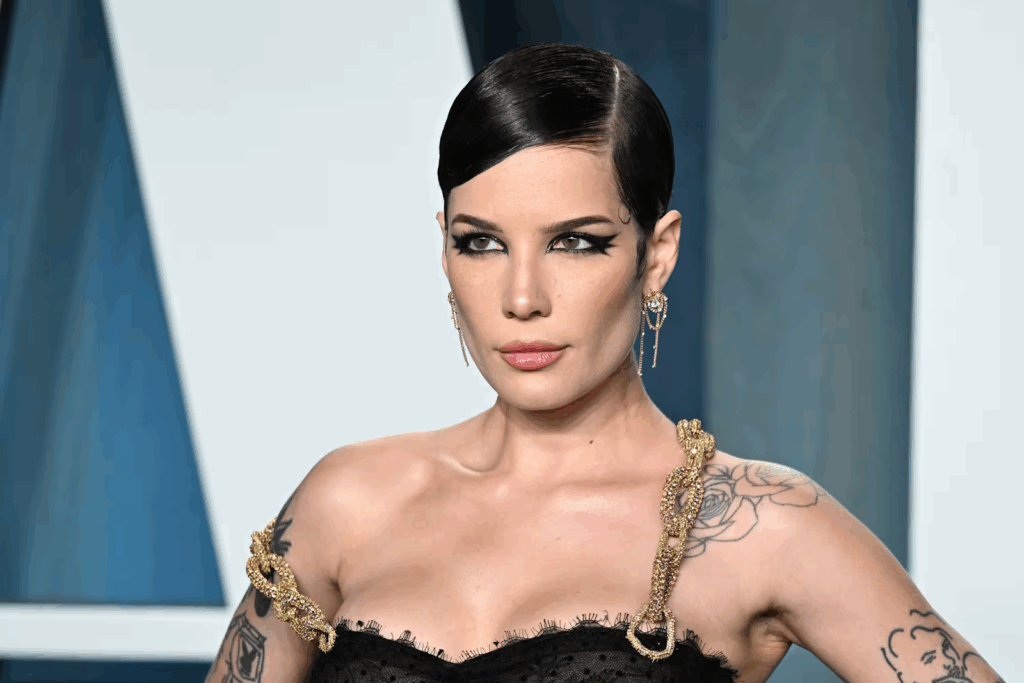
Most people don’t associate fame with fragility. Celebrities are expected to be constantly visible, energetic, and “on” — whether that’s on stage, on screen, or online. It’s the things we don’t get to see very often:
That’s the type of stuff that happens when you are in a world that’s designed not to accommodate people like me. It’s the canceled plans, the chronic pain, the joint injuries
“But for those of you who are affected by Ehlers Danlos Syndrome,” she continued, “this is your reality every day.” Ehlers Danlos Syndrome is a genetic disorder of connective tissue that affects collagen. This can mean that joints and skin are affected, but in many cases, organs inside the body can be affected too because of the effect of collagen on them.
In recent years, a number of known voices have emerged, bringing attention to this particular condition. These celebrities who suffer from Ehlers Danlos Syndrome share their experiences because they can, not for sympathy but for awareness, honesty, or maybe even survival.
What Living With EDS Really Looks Like
Ehlers-Danlos syndrome isn’t always obvious. Some people are extremely flexible as children and praised for it — only to develop chronic pain, joint instability, and fatigue later in life. Others deal with frequent injuries, dislocations, digestive issues, migraines, or heart-related complications.
What makes EDS especially difficult is that it’s often invisible. On good days, someone might look “fine.” On bad days, even basic movement can be overwhelming. It is this that often makes the condition of EDS so misunderstood, dismissed, or accused of exaggerating their pain by many.
It’s there that public figures speaking out have done some good.
Celebrities Who Have Spoken About Ehlers-Danlos Syndrome
Jameela Jamil

Jameela Jamil did not just happen to talk about EDS ; she spoke about it with conviction. She dealt with injuries and fainting spells and then went on to suffer from constant pain and only got answers after several years of suffering. She has revealed how doctors initially ignored her symptoms. Something which is all too familiar with EDS sufferers.
What is so unique about her voice is that she confronts this doubt about invisible illness in such a calm manner when she questions this idea that you have to look ill in order to be ill in truth.
In many cases, for those who suffer from EDS, she has sent out a clear message to not continue to trivialize their own pain by speaking out so freely about their condition.
Just as some celebrities have shared their experiences with Ehlers-Danlos Syndrome, others have opened up about living with autoimmune conditions like Celebrities With Lupus.
Sia
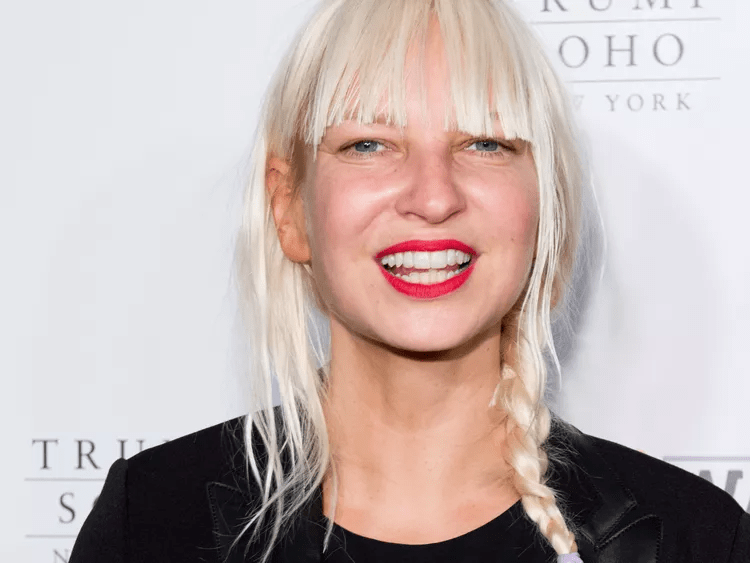
Sia announced she suffers from Ehlers-Danlos Syndrome (ELS) after working hard for years to battle the pain from it. When her career was at its peak, Sia was writing, producing, and performing at a fast pace for months with pain that most people didn’t see. She shared her experience in an emotional post to emphasize that just because you push through the pain does not necessarily mean you are strong; it could harm you instead. For many of her fans, particularly those in the creative industry, her story serves as a reminder that resting isn’t failing and listening to your body is not weakness.
Halsey
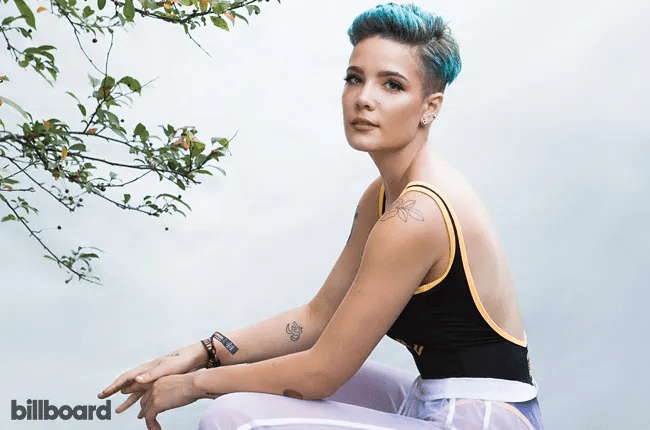
Halsey has also been refreshingly open regarding health struggles, freely citing Ehlers-Danlos syndrome, endometriosis, and autoimmune complications. Rather than shredding canceled tours or hospital stays, they’ve spoken to the public about them, sometimes with brutal honesty. What lands most is their way of grieving: grieving the body they believed they had and grieving a version of life altered by chronic illness. For many young people facing EDS, Halsey’s candor helps make room for the idea that illness and ambition can share the same life, even when the texture is messy.
While exploring the personal challenges of celebrities with Ehlers-Danlos Syndrome, some have also gained unexpected attention online, similar to the buzz around content like 10 Viral OnlyFans “Leaks” in 2025.
Lena Dunham
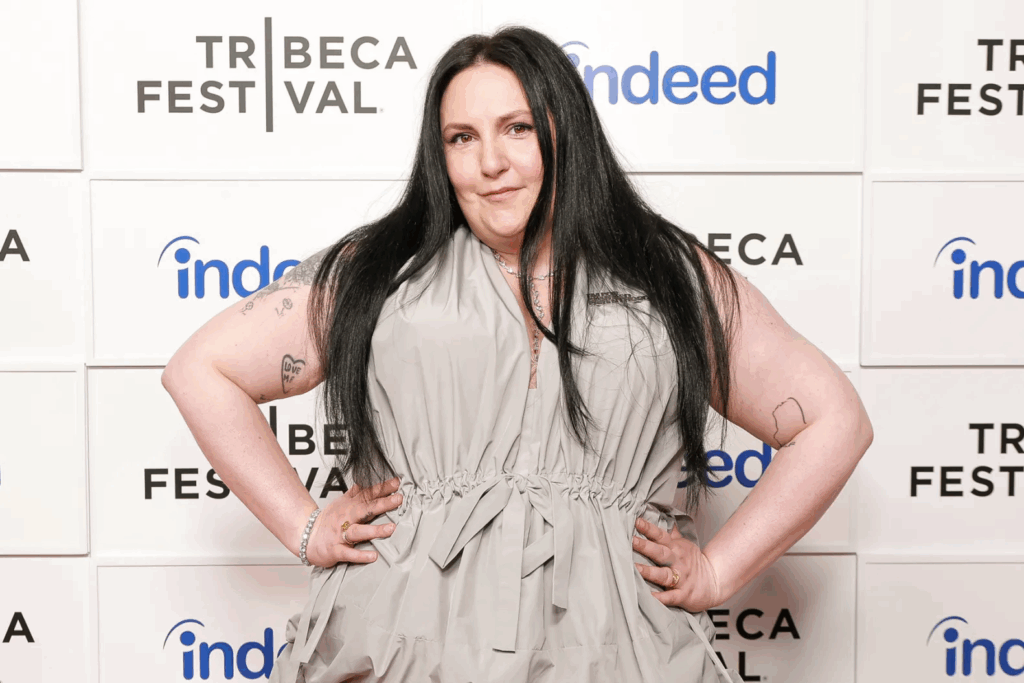
Lena Dunham writes candidly about her own experiences with chronic illness and pain and with Ehlers Danlos Syndrome. Her perspectives do not have polish or sugarcoating; it’s just that lack of polish that makes them seem authentic. She writes of experiences with burnout and surgeries and of her emotional struggles with having a body that doesn’t always conform. In these pieces, rather than seeing illness as something that can be overcome, she shows it to be something that must be lived with—comfortably or uncomfortably, just or unjust.
Yvie Oddly
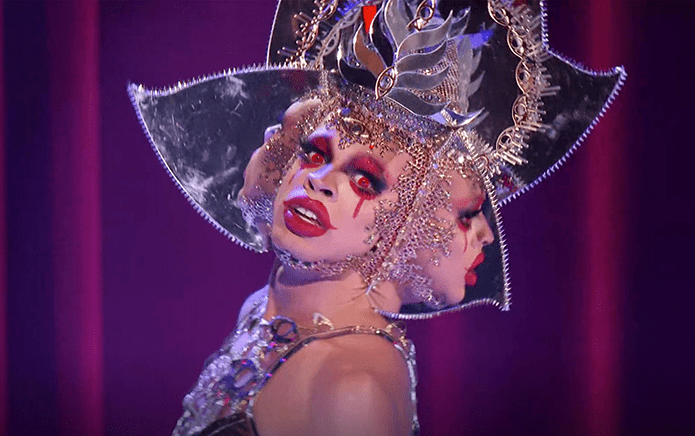
Yvie Oddly experiences the complications that come with hypermobile Ehlers-Danlos syndrome and is doing their job in what is arguably the most challenging form of art that exists. They speak openly about the instability and pain that go with this career and the potential complications that come with being active. Unlike most people with this diagnosis who might try to hide their issue with their disability, Yvie weaves their diagnosis into their narrative.
Why These Stories Matter
Many individuals have their first encounter with the reality of Ehlers-Danlos syndrome through celebrities who suffer from it. While representation cannot cure a disease, it serves an equally significant purpose by validating one’s experiences.
When a celebrity discusses delayed diagnoses, medical gaslighting, or invisible pain, this can help others identify their own symptoms. Furthermore, this can encourage conversations in healthcare, the workplace, and within families about EDS, in situations where there is still a lack of understanding about the disorder.
Some celebrities with Ehlers-Danlos Syndrome have also gained attention for their creative work online, similar to how audiences follow best and emerging OnlyFans models for unique content.
Life With EDS Is Not Linear
One strand of unpredictability runs through these narratives: days of good health, days of poor health; moments of progress, followed abruptly by speed bumps on the way. Success does not protect one from illness, nor does illness mute natural ability. Celebrity can provide access, but pain does not disappear with it. These celebrities continue to grapple with restrictions, judgment, and the weight of emotions associated with being in bodies not always compliant.
Closing Thoughts
When discussing celebrities with EDS, it is in no way a discussion of admiration or worship; rather, it has to do with visibility – that type which makes you rummage through Google at 2 a.m., feeling a little less alone in the process.
EDS is a complex, mysterious, and largely misunderstood condition. Every single account is a chip away at that misconception. Sometimes, it is enough to have someone else who knows what it is to walk in the same foggy uncertainty.