Fragile X Syndrome is the most common inherited cause of intellectual and developmental delay, and it has major implications for the learning, social behaviour and quality of life of the individual with the syndrome. While from a population perspective it is considered rare, the implications for individuals, family members and caregivers to support the individual can be considerable.
It is a spectrum disorder, and the experiences of Fragile X range from mild learning issues to significant cognitive and behavioural concerns for the individual. Fragile X Syndrome is unlike other genetic conditions where you have well-known descriptions of well-documented public personalities.
In the Fragile X community, there are many fewer individuals who are high-profile public figures that declare themselves with a diagnosis on a global scale. The families, individuals, and advocates that have emerged can have potential impact on changing perspectives and may have the power to support the Fragile X community throughout the world, but we need to make sure we are thoughtful about how we document the Fragile X community at these intersections.
The article will identify some of the more recognisable individuals associated with Fragile X Syndrome and the awareness initiatives undertaken so they can have an effect on changing collective thinking.
What Is Fragile X Syndrome?
Fragile X Syndrome is a genetic condition that occurs due to the mutation of the FMR1 gene which is located on the X chromosome. The mutation inhibits the production of a protein necessary for normal brain development called Fragile X Mental Retardation Protein (FMRP). Without FMRP protein the absence of the regular quantity of FMRP protein could result in:
- – Intellectual disability
- – Delayed development
- – Behavioural difficulties which include anxiety, hyperactivity and at times some autistic features
- – Physical characteristics including long face, large ears, and hyper flexible joints (not everyone with Fragile X will have these features)
Males have a significantly greater incidence of FXS than females. The incidence rates are different primarily because males have one X chromosome while females have two X chromosomes. Males and females can both be carriers and they may both have symptoms.
Adults with symptoms will usually present with developmental delay in infancy (<12 months) or early childhood. Children can also be diagnosed with FXS, but this happens at different ages as they will usually be diagnosed when developmental delay is observable.
Currently, there is no treatment for FXS and everyone may require some level of intervention and support or a number of different therapies to bring an opportunity for a better outcome for most.
Also Read: Richest Musician in the World: Who Tops the 2025 List? [Ranked By Income]
Famous Individuals with Fragile X Syndrome You Should Know
Fragile X syndrome may not have the same notoriety and well-known associations like Autism and Down syndrome but there are a few people who have emerged with notoriety within the Fragile X community because they were an advocate, or executed some type of visibility or talent. Here are some notable individuals and stories:
1. Families in the “Xtraordinary” Campaign
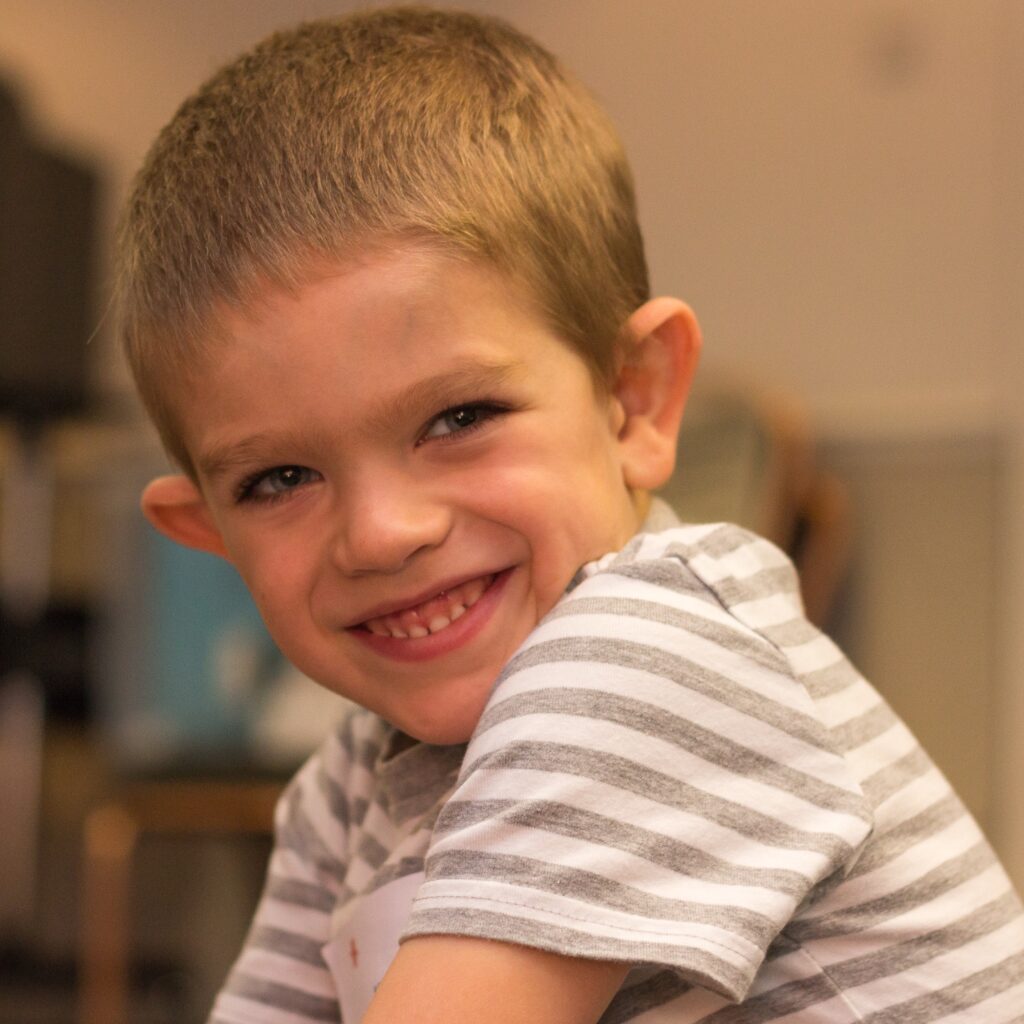
Several families in the Xtraordinary awareness campaign have contributed to Frail X awareness on the national landscape. These families share their stories, struggles and successes, which encourage other families and help to form a community of support. The children and siblings with Fragile X show an array of distinct strengths – from music to public speaking – all while navigating the complexities of Fragile X syndrome.
These stories help to normalize the experience of Fragile X, especially for families who have just received a diagnosis and may be feeling alone. The collective voice of these families creates that momentum in advocacy and fundraising support for research and therapeutic programs.
2. Andy Tranfaglia
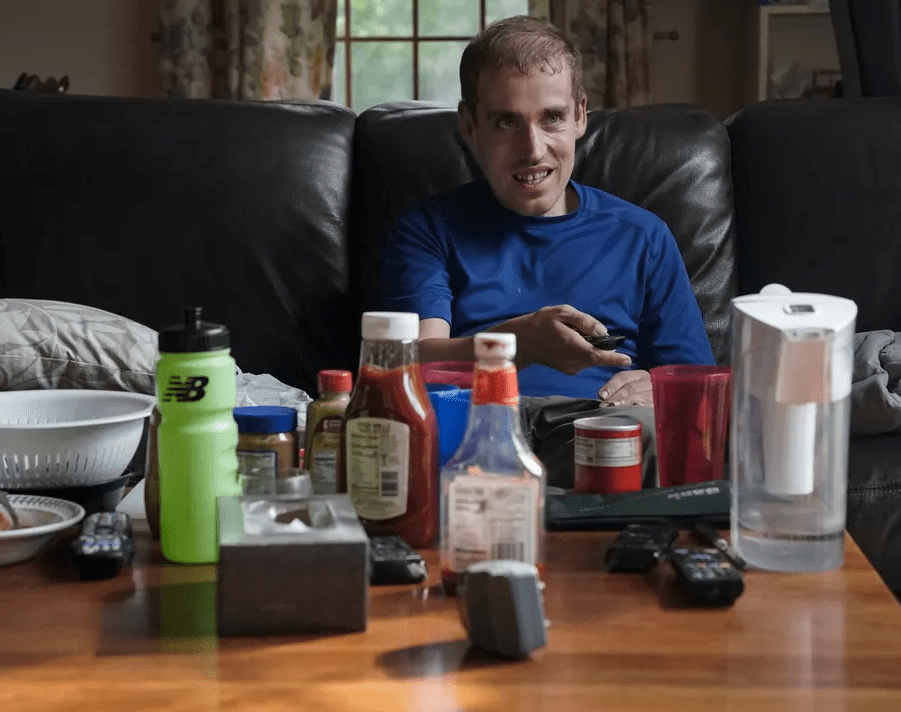
Andy Tranfaglia had been diagnosed with Fragile X Syndrome, and the evidence that suggested he had made real progress during an experimental drug trial was extraordinary. He was more social, more verbal, and apparently much happier; it was an important moment for the family and the researchers. For many reasons, Andy had challenges with Fragile X, such as autism and intellectual disability. In 1994, his parents Michael Tranfaglia and Katie Clapp, founded the FRAXA Research Foundation because of his condition. As the foundation evolved, they financially supported Dr. Mark Bear’s research at MIT. Dr. Bear and his collaborators discovered that Fragile X involves the mGluR5 brain pathway.
The family then successfully made the case to large pharmaceutical companies, including Novartis and Roche, to begin clinical trials of drugs targeting this pathway. The drugs did not succeed in delivering longer term progress, but Andy’s temporary success provided real hope. The family’s advocacy work continues and demonstrates the persistence, vision, and dedication required to drive scientific progress forward.
Also Read: Top 11 Fitness Models to Watch in 2025: Inspiring & Influential
3. Varun Naren

Varun Naren, at 22 years old, has Fragile X Syndrome, and is dismantling stereotypes in India, by demonstrating what individuals with neuro-developmental disorders can accomplish when they have right support. Varun was diagnosed with autism initially as a child, and then diagnosed with Fragile X by a geneticist in 2019. In India, Fragile X is not widely diagnosed, resulting in more children remaining undiagnosed than children diagnosed.
Varun’s mom, Veena Naren, also a strong advocate of individuals with disabilities, started India’s first clinic with the goal of finding a diagnosis for his son and helping other families. Veena is a strong advocate of equitable parenting roles and expectations in the caregiving of children with special needs, which challenges gender stereotypes while specializing into the caregiving role.
Varun started two businesses with encouragement from his parents:
- “Varun’s Delight” – focused on baking.
- “Varun’s Creation” – dedicated to doodle art.
Varun cares deeply about awareness about Fragile X, and to normalize neurodiversity, he runs workshops in large companies to help them understand the contributions of the individual with Fragile X can meaningfully provide to society. Varun’s story emphasizes the significance of focusing on the strengths of individuals rather than their limitations.
4. James Wackerman

James Wackerman lives with Fragile X Syndrome and was recently exposed to a larger intended audience through his sister Sophia James’s advocacy, a Top 10 American Idol contestant. James was diagnosed with Fragile X Syndrome when he was four years old. Sophia is using her public platform to not only raise awareness and promote Fragile X, but also focus on the joy and temperament of their sibling relationship, as they grow closer through their emotional bond and shared interests (like music); and she tries to highlight some of James’ determinable characteristics – while growing in her ability to let people in on the struggles she faces as a Fragile X sibling. In her advocacy efforts she is promoting honest dialogue around Fragile X to inspire empathy and awareness for families managing life under a disability developed from genetics.
Also Read: 10 Short Male Models Breaking Barriers in Fashion
5. Sam Blackwood
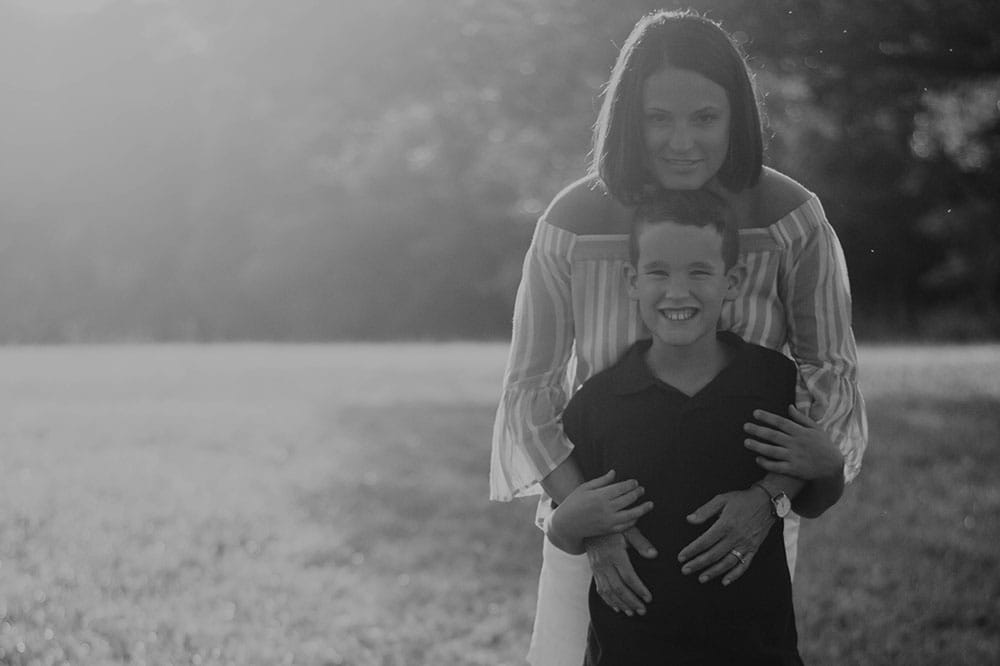
Once diagnosed with Fragile X syndrome and treated for it, Blackwood has gone on to become a vocal proponent of awareness. The family is sending out the message that with early intervention, proper therapy, and good advocacy skills, an individual with Fragile X may make it anywhere in this big bad world. The awareness campaigns run by Sam now relay the struggles and opportunities presented by this condition.
Sam intends to bring up the conversation about Fragile X to normalcy, tear down the shame associated with it, and give families and caretakers a reason to celebrate the clean talents of those who are diagnosed with the syndrome by opening up about his own experiences.
6. Harry and Tommy Colgrave
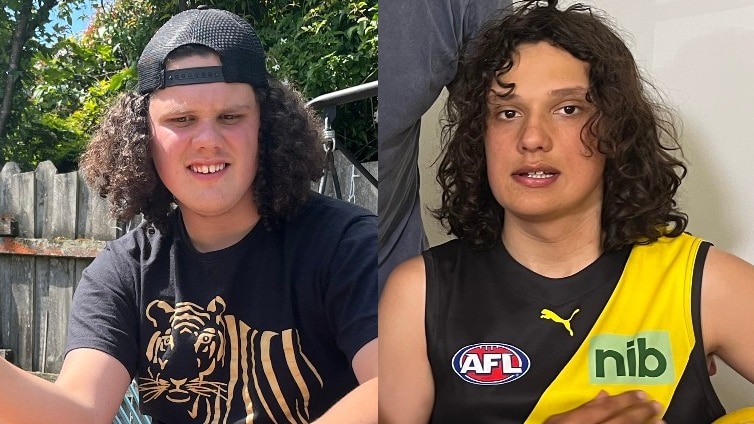
The Colgrave brothers of the United Kingdom have been both affected by Fragile X Syndrome. This shared media exposure has kept, to some slight extent, the audience apprised of the condition and how it impacts family life. Their parents are strong advocates for early diagnosis, appropriate educational support, and increased public awareness.
The story of the Colgrave brothers is to portray the strength of Fragile X families in getting along and also to argue for inclusive settings where developmentally different children might be given a chance to grow. In a way, their story mirrors and represents the wider campaign for advocacy, demonstrating that personal stories are a means by which big issues garner empathy, community networks, or research efforts.
Impact of Advocacy and Public Awareness
The individuals and families mentioned above are just a few among many who contribute to increasing awareness of Fragile X Syndrome. Their efforts have:
- Promoted early screening and diagnosis
- Assisted with funding for research
- Enhanced inclusion in schools and communities
- Reduced the stigma associated with many intellectual and developmental disorders.
Stories from everyone in the community add pictures to the words “Fragile X.” The challenges of a diagnosis do not determine one’s worth or potential.
Conclusion
Fragile X syndrome may not be the first name one may invoke when attempting to think of popular cultural voices of Hollywood or celebrities but there are many who have shared their experiences of developing an understanding of this disorder and have done a wonderful job advocating; they have put a face, and a voice behind this condition. The examples of these people rendered some meaning to medical definitions and statistics, as they have provided narratives, disputed narratives that were beyond difficult, and have exhibited triumphs that some thought were impossible.