Klinefelter syndrome or 47,XXY syndrome is a genetic condition in which someone is born with an extra X chromosome. This may cause different problems in hormonal or physical aspects in some cases, still, most of the affected individuals with the help of their family and friends live normal and successful lives. There have been a few very prominent people in the past who are believed to have suffered from Klinefelter syndrome and all of them faced hardships and accepted themselves so perfectly that they became legends in their respective professions. Below is a list of 15 great personalities who might have possessed the Klinefelter syndrome but in a slow manner opened the way for others as the condition cannot rob a person of his/her strength or successes.
Tom Cruise
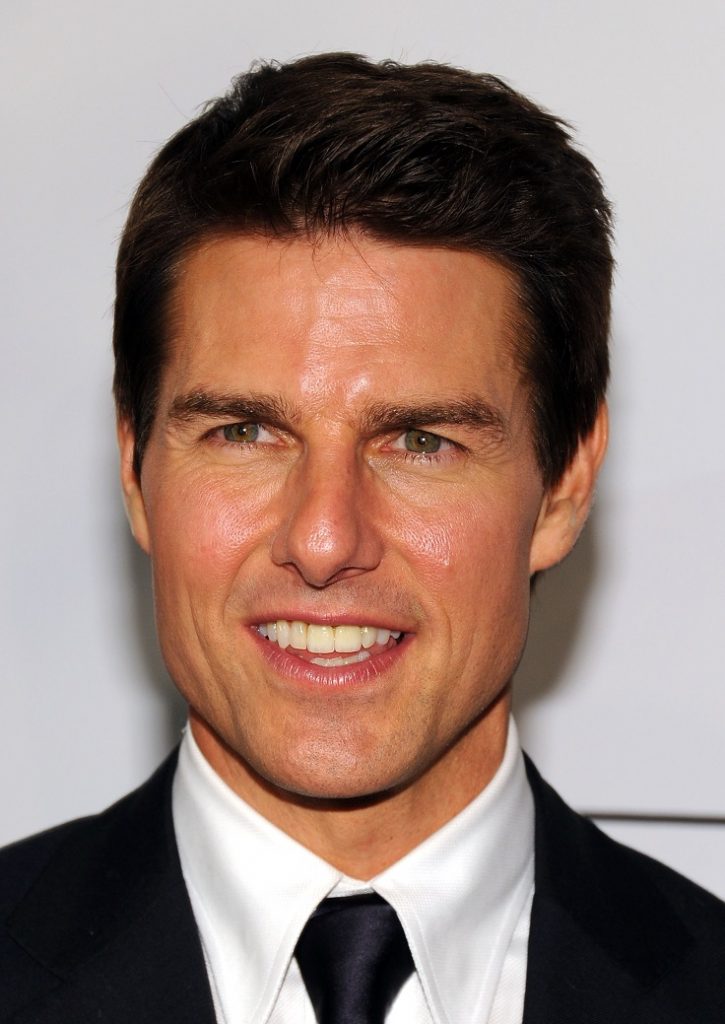
Tom Cruise, a major player in the Hollywood scenario and one of the most adored actors, has been a subject of speculation regarding the Klinefelter syndrome traits. He was born in 1962 and faced learning difficulties but eventually starred in classics such as Top Gun and Mission: Impossible. The actor’s persistence and self-image were the factors that made him one of the highest-grossing actors ever and that proved the determination to be stronger than the biological difficulties.
George Washington
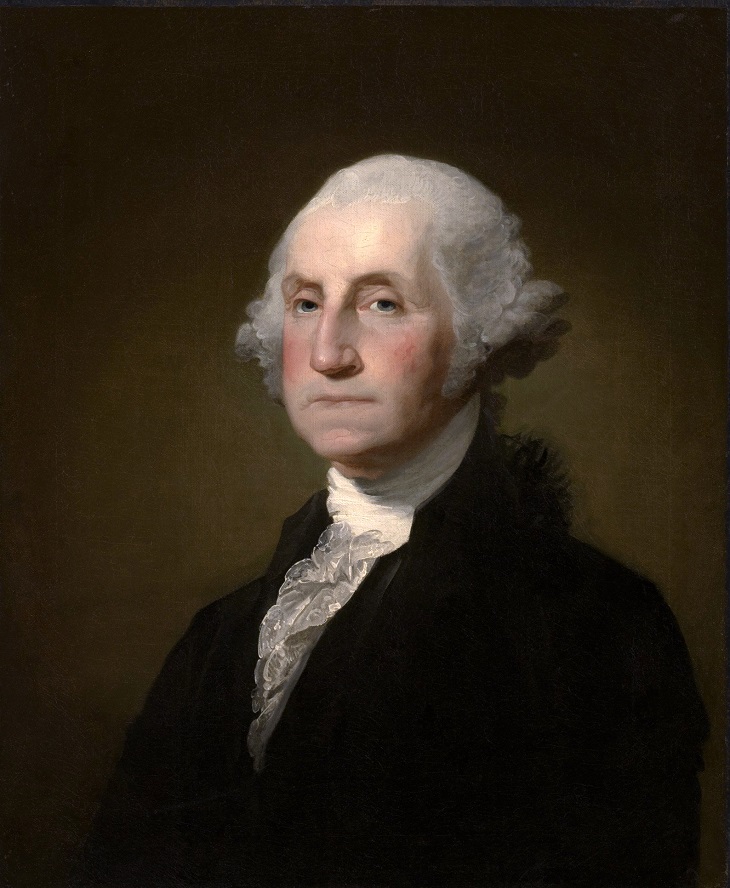
Some historians around the corner maintain that the first president of the United States, George Washington, could have had their chin up Klinefelter syndrome with his long legs and being impotent. However, he is still being appointed as one of the best leaders of the past, speeding the U.S. during the birth of the nation. His legacy is a testimony to the fact that no difference will ever hold back the leader or the vision.
Michael Phelps
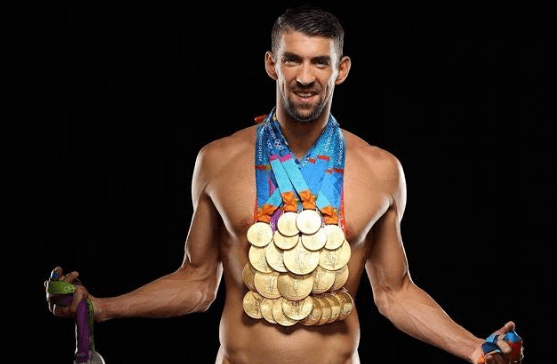
The athlete Michael Phelps, who is also the most adorned with Olympic medals, has been claimed to exhibit features connected with Klinefelter syndrome. Phelps, despite personal issues, is still a mental health advocate, and his history has made him a constant symbol of power and resilience.
Charles Barkley

Rumors surrounding NBA legend Charles Barkley’s characteristics concomitant with Klinefelter’s syndrome is still unconfirmed. Barkley, known for his loud personality and his brashness, excelled simultaneously in basketball and journalism. Confidence and wit are common characteristics among uniquely driven individuals.
Jamie Lee Curtis
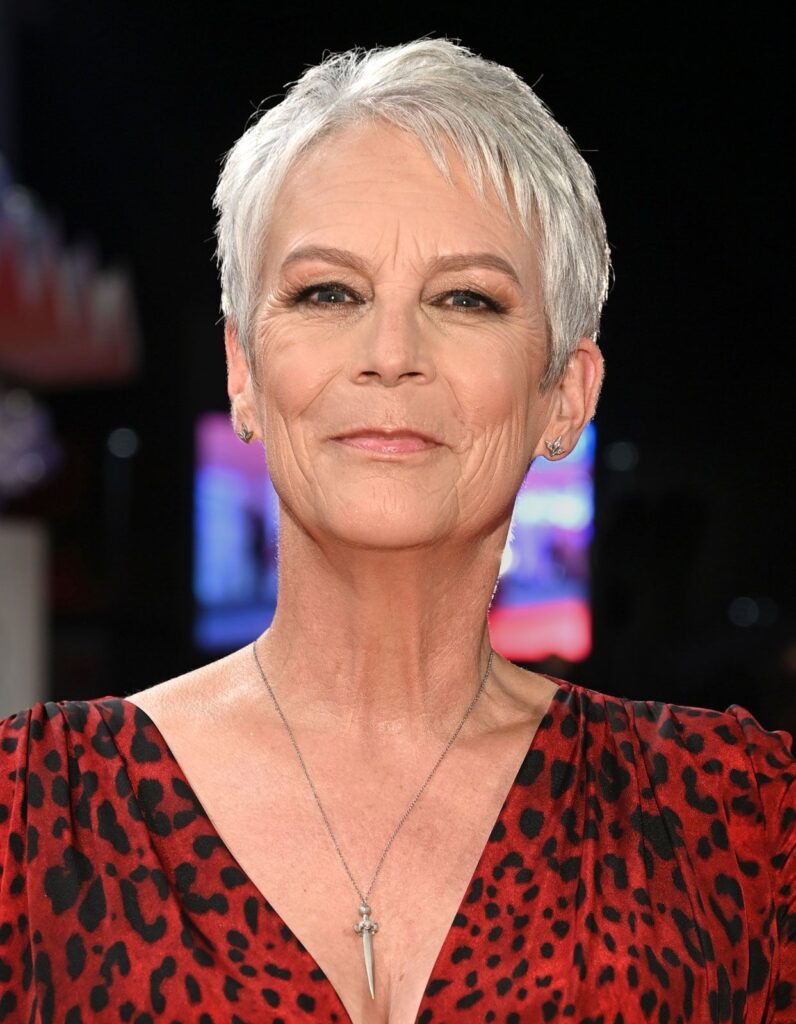
Jamie Lee Curtis, the star of Halloween and Everything Everywhere All at Once, is believed to be intersex also possibly a case of Klinefelter’s syndrome. There is, in fact, no verification of such speculations, but her courage of uniqueness and imparting the message of self-acceptance are merited. A career with advocacy has witnessed the strength of authenticity.
Janet Mock

Janet Mock is a writer, producer, and LGTBQ+ activist who serves as the voice power of transsexualism. Mock being raised male and later transitioning for different differences in chromosome and gender relations that exist among many human beings who exist in between classical definitions of the two genders. Through her advocacy for being real and solidarity, naming and representing herself in the various aspects of the media have made her a collective media figure.
Lili Elbe
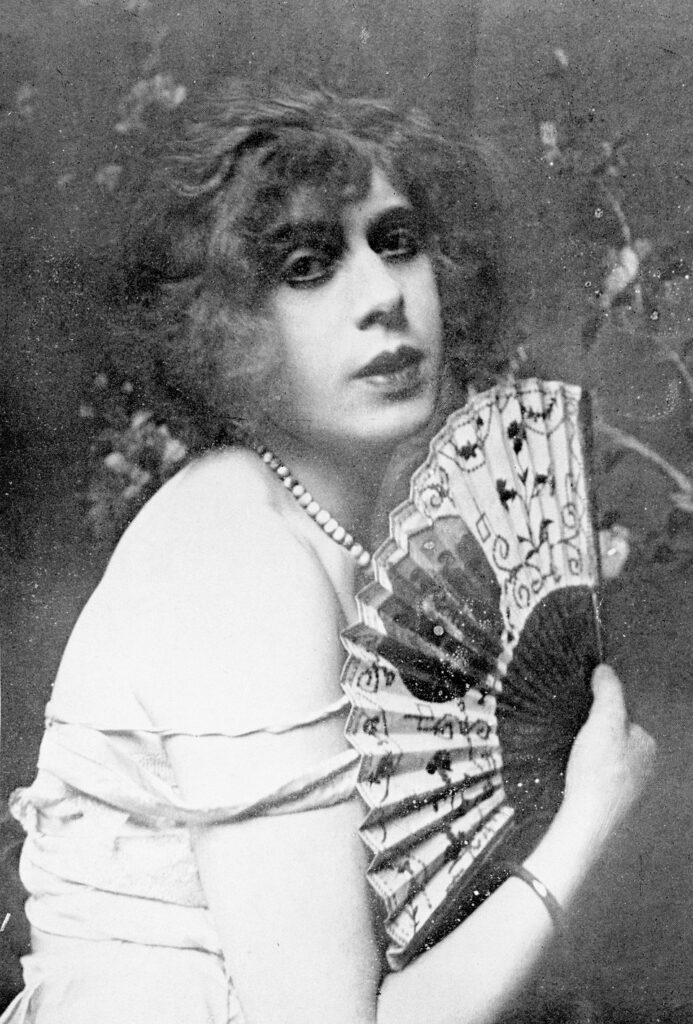
Lili Elbe, born Einar Magnus Andreas Wegener originally, was a Danish painter and one of the first people to have change of gender surgery. Her receiving a Klinefelter syndrome made her one of the most iconic transgender figures of the 20th century. Her story became the subject of the film The Danish Girl produced by Hollywood and her life tale still draws people to be true to themselves regardless of the society they are in.
Véronique Renard

Véronique Renard is a Dutch writer and artist who openly lives with Klinefelter syndrome and shares her life being the same in public. She meditates on the self, metamorphosis, and the divine among other topics in her artistic pieces. The creative person has brought the intersex matter less ascribed and more human through her practice and has also encouraged many to be proud of their distinctiveness.
Floyd Mayweather Jr.

It goes without saying that one of the best boxers ever, Floyd Mayweather Jr., has been occasionally brought up as a case of Klinefelter features. He is a fighter who is characterized by his excellent footwork, precision, and an unprecedented 50-0 record, and at the same time disciplined and focused. Mayweather has transformed himself from a difficult childhood to a worldwide superstar playing the role of a determined person, not a genetically gifted one, in saying that success is all about determination.
Caster Semenya
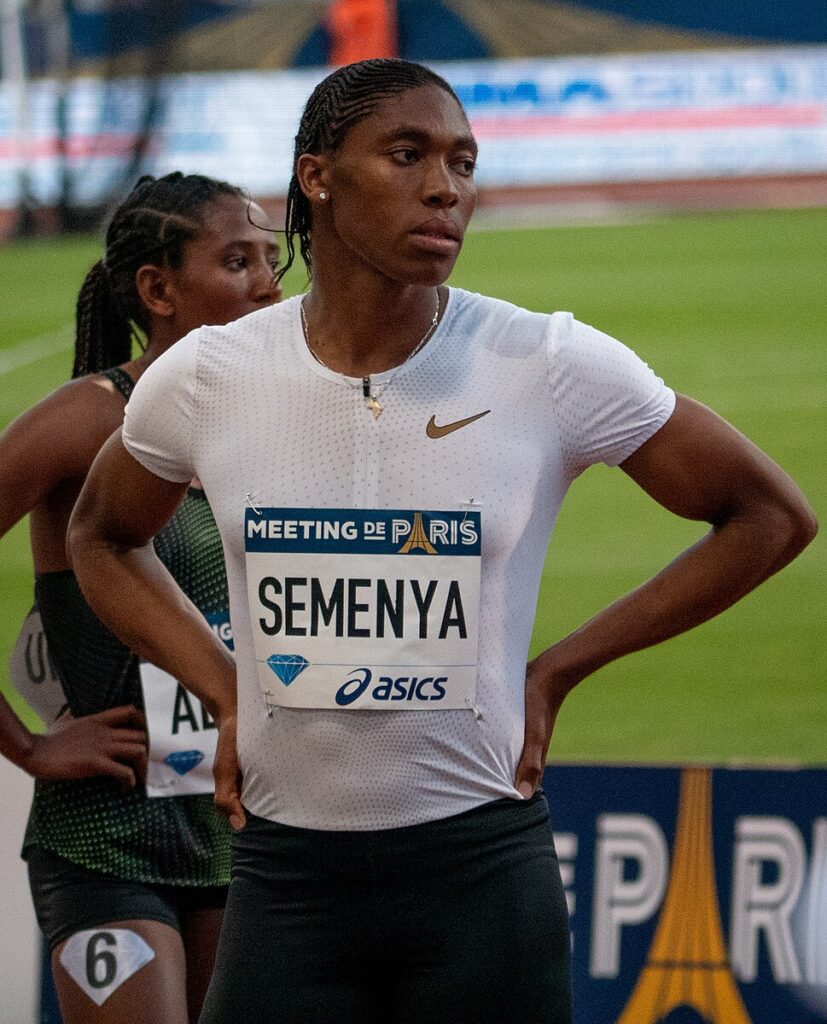
Olympic champion Caster Semenya from South Africa has been at the center of the debate concerning her hormone levels and intersex characteristics. Even though her specific condition hasn’t been disclosed, she has turned out to be a fearless and equal rights in sports icon. Semenya is still the one breaking the gender barriers and demanding the right of being included in athletics.
Richard Branson

The British tycoon and founder of the Virgin Group, Richard Branson is a marked personality who is believed to have slightly Klinefelter syndrome. Early school difficulties didn’t stop him; his imagination and business sense have made the brand one of the most famous in the world. Branson’s case is an instance of how odd minds can still dominate the sectors.
Tony Robbins
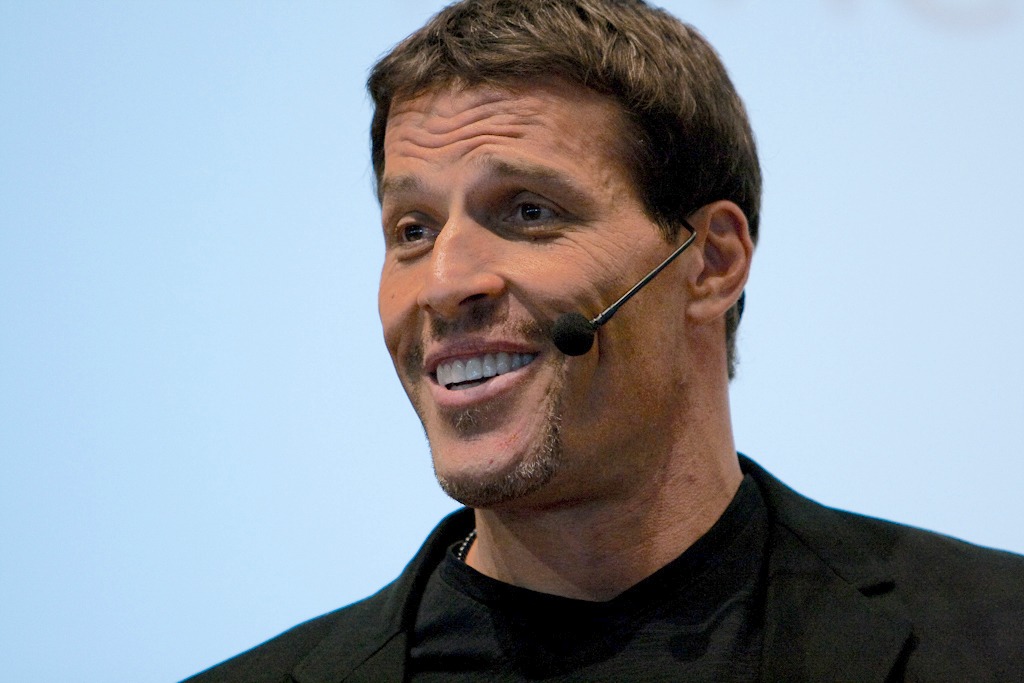
The famous motivational speaker Tony Robbins had his diagnosis of Klinefelter syndrome when he was a teen. Through his books and workshops, Robbins has been instrumental in the transformative journey of millions towards accepting change and personal empowerment.
Renée Richards
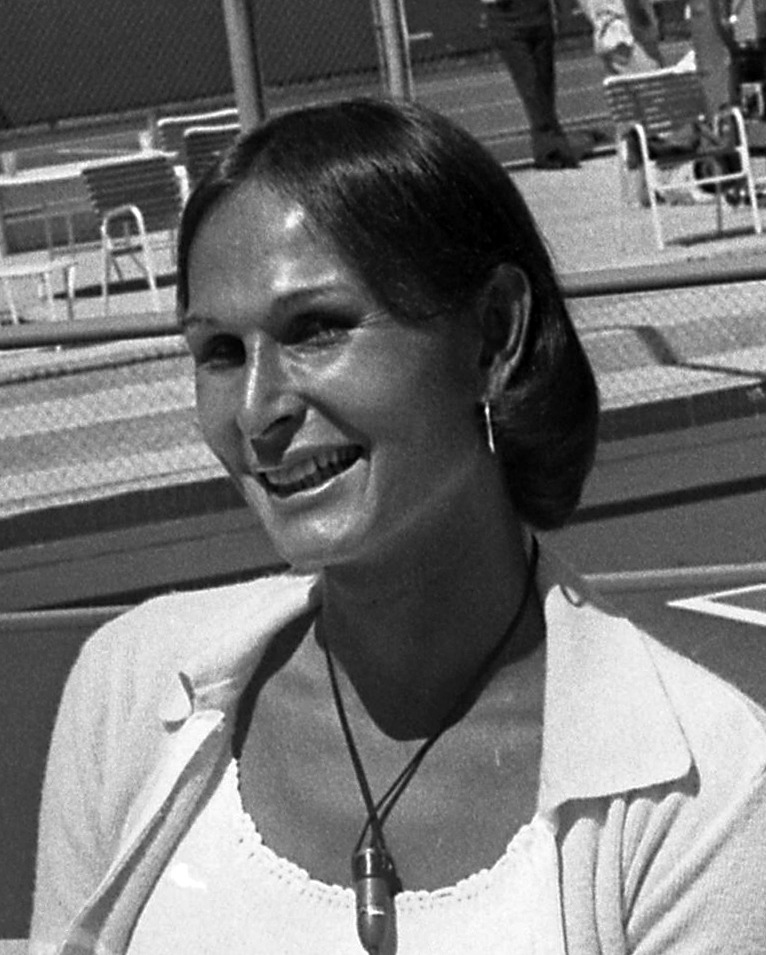
Renée Richards is a skilled and former professional tennis player and eye doctor who is best known for her fight to keep her position as a career female athlete after her gender confirmation surgery. As a person with Klinefelter syndrome, Richards opened the door for gender equity in sport as well as helped push the boundaries of medical and personal autonomy.
Lauren Foster

Lauren Foster is a former model from South Africa who was born a person with Klinefelter syndrome and became a woman in her teenage years. She came onto the modelling scene during the “supermodel phenomenon” of the 1980s, and is often noted as being one of the first openly transgender models in the fashion industry. In addition to modelling, Foster worked within the industry to help lead and advocate for more inclusive access and change to make it more inviting and safe to access for everyone.
Caroline Cossey

Caroline Cossey is a former British model and a Bond girl who was diagnosed with Klinefelter syndrome at age 17. Cossey became famous for both being publicly discriminated against and “for simply just proving herself to be a model.” Cossey is an outspoken advocate for trans and intersex bodies and serves as a role model for others.
Conclusion
Those great personalities are the ones who prove it is not the Klinefelter syndrome that prevents you from reaching your fullest potential. They have already managed to turn the world’s eye on them through sports, politics, arts, and entertainment despite their genetic diversity. Each story exemplifies a tribute to courage, persistence, and self-acceptance. They have taken the world’s view of those with limitations and redefined it through their talents and hard work. The lives of these stars are constant warnings that an individual’s fate is not decided by his/her genes but is instead a reflection of one’s character and that the diversity, in every aspect, is a plus to the human race.