Since PTSD was formerly defined in a fairly narrow and severe fashion, it was more or less considered by majority, the veteran trauma. Trauma is an equal opportunity offender. From any person who has faced some kind of scary, threatening, or life-defining event, PTSD and lingering effects occupy the realities of their existence. For many, the disruptions can include nightmares or flashbacks wherein they find themselves paralyzed with anxiety and emotional distress. Nowadays, many celebrities flaunt their traumas and healing journeys to show that healing is indeed possible and that no one should ever feel cut-off.
One major influence celebrities have on the public is that their shining light upon their own stories of fighting for their own mental health brings light into areas long kept in the dark. These stories serve as much-needed jabs in the conscience, reminding people: The disorder called PTSD is real; it is serious, and it is treatable. Here are ten celebrities who came out about experiencing PTSD and how it affected them and ways in which they were able to find their strength to move forward.
1. Ariana Grande
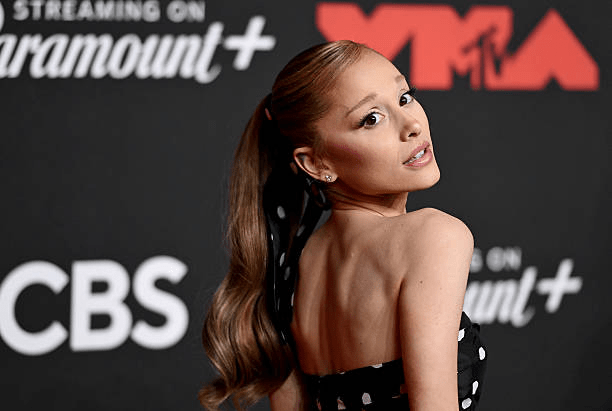
Ariana Grande faced PTSD after the terrorist attack on her concert at Manchester Arena in 2017, which killed 22 people. Grande has even provided brain scans to demonstrate the effect of PTSD on the brain when recalling the violence of that night, as well as the impact of suffering from the disorder. While she has identified survivor’s guilt, she has also expressed sympathy for the families of the victims and the fans. Grande’s candor reflects that trauma can affect direct survivors and people close to the event, during and after.
2. Lady Gaga
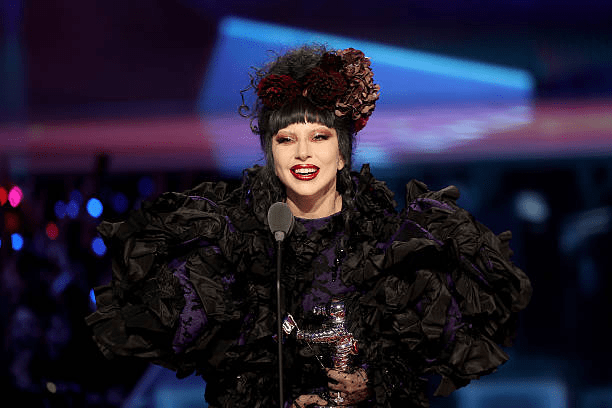
Lady Gaga has been another of the celebrities who is vocal about her experience living with PTSD. The first time Lady Gaga disclosed she had PTSD was in 2016, which she developed after being sexually attacked at the age of 19. After that, she had several follow up interviews where she disclosed years of not processing the trauma that changed the course of her life which caused her emotional pain and manifestation of physical pain. Gaga went on to say that she was seeking mental health care and used her fame to dispel the notion that trauma only affects veterans returning from war.
3. Lindsay Lohan
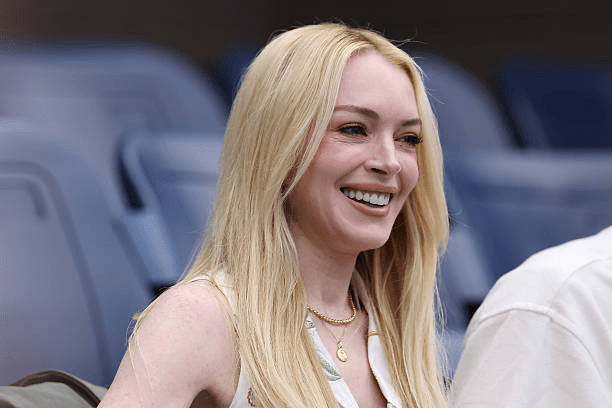
In 2025, Lindsay Lohan indicated that she had PTSD based on the levels of harassment she experienced from paparazzi at the beginning of her fame. Lohan described some of the invasive situations with paparazzi where she felt terrified and unsafe, which resulted in years of trauma. Lohan’s comment is a relevant example of how fame is often a wonderful façade to a mental health problem, while asserting that fame has psychological effects of its own.
4. Whoopi Goldberg
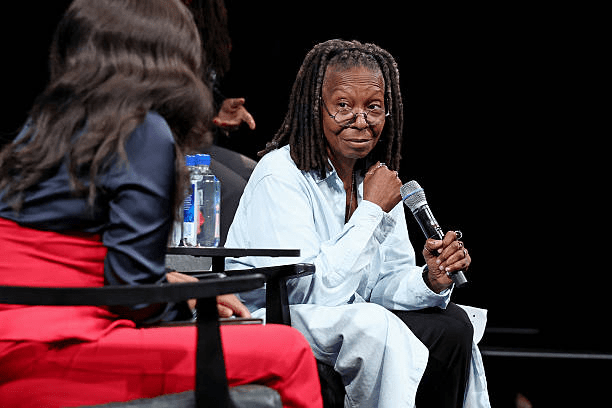
Whoopi Goldberg was later diagnosed with PTSD that developed when she witnessed a midair collision between planes in the 1970s. Goldberg was then scared of flying over thirty years later. In the later part of her life she received therapy and even took part in a program to help people with airplane-related fears.
5. Barbra Streisand
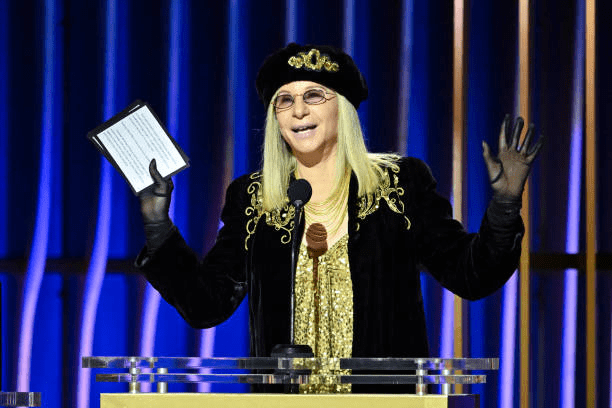
Barbra Streisand developed PTSD and severe stage fright, after a performance she forgot the lyrics to a song within a concert in Central Park in the late 1960s. It was traumatizing for her to the point she didn’t perform live for around thirty years. Despite being an established star performer, Streisand acknowledged being terrified of facing audiences. When she returned to the stage she described her struggle.
6. Kathy Griffin
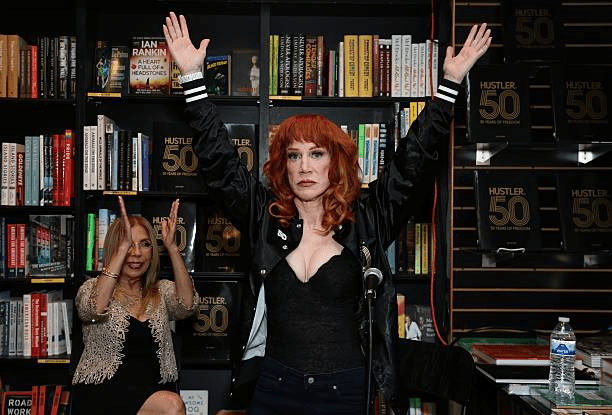
Comedian Kathy Griffin recently shared that she developed complex PTSD from a breakdown that effectively ended her career in the wake of a controversy in 2017. On social media, Griffin reported that her PTSD manifests itself as extreme panic attacks that can last for hours and even days. Griffin openly stated that although she assumed PTSD was reserved for veterans, her experience has proven to her that crises in one’s personal life can bring it on in our own lives.
7. Alanis Morissette
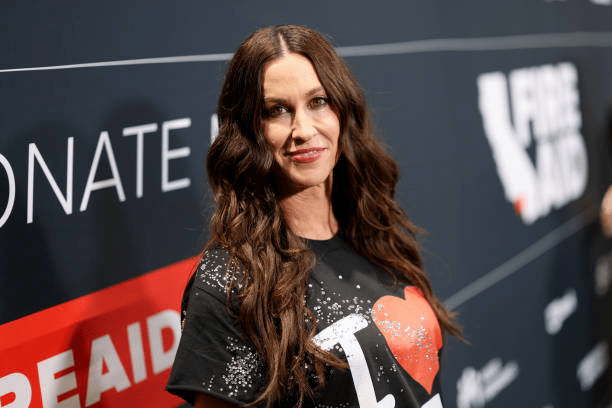
Singer Alanis Morissette has described suffering from PTSD when she was at the zenith of her Jagged Little Pill fame during the mid-90s. Morissette described her experience with the constant invasions of privacy and became inundated with fans breaking into her hotel rooms and physically crossing her personal boundaries as a result of that fame. Morissette has described how she was in therapy for PTSD, addiction, and issues surrounding her postpartum experience.
8. Monica Seles
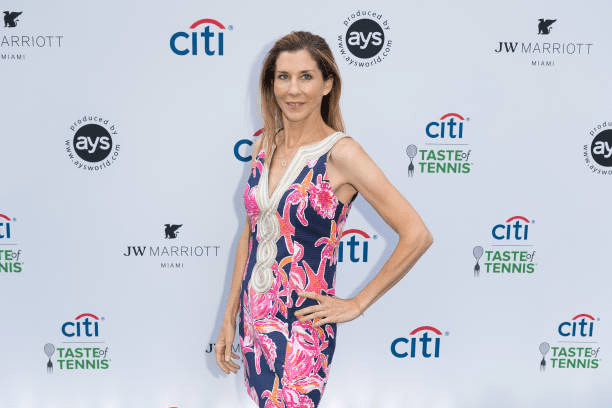
Tennis superstar Monica Seles was attacked with a knife by a spectator during a tennis tournament in Germany in 1993. Seles continued to suffer both physical injuries and emotional injuries related to the attack. When she was attacked, she was only 19, and developed post-traumatic stress disorder (PTSD), which made it very challenging to return to the game of tennis that she loved. She later said that tennis courts – the place where she found refuge – were sources of fear to her. But she eventually overcame her trauma, with therapy, and was able to return to competitive tennis.
9. Darrell Hammond
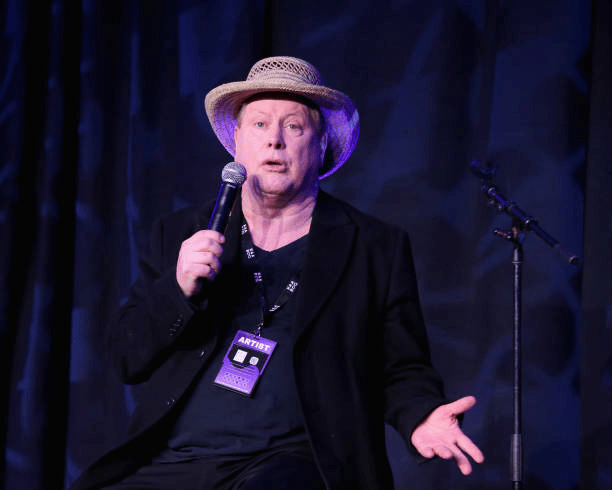
Comedian Darrell Hammond, a member of the cast of Saturday Night Live, has been dealing with complex PTSD from severe abuse he endured as a child. He exhibited self-destructive and dysfunctional behavior for years, before receiving a correct diagnosis. He has said that he was able to put his experience and recovery into more context with a formal diagnosis. He has used therapy and support networks to deal with his symptoms. He reflects upon this experience in the docuseries Cracked Up.
10. Travis Barker
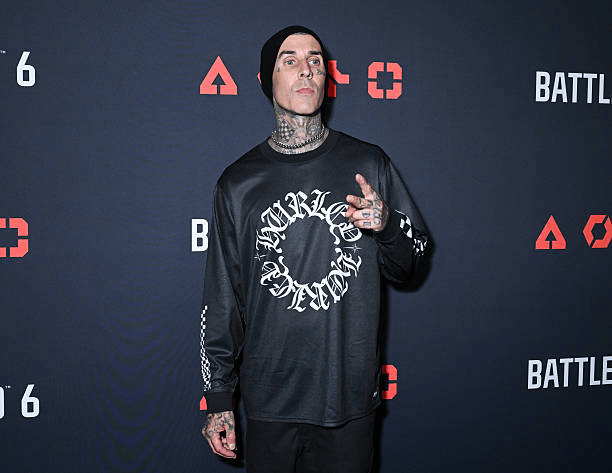
Blink-182 drummer Travis Barker developed PTSD after surviving a plane crash in 2008 that killed four people. Barker suffered serious burns from the crash and struggled with survivor’s remorse and significant fear of flying for years. Barker also talked about the time when it was finally time, supported by his wife, Kourtney Kardashian, to face his fear of flying in the air after not flying for over a decade.
Conclusion
PTSD is a multifaceted experience, one that can affect anyone – average person to celebrities. This collection of 10 stories about famous people shows trauma does not discriminate, and it has the ability to take and ruin lives. After a terrorist attack, Ariana became one voice alongside Travis Barker s rescue stories from accidents of flight she had survived, including plane crashes where lives counted in the number of victims were taken.
These were moments in time that would change these people, forever. Whatever they share (which is much), they went public, and stamped that movement for their fans, and for society, because they documented this reality of humanity: PTSD is real; PTSD is valid; PTSD is treatable.
Essentially, that courageous act gave some hope for mental health to be shared and for awareness to be created, making hope for those that were, perhaps, doors locked. Things can get better through understanding, therapy, and support. These stories of celebrities demonstrate, in much stronger terms, that healing starts when the person chooses to reasonably face the trauma that occupies their mind, and that nobody has to do this alone.