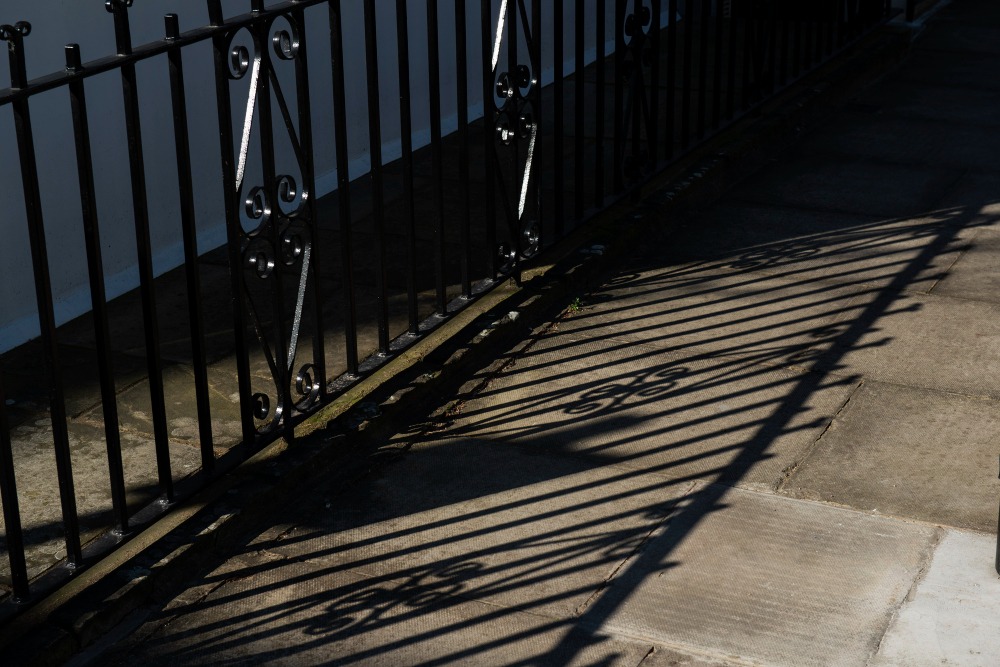
There is something oddly satisfying about a good fence. It sets the tone before anyone even steps onto the property, it frames the house, and it quietly does a lot of work in the background. Whether the goal is privacy, curb appeal, or keeping pets from staging a daily escape, the right fence ends up feeling less like a barrier and more like a finishing touch. The tricky part is choosing one that actually fits how you live, not just how it looks in a catalog photo.
Metal Fences
There is a reason you keep seeing metal fences pop up in well-designed homes. Metal fences are the frontrunner because they strike a balance that is hard to beat, they look clean, they last for years without much fuss, and they handle weather like a champ. Wrought iron and aluminum tend to lead the pack, though they each bring slightly different personalities to the table. Wrought iron has that classic, almost estate-like feel, while aluminum leans lighter and easier to maintain.
What people love most is that metal fencing does not try too hard. It frames a yard without closing it off completely, which makes it ideal if you want to keep sightlines open or show off landscaping you have invested time in. It is also surprisingly adaptable, working just as well around a modern home as it does around something more traditional. The trade-off is that it is not going to give you much privacy on its own, so if you are hoping to block out neighbors or create a tucked-away outdoor space, you may need to pair it with greenery or panels.
Wood Fences
Wood is still the go-to for a lot of homeowners, and honestly, it earns that spot. It is approachable, customizable, and it can feel warm in a way that other materials sometimes miss. A classic picket fence has a totally different vibe than a tall privacy fence, but both come from the same starting point. That flexibility is what keeps wood relevant year after year.
There is also something to be said for how wood ages. It softens, it blends into the landscape, and if you choose the right stain or finish, it can look even better a few seasons in. Of course, that comes with upkeep. Wood asks for attention, whether that means sealing, staining, or dealing with the occasional warped board. If you are someone who likes the idea of a weekend project now and then, that might not bother you. If you are not, it is worth thinking twice before committing.
Vinyl Fences
Vinyl tends to appeal to people who want a clean look without the maintenance routine. It holds its color, resists moisture, and does not require the same level of care that wood does. Once it is in place, it mostly stays that way, which can feel like a win if you are juggling a busy schedule and do not want another thing to manage.
It also comes in a range of styles, from full privacy panels to more decorative designs, so you are not locked into one aesthetic. The finish can sometimes read a little too polished, depending on the setting, but newer options have improved a lot in terms of texture and tone. If the goal is low effort with a consistent appearance year after year, vinyl does a solid job.
Composite Fences
Composite fencing sits somewhere in between wood and vinyl, pulling from both without fully committing to either. It is made from a mix of recycled materials, which gives it durability along with a slightly more natural look than straight plastic alternatives. It resists rot, fading, and insects, so it holds up well over time without constant upkeep.
One of the biggest draws is how it fits into outdoor living spaces. If you are building out decks, seating areas, or expanding your patio, composite can tie everything together in a way that feels intentional rather than pieced together. It tends to cost more upfront, but that is often balanced out by how little maintenance it needs down the road. It is not trying to be the cheapest option, it is trying to be the one you do not have to think about very often.
Chain Link Fences
Chain link does not always get the same love as other fencing styles, but it has its place. It is practical, affordable, and surprisingly effective at doing exactly what it is supposed to do. If the main concern is keeping pets safe or marking property boundaries without spending a fortune, chain link makes a lot of sense.
That said, it has come a long way from the purely utilitarian look people tend to picture. Coated options in darker tones can blend into the background more easily, and adding plants or slats can soften the overall feel. It is not trying to compete with decorative fencing, but it can still look intentional with a little thought behind it.
Privacy Panels
Sometimes a full fence is not what you need. Privacy panels offer a more targeted approach, giving you coverage where it matters most without enclosing the entire yard. They work well around seating areas, pools, or spots where you want a bit of separation without committing to a full perimeter fence.
They also open the door to more creative designs. Wood slats, metal screens, or even mixed materials can create a layered look that feels more like part of the landscaping than a boundary line. It is a different way of thinking about fencing, one that focuses on how you actually use the space instead of just where the property lines fall.
What Matters Most
Choosing the right fence comes down to how you want your space to function day to day. Privacy, security, maintenance, and style all play a role, but they do not carry equal weight for everyone. Some people want a backyard that feels like a retreat, others want something that looks sharp from the street, and plenty of people just want to keep the dog from wandering off.
The best choice is usually the one that fits your routine without adding friction. If it looks great but turns into a constant project, it will not feel worth it. If it is easy to maintain but does not match the rest of the property, it will always feel slightly off. When you land on the right balance, it tends to feel obvious in hindsight.