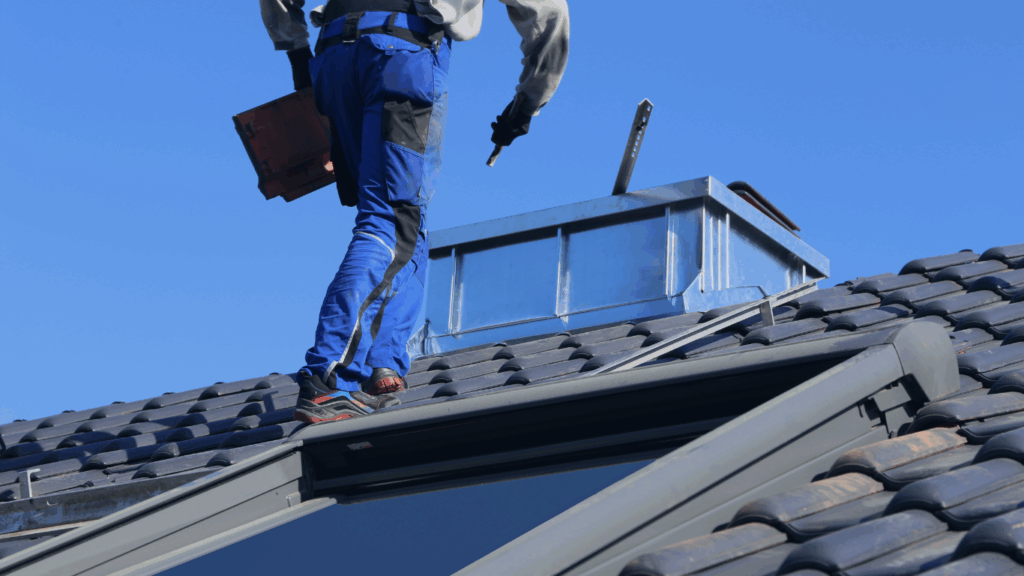
A step-by-step guide to sourcing, vetting, and hiring a contractor you can actually trust
Even if you’ve got serious DIY skills, there comes a point when a project is too big, too technical, or too time-consuming to tackle on your own. Maybe it’s a kitchen that’s well past its prime, a roof that’s been patched one too many times, a new deck, or a full electrical rewire. Whatever the job, you need a contractor who’ll get it done right to your specs, on schedule, and on budget.
Finding that person takes a little effort, but you don’t need to start from zero. Trusted Home Quotes connects homeowners with licensed, insured, pre-screened contractors in their area. Answer a few questions and get free quotes from pros who’ve already been vetted in your area. If you want to understand the full process before diving in, this guide walks you through every step.
In this article, we’ll cover how to plan your project for accurate quotes, where to find trustworthy contractors, how to vet your shortlist, what to look for in a contract, and the red flags that should make you walk away.
Step 1: Plan Your Project Before You Start Calling
The more specific you are about what you want, the more accurate your quotes will be and the less likely you are to get hit with surprise costs halfway through. Before you reach out to a single contractor, take the time to properly define your project.
Measure the space. Decide on materials. Figure out which appliances, fixtures, or finishes you want. If you’re doing a kitchen remodel, know your countertop material, cabinet style, and flooring before you ask for a bid. If it’s siding, calculate your home’s exterior square footage. Contractors would rather have too much detail than too little more information means an estimate that actually reflects what the final bill will look like.
Once you have a clear picture of the project, get at least three bids and ask for a line-by-line cost breakdown from each. If you really want to be thorough, call suppliers directly to verify material costs and make sure you’re not getting overcharged.
Step 2: Where to Find Reliable Contractors
Getting names isn’t the hard part, getting good names is. Here are the three most reliable ways homeowners find contractors worth hiring.
Online Quote Platforms
Platforms like Trusted Home Quotes are the fastest way to get matched with pre-screened pros without the cold calls. You answer a few questions about your project, and the platform connects you with vetted local contractors in your area. The contractors you see have already been checked for licensing and insurance basics, so you’re not starting from scratch.

Personal Referrals
A recommendation from someone you actually know beats any online review. If your neighbor just wrapped a renovation they’re happy with, ask who did it. You’ll get candid feedback, you can see the finished work in person, and you’ll hear what really went on the good, the bad, and what they’d do differently.
Start with friends, family, neighbors, and coworkers. Local Facebook groups and Nextdoor are also solid options, especially for finding recent feedback on a contractor in your specific area.
Local Suppliers and Trade Associations
Lumberyards, plumbing supply houses, and tile distributors work with contractors daily. Their staff knows firsthand who runs a clean job site, who pays invoices on time, and who operates like a professional. Ask them who they’d hire for their own home you’ll get straight answers you won’t find on any review platform.
Trade associations like the National Association of Home Builders (NAHB) and the National Kitchen & Bath Association (NKBA) also maintain member directories. Membership isn’t a quality guarantee on its own, but it weeds out transient operators and signals a baseline commitment to industry standards.
Step 3: How to Vet Your Shortlist
Once you’ve pulled names from a couple of sources, you should have four to six candidates. Here’s how to cut that down to the one you’ll actually hire.
Verify License and Insurance
Licensing requirements vary by state and province, but most areas require a license for projects above a certain dollar threshold. Look up your local licensing authority online and verify the contractor’s name or license number directly. Then request a current certificate of insurance covering both general liability (for property damage) and workers’ compensation (for crew injuries). On larger jobs, call the insurer directly to confirm the policy is active, not just that a certificate was issued at some point.
An unlicensed contractor can cause serious problems down the line: voided permits, uninsured damage, and work that doesn’t meet code. Don’t skip this step.
Check Reviews But Read the Bad Ones
Don’t stop at the star rating. Pull up the one- and two-star reviews and look for patterns. A contractor with a strong average but recurring complaints about disappearing mid-project or final bills that don’t match the quote is worth skipping regardless of how good their top-line number looks.
Request References and Follow Up
Ask each serious candidate for three references from projects completed in the last six to twelve months, with at least one that’s similar in scope to yours. Reputable contractors expect this. When you call, ask:
- Did the project finish on time and at the agreed price?
- Was the contractor easy to reach when issues came up?
- How did they handle changes to the original scope?
- Would you hire them again?
- Is there anything you wish you’d known going in?
If a reference gives glowing answers and lives nearby, ask if you can come see the completed work in person. That’s the most honest filter of all.
Questions to Ask During the Interview
Before you commit to anyone, bring your top candidates to the job site and ask the right questions. How they answer matters as much as what they say.
- How long have you been in business?
- Can I see your state contractor license and proof of insurance?
- Do I need permits for this project, and can you pull them?
- What does your payment schedule look like?
- Who will be my main point of contact day to day?
- How do you handle change orders?
- What’s your estimated timeline for completion?
- How long have you worked with your subcontractors?
- What warranty do you offer on materials and labor?
Good contractors are comfortable with questions and answer them clearly. Anyone who rushes you, gets defensive, or dodges specifics is showing you exactly how they’ll behave once your deposit is in their account.
Need help finding vetted contractors in your area? Trusted Home Quotes matches you with licensed, insured, pre-screened pros for any home project—from kitchen and bath remodels to roofing and full additions. Get up to three free quotes and compare side by side.
Step 4: Get a Solid Contract Before Work Starts
Once you’ve chosen your contractor, don’t let excitement rush you past the contract. A good contract protects both parties and eliminates the grey areas that cause disputes. Before you sign, make sure it includes:
- A detailed project scope with clear limitations
- A full cost breakdown, line by line
- A realistic project timeline with milestones and a completion date
- Terms for change orders how they’re approved and priced
- Payment schedule tied to project milestones, not arbitrary dates
- Warranty terms for both materials and workmanship
- Circumstances under which either party can pause or end the work
- Breach of contract remedies for both homeowner and contractor
A standard deposit runs 10–30% upfront. Never pay more than 50% before work begins, and never pay in full before the job is done. Make sure both parties sign and date the final contract, and keep a copy somewhere you can find it.
Step 5: Track Progress Once the Work Begins
Even when a project seems to be going smoothly, it pays to keep a running record. Documentation protects you if timelines slip, work quality falls short, or you need to enforce the contract.
Keep track of:
- Hours worked and daily progress made
- When the contractor arrives late or leaves early
- Whether they’re tracking to the agreed schedule
- Any damage to your property during the project
- Problems that come up and how they’re handled
- Any unforeseen delays and what caused them
Before making the final payment, go through your original scope document and verify that every element is complete and finished to the standard you agreed on. Don’t sign off until you’re genuinely satisfied.
Red Flags to Watch For
Do your due diligence upfront and most scammers will eliminate themselves. But stay alert to these warning signs at any stage of the process:
- Asking for full payment upfront. A 10–30% deposit is normal. Anything over 50% before work starts is a red flag.
- Cash-only pricing or “discounts for paying cash.” Usually means no insurance and no paper trail.
- No written contract or a vague, one-page estimate with no detail.
- “This price is only good today.” Pressure tactics are not how legitimate contractors operate.
- No verifiable business address. Hard to hold accountable someone who works exclusively out of a truck.
- Reluctance to provide license, insurance, or references. Any hesitation here is your answer.
- Offering to waive your insurance deductible—this is illegal in most states.
- Trying to rush you into signing anything, especially blank documents.
After the Project Is Done
Once the work is complete, walk through your checklist before signing off or releasing the final payment. Make sure you have physical copies of all warranties and confirm that all subcontractors and suppliers have been paid or obtain lien releases to protect yourself from future claims against your property.
If everything went well, leave an honest review and offer to be a reference. It helps the contractor’s business and helps other homeowners make a more informed decision.
If something went wrong, start by trying to resolve it directly with the contractor. Follow up any conversation with a written letter sent certified mail and add it to your project records. If that doesn’t work, your local home builders association, the Better Business Bureau, or your state attorney general’s office are the next steps.
Final Thoughts
The homeowners who end up happy with their projects aren’t the ones who got lucky. They’re the ones who planned ahead, sourced from the right channels, asked the hard questions, and verified before they hired. Follow the same process and you’ll land a contractor who shows up, does the work right, and leaves you with a result you’re genuinely proud of.
Start your search at Trusted Home Quotes to get matched with pre-screened contractors in your area.