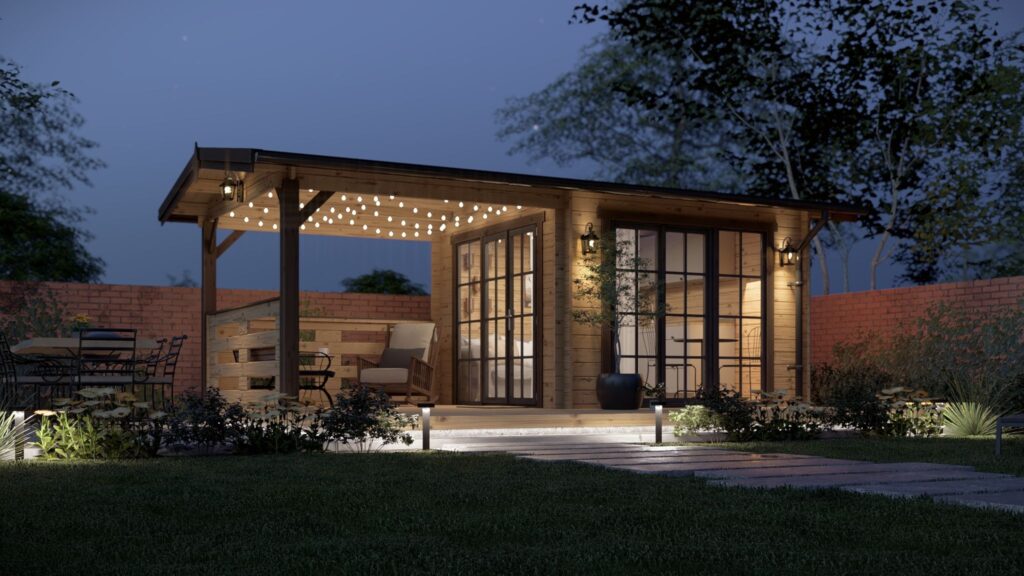
Log cabins Ireland offer a unique opportunity to blend natural beauty with comfortable living, creating sanctuaries that feel deeply connected to the landscape. The inherent warmth and character of timber architecture lend themselves perfectly to biophilic interior principles, fostering well-being through a strong connection to nature.
This article explores seven interior decor ideas specifically tailored for log cabins Ireland, designed to enhance their natural aesthetic and promote a sense of calm.The approach is guided by the ‘Timber-First Design Hierarchy,’ a framework that prioritises the existing wood as the primary design element, then introduces materials inspired by Ireland’s landscape and finally integrates living elements to strengthen the connection with nature.
1. Layer Local Textiles: Irish Wool and Linen
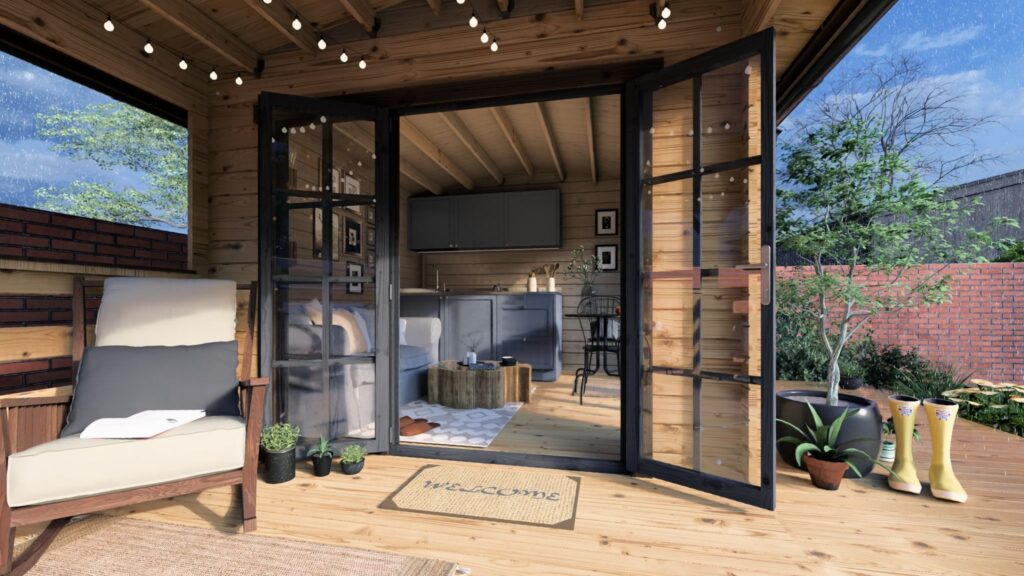
Integrating authentic Irish wool and linen textiles naturally complements the timber grain of log homes, adding softness and cultural depth. These materials introduce texture, warmth, and a connection to local craftsmanship.
- Irish Wool: Ireland is home to approximately 8,000 wool producers, and 90% of the wool produced in Ireland is strong wool, making it suitable for durable home décor items such as throws and blankets.
- Local Sourcing: When choosing Irish wool and linen products, look for locally made textiles that reflect traditional Irish craftsmanship and complement the natural character of your log home.
- Colour Palettes: Earth tones, heather greys, and moss greens that echo Ireland’s natural landscape work particularly well with wood.
- Placement: Drape a wool blanket over a chair or sofa. You can also add linen cushions to provide comfort and a soft finishing touch.
This approach highlights the tactile warmth and ethical sourcing prioritised in 2026 Irish home styling trends.
2. Stone Accents: Bringing Ireland’s Landscape Inside
Incorporating natural Irish stone, such as Kilkenny limestone or slate, adds a grounding element that directly links the interior to Ireland’s rugged landscape. Stone provides a beautiful contrast to the timber, preventing the space from feeling overwhelmingly wooden.
- Kilkenny Limestone: Kilkenny Limestone is quarried at three locations in Ireland and has a distinctive blue-black colour with fossil inclusions.
- Feature Elements: Consider using stone for a fireplace surround, a small accent wall, or decorative displays featuring river stones.
- Balancing Warmth: Pair stone elements with warm timber or cosy fabrics to prevent the look from feeling too cold.
- Sourcing: When selecting natural stone, consider local Irish stone suppliers and choose materials that complement the existing timber and overall interior design.
Ensure proper sealing and maintenance for stone, especially in Ireland’s often humid climate, to preserve its natural beauty.
3. Maximise Natural Light with Strategic Window Treatments
Optimising natural light is crucial for log homes, particularly in Ireland where winter daylight can be as short as 7.5 to 8 hours in December. Strategic window treatments enhance brightness without compromising privacy or insulation.
- Sheer Linen Curtains: These allow maximum light penetration while offering a soft, natural texture that complements wood.
- Wooden Shutters: Provide excellent insulation and privacy when needed, folding back to reveal the full window during daylight hours.
- Mirror Placement: Position large mirrors opposite windows or in darker corners to reflect and amplify natural light.
- Avoid Heavy Drapes: Thick, dark curtains can absorb light and make timber walls feel heavier, conflicting with the desired natural aesthetic.
Ireland has limited daylight during December, making light-enhancing solutions particularly useful during the darker months.
4. Incorporate Living Greenery: Indoor Plants for Log Homes
Bringing living plants indoors enhances a log home’s biophilic connection, adding vibrant natural colour and strengthening the sense of connection with nature. Plants are a key component of the 14 Patterns of Biophilic Design, which promote human connection to nature.
- Low-Light-Tolerant Plants: Choose plants such as ZZ plants, snake plants, peace lilies, and pothos, which can tolerate lower light levels and are well suited to typical indoor conditions.
- Air Quality: Plants can add colour and natural character to any home and are particularly effective at enhancing the connection with nature in enclosed timber spaces.
- Creative Displays: Use hanging planters, multi-tiered wooden shelves, or oversized floor pots to incorporate greenery throughout the home.
- Humidity Management: While plants release moisture, the timber itself helps stabilise indoor humidity variations. If possible, keep the overall indoor relative humidity below 60% to prevent mould, ideally 40–50% RH.
Choose indoor plants that are suited to the available light and humidity levels in your home.
5. Rustic Lighting Fixtures: Wood, Metal, and Edison Bulbs
Thoughtful lighting design is paramount in log homes, where timber walls can absorb light. Rustic fixtures crafted from natural materials enhance the cabin’s character while providing necessary illumination.
- Material Harmony: Opt for pendant lights, sconces, and floor lamps made from reclaimed wood, wrought iron, or copper.
- Warm LED Bulbs: Choose LEDs with a warm colour temperature (2700K-3000K) to complement the wood tones and create a cosy ambience.
- Layered Lighting: Combine ambient (general), task (focused), and accent (decorative) lighting to create depth and flexibility.
- Irish Artisans: Explore Irish designers and makers for unique, handcrafted lighting that supports local talent.
Current Irish interior design trends increasingly favour layered, sculptural lighting over harsh overhead illumination.
6. Natural Fibre Rugs: Jute, Sisal, and Wool
Natural fibre rugs provide texture, warmth, and sound absorption, grounding furniture in open-plan log home layouts. Their organic feel complements both timber and stone flooring.
- Wool: Highly durable and cleanable, wool rugs are excellent for high-traffic areas and offer superior comfort.
- Sisal: Known for its toughness, sisal is ideal for entryways and busy corridors, especially when treated for stain resistance.
- Jute: Softer and more affordable, jute is best reserved for low-to-medium traffic areas like bedrooms, as it breaks down with constant heavy use.
- Layering: Combine different natural fibre rugs to add visual depth and define zones within large spaces.
When selecting, consider the specific traffic level of each area to ensure the rug’s longevity and performance.
7. Handcrafted Wood Furniture: Supporting Irish Artisans
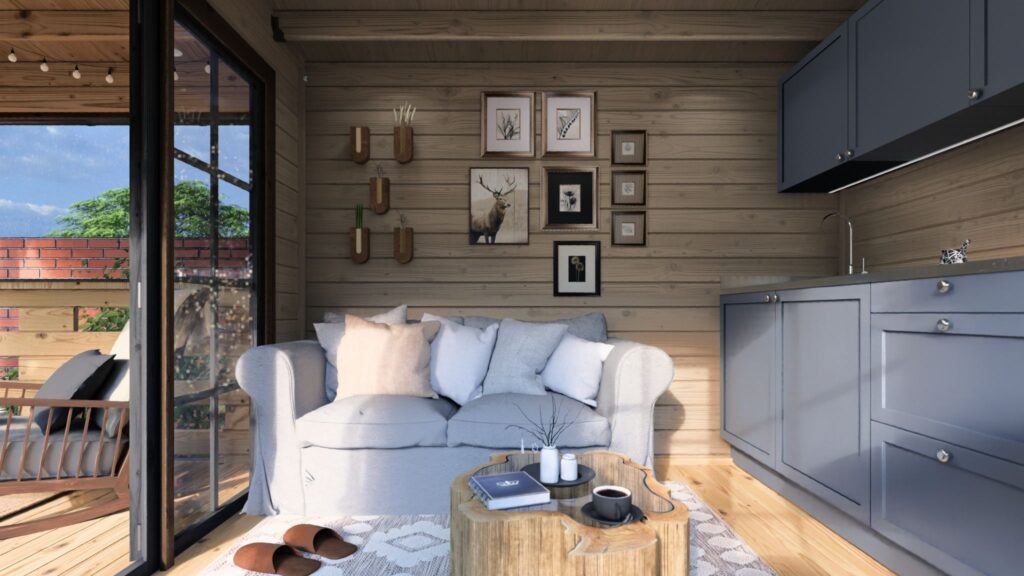
Choosing handcrafted wood furniture connects the interior to the log home’s timber structure and supports local Irish artisans. The key is to select pieces that either harmonise with or provide a thoughtful contrast to the existing log walls.
- Contrast vs. Harmony: Lighter, painted wood pieces can provide visual relief against dark logs, while pieces made from similar timber tones create a cohesive, uniform look.
- Irish Woodworkers: Explore Irish furniture makers and independent craftspeople for bespoke, locally made pieces that complement the character of a log home.
- Sustainable Sourcing: Prioritise FSC-certified timber or reclaimed wood for more sustainable furniture choices.
- Investment Pieces: Handcrafted furniture often represents a long-term investment, aligning with the durability and longevity emphasised in sustainable design.
Choosing locally made furniture can also help support Irish craftsmanship and sustainable practices.
Conclusion: Creating Your Natural Living Sanctuary
A log home can use the natural character of its building materials to create a space that connects the indoors with the outdoors. Homeowners can create beautiful and functional spaces by implementing the ‘Timber-First Design Hierarchy’ together with local materials and biophilic principles.
Begin with two or three of these ideas, focusing on what best suits your personal style and the existing character of your home. Natural living design creates a more immersive experience that enhances the home environment while strengthening the connection with Ireland’s natural heritage.