
Things never seem to go to plan after a bad night’s sleep. Everything irritates. Your colleague’s pen tapping from across the office has meant you’ve done nothing today, and it’s almost lunch. It’s the reminder we all need from time to time: sleep is the ultimate recharge for body and mind.
This wisdom is nothing new. However, with each new study, our understanding of the effects of sleep deprivation grows deeper. And more concerning, especially when you consider what happens to our mental health when we don’t sleep enough. If this is an issue you’ve given some thought to lately, read on as we unpack the effects of sleep deprivation on mental health.
Your Brain and Sleep: The Nocturnal Science
The first myth worth busting: Is sleep a passive process? Not in the slightest, despite appearances. It’s an active process, all night long. Imagine a car, resting idle in a garage overnight, that’s able to replace its oil, check its own tires, and correct its wheel alignment. When we sleep, similar maintenance happens. We move through cycles, like deep sleep and Rapid Eye Movement (REM) sleep. The brain flushes metabolic waste, processes emotions, and regulates your supply of neurochemicals, like dopamine and serotonin, which have a huge influence on your well-being.
It’s simple. Cut your sleep short and you cut this repair work short. Is it any wonder you splutter to ignite in the morning?
Sleep and Your Mood: The eternal dance
Along with feeling physically tired, your shift in mood is the thing you notice most when you’ve underslept. I’m feeling a little flat, you say when your partner or colleague asks what’s up. But that’s just one night. The real issues surface when you consistently fail to meet your sleep targets; anxiety and depression are the most common.
When we say it’s a dance, we’re not kidding; things only flow when both partners work together. If you’re sleeping, your mental health deteriorates, which then makes you lose sleep. It’s a hard cycle to break, so don’t get it started.
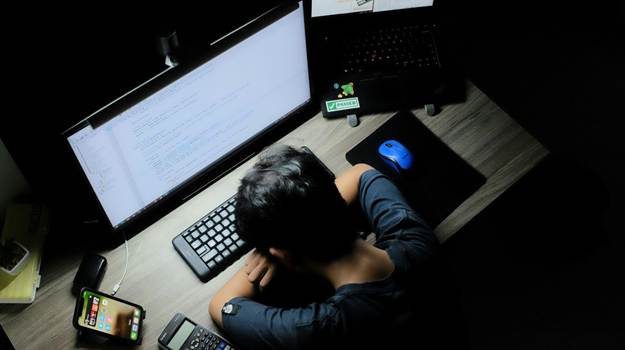
Memory, Fog, and Poor Decisions
You know the feeling: can’t find the right words, simple words you use every day, your mind blank as the horizon. No need to look for a culprit; it’s staring right back at your sunken eyes. Sleep deprivation impacts your brain’s ability for judgment and decision-making (your prefrontal cortex).
You also know this feeling, a kind of fog that settles in your head. For the near future, concentrating or staying productive is out of the question. It all ties back to sleep, and whether you’re getting enough or not.
Chronic Sleep Deprivation: What it’s Costing You
You might be thinking, a few sleepless nights, what’s the harm? Well, it adds up, like debt. And just like financial debt, it brings stress, emotional sensitivity, and a genuine risk of burnout.
Not to mention a more severe risk of mental health conditions. If you’re unsure whether sleep loss or chronic sleep loss is affecting your mental health, be on the lookout for these signs:
- Frequent irritability and mood swings
- Trouble concentrating and remembering things
- Persistent sadness and anxiety
- A constant feeling of being overwhelmed emotionally
How to Reset and Restore: Prioritizing Your Sleep and Mental Health
If this all sounds a little doomsday, don’t worry; you have far more say in this matter than you might think. The key is creating a healthier sleep schedule, which isn’t hard. It just takes discipline. Consider these evidence-based tips:
- Consistency is key. Yes, even on weekends.
- Reduce your screen time, and help improve your melatonin production.
- Make your wind-down a sacred routine. Think reading, think meditation. Even a gentle stretch can make a difference.
- Cool it with the caffeine. Yes, it’s your best friend in the morning, but not at night.
- Create a bedroom that invites sleep.
What’s critical to note here is that even with a sleep schedule you obey, insomnia and mental health concerns can continue; the human body is weird and frustrating like that. If issues continue, you mustn’t hesitate to seek support from healthcare professionals. A sleep specialist or someone whose qualifications include an online masters in clinical mental health counseling will be best placed to help you uncover any underlying issues and adjust your sleep schedule accordingly.
Given the pace and intensity of modern life, sleep is often thought of as a luxury, something you enjoy when you have time. This is detrimental logic, to say the least. Sleep is vital, a foundational part of our mental health. What flows from a good night’s sleep is undeniable: clearer thoughts, less stress, and more emotional balance. What flows from a bad night’s rest, well.
It’s why you must take sleep seriously. Don’t burn your candle at both ends; instead, invest all you can into resting properly. Think past tomorrow, as there’s always another day behind it, another sleep behind it, and this is a long-term game.