Asperger’s syndrome is a neurodevelopmental condition where there are significant difficulties in verbal communication, which then manifest into issues with social interaction as well. People often confuse this with Autism, and while these conditions share some traits, they are not the same.
Classical Autism may also cause symptoms of delayed or null cognitive development, but people with Asperger’s are, in fact, of normal, or sometimes even above-average intelligence, with immense cognitive development. Misdiagnosis has often caused people to suffer and be stigmatized in society, but some of these people have still broken all glass ceilings to rise above and shine. Here are 10 famous people with Asperger’s syndrome who changed the world, leaving a mark on history.
Albert Einstein
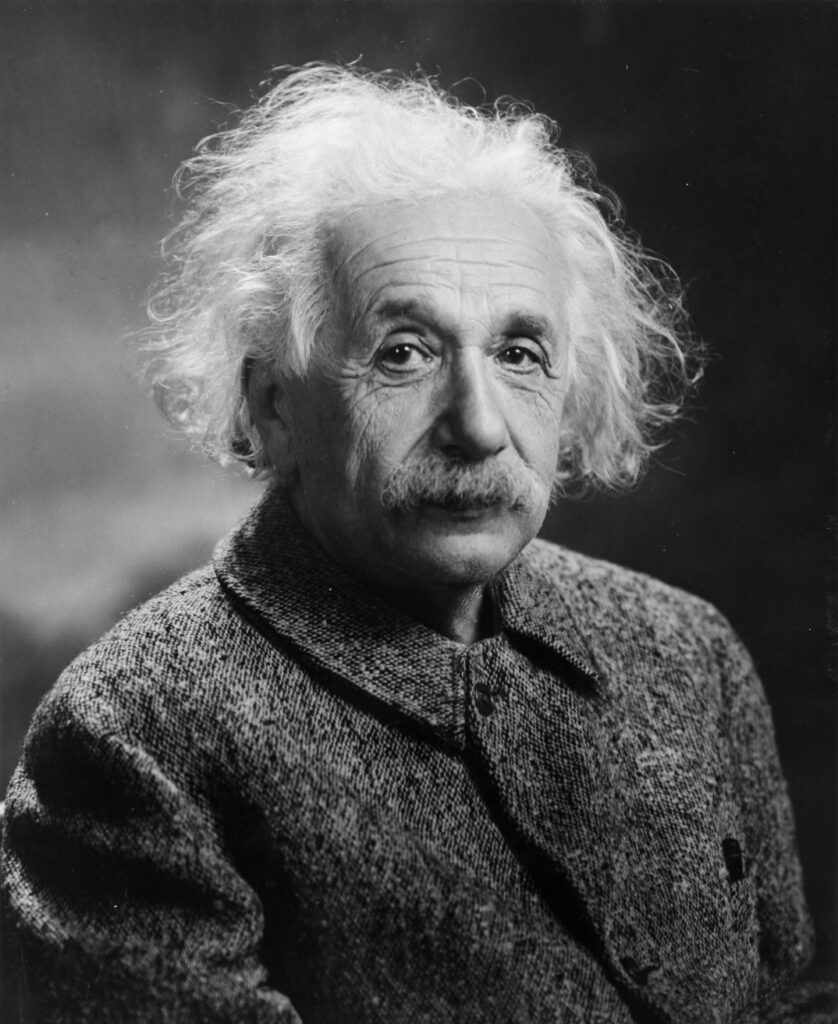
While the world might know Einstein as the genius he was, especially among people in STEM, a fun fact about him is that he couldn’t speak fluently until he was about 9 years old. He had a few close friends throughout his life and had the quirk of constantly repeating phrases to himself while working. Even his teachers claimed that he was slow, though we know that fact did not stand true when he almost dismantled the foundation of physics. Though never formally diagnosed, researchers now believe that he what he had was Asperger’s syndrome.
Isaac Newton
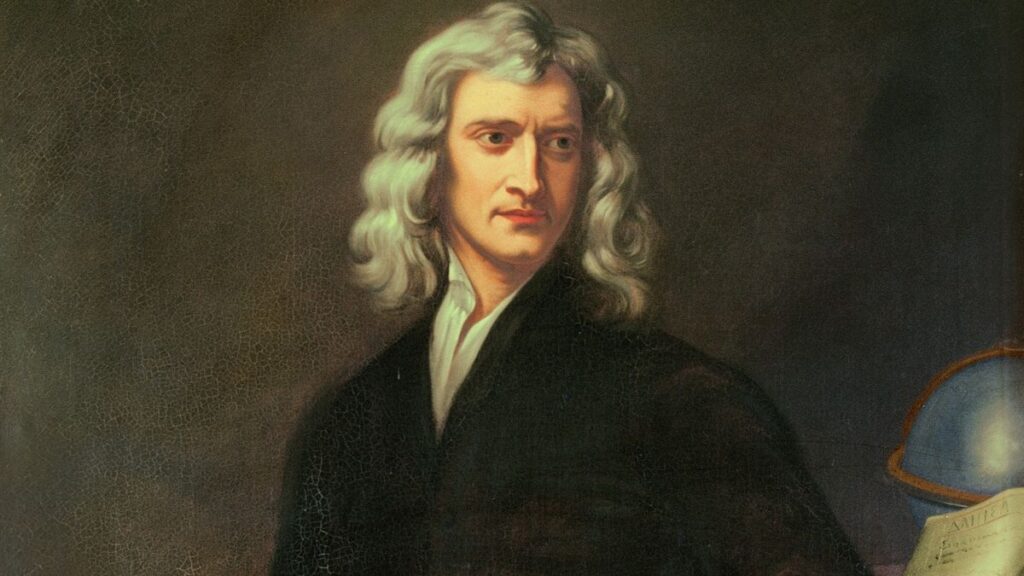
Now, Newton had a quirk, and a particularly weird one. He rarely spoke at lectures, but when he did, he did even if no one showed up. Sometimes he would speak in empty lecture rooms, and would stay consumed by one single subject for months at a time. He would even forget to eat. He also had almost next to none social relationships. Historians and some psychologists believed that he had clear signs of Asperger’s.
Newton rarely spoke at lectures, sometimes to an empty room if no students turned up. He had almost no social relationships and became consumed by single subjects for months at a time, often forgetting to eat. He is believed by some historians and psychologists to have shown clear signs of Asperger’s. He also invented calculus.
Alan Turing
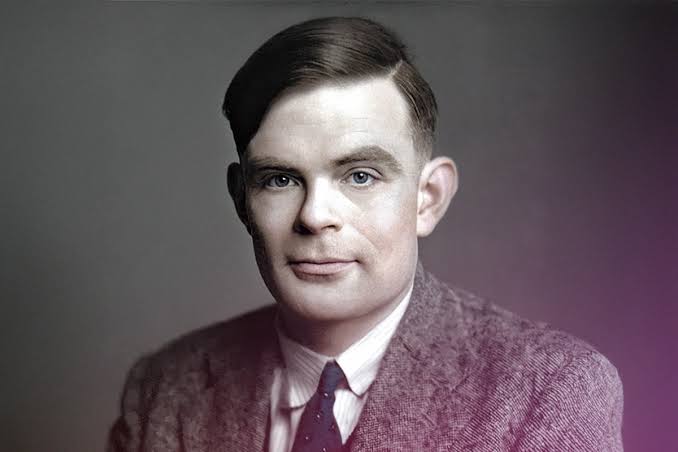
Turing’s diagnosis of Asperger’s, of course, also remains a speculation made solely based on his behavior. Turing was extremely socially isolated and, practically all of the time, was absorbed in his mathematical equations and was working on transforming the concept of computation itself. He shortened the WWII and saved millions of lives.
Nikola Tesla
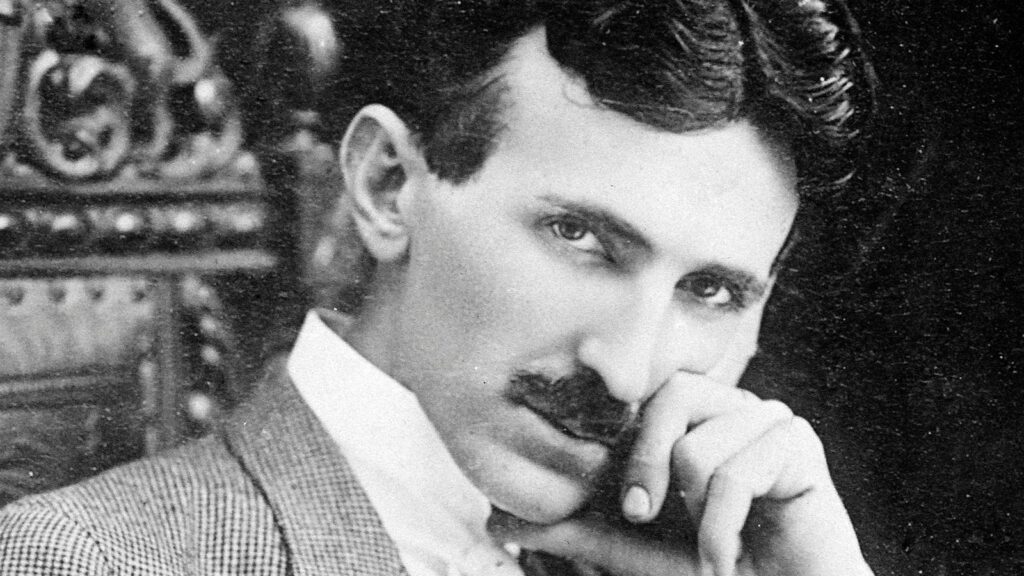
Tesla was infamous for his strong sensory issues, which began with his extreme aversion to human hair and jewelry, and obsessive rituals that he maintained throughout his life. He could visualize the machines he built in three dimensions, often without a blueprint. While his social skills were next to none, he was very emotionally invested in pigeons. All classic signs of Asperger’s.
Charles Darwin
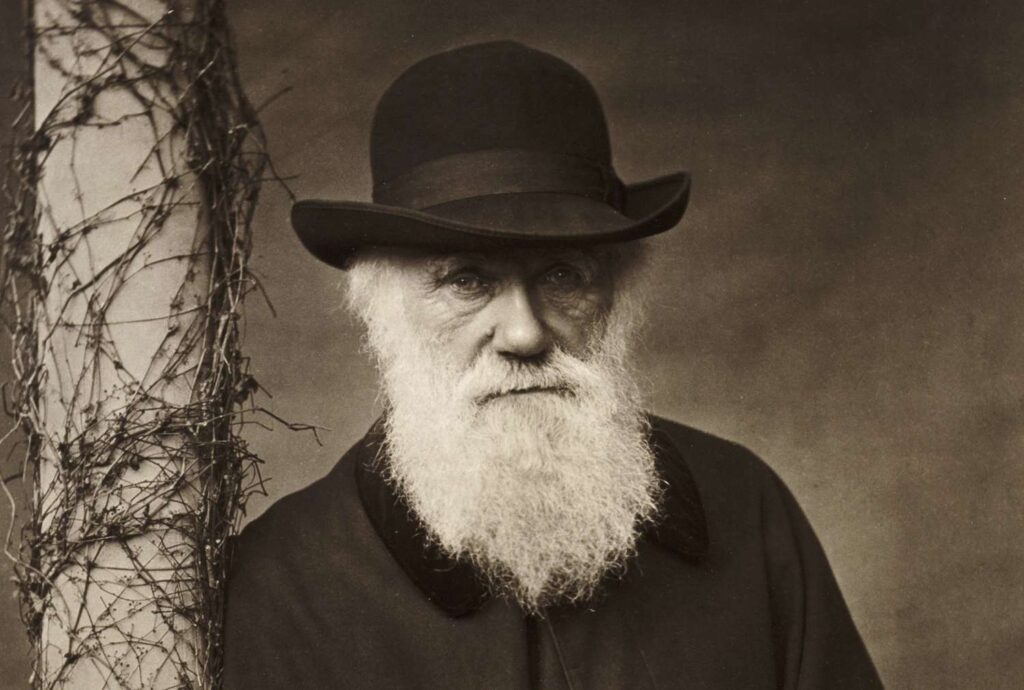
Charles Darwin spent years on the Beagle collecting and cataloging specimens with such an incredible attention to detail that it is exhausting to read about. In his later years, he was a bit of a hermit, living a very routine life and obsessed with a single idea that he worked on for twenty-odd years before finally publishing it. Many biographers have written about Darwin’s difficulties with social interactions and his preference for the company of animals and specimens over that of people.
Greta Thunberg

Greta Thunberg is back in the news again for her work in providing assistance to those who are impacted by the war in Gaza. Even after addressing the UN, and iron, in starting an international strike to promote action around the climate crisis. An overwhelming number of people cite her frankness as shocking and at times, intolerable; however, by also embracing her frankness, many people have listened to her messages as well. Thunberg has opened up about her diagnosis of Asperger’s syndrome and described it as her “superpower” in certain situations.
Temple Grandin
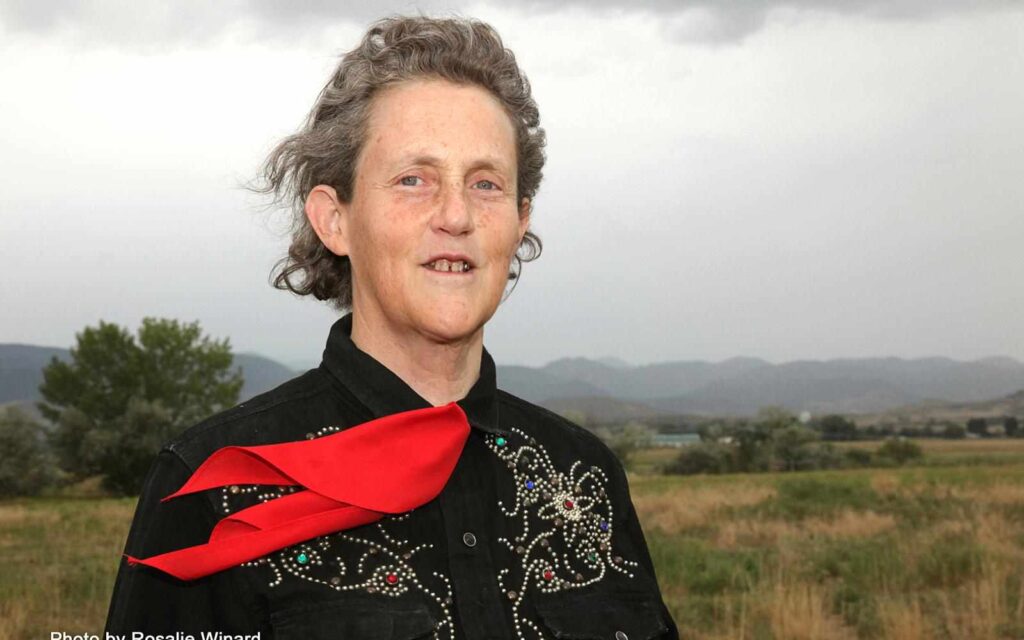
Temple Grandin, like most of the personalities discussed, was diagnosed with autism as a kid, but then discovered to have traits consistent with Asperger’s disorder as an adult. And yet this is just what Temple is known for. She developed a revolutionary system of livestock handling, reducing animals’ anxiety before processing. Grandin often described herself as thinking in pictures and recognizing animal behaviors unknown to others.
Anthony Hopkins
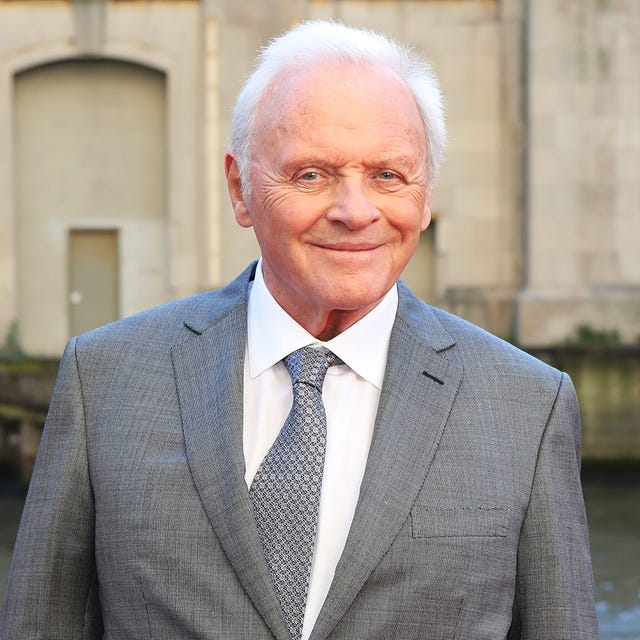
Anthony Hopkins is a hard-to-miss actor if you have seen the original Hannibal and The Silence of the Lambs. While his social delinquency in the film is hard to miss, there is also some of it in real life. He was diagnosed with Asperger’s syndrome quite late in life and expressed that he actually faced a lot of issues in his life and career due to it, without realizing it.
Elon Musk

Musk revealed on Saturday Night Live in 2021 that he has Asperger’s syndrome. His ability to focus intensely on specific technical problems, his direct communication style, and his large working memory, all of which can be challenging in everyday life, are well known to the public. The companies he founded have either greatly improved or, depending on one’s perspective, also greatly complicated life for many people around the world.
Emily Dickinson
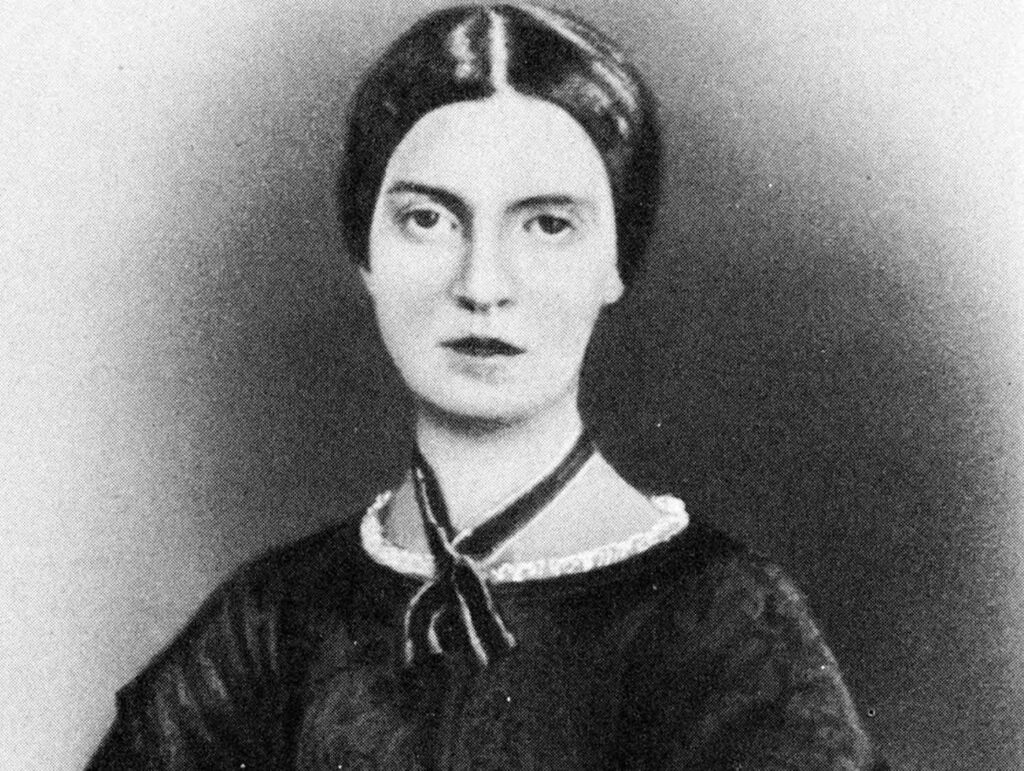
Dickinson never really left home, preferring to keep company through letters rather than being in person. This time at home, she remained intensely focused on poetry and excluded everything else from her life. However, during her lifetime, she published next to nothing. It was only after her death that nearly 1,800 of her poems were discovered. She is now considered one of the most original voices of American literature.
Conclusion
Most people think of geniuses and socially awkward people as being two separate groups of people yet, upon closer inspection of many of the most prominent individuals throughout history, there’s a commonality found throughout.
They were unable to socially adapt because they perceived the world around them differently from the rest of the population. Interestingly enough, most of these well-known historical figures were ultimately diagnosed posthumously with Asperger syndrome, although a small number received diagnoses while alive.