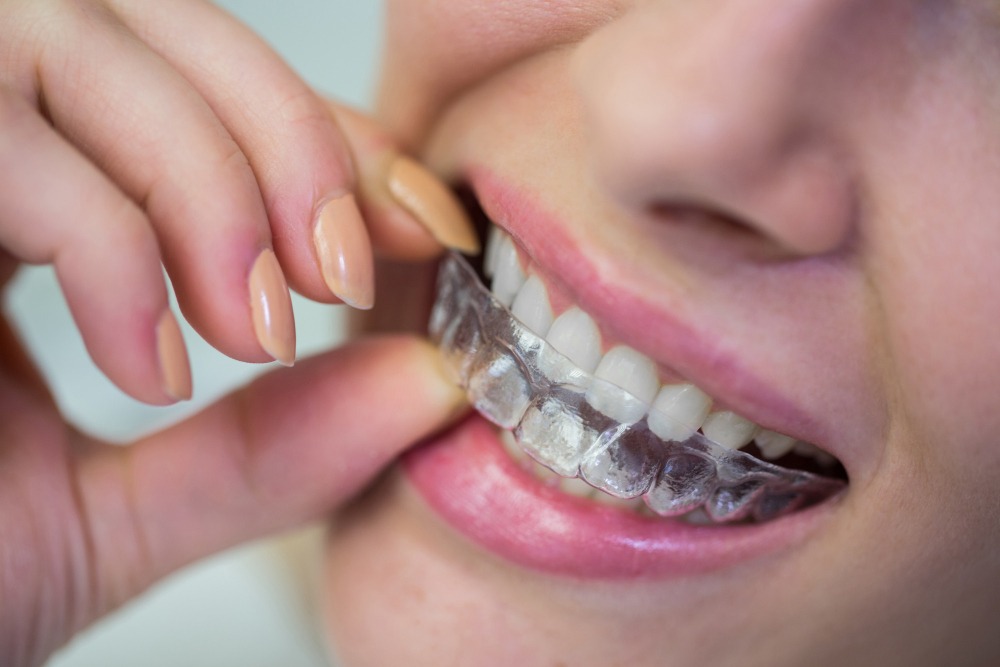
Getting started with orthodontic treatment often brings up a mix of curiosity and hesitation. Many adults and teens weigh comfort, appearance, and long term results before making a decision. Clear aligners have become a common option in these conversations, and they are often compared to traditional braces in both look and function. While no single solution fits everyone, Invisalign is often discussed as a flexible and low profile approach that may suit a wide range of lifestyles.
Less Noticeable Option
One of the first things people notice about Invisalign is its appearance. The trays are clear and designed to sit closely against the teeth, which can make them harder to see during daily interactions. This tends to matter for people who spend time in professional or social settings where they prefer a more subtle option. Traditional braces, by contrast, are easier to spot and may feel more noticeable in photos or face to face conversations. For many, the reduced visibility of aligners plays a role in how comfortable they feel during treatment.
Removable Design
Invisalign trays can be taken out when eating or drinking anything other than water. This can make meals feel more normal compared to fixed braces, which require more planning around certain foods. Sticky or hard items often need to be avoided with braces, while aligners allow for more flexibility since they are removed during meals. This design can also make it easier to brush and floss, since there are no wires or brackets to work around. Some people find that this leads to more consistent oral hygiene habits during treatment.
Helpful Add-Ons
Many treatment plans include accessories for Invisalign that support tooth movement over time. These may involve small attachments placed on teeth or other tools recommended by a dental provider. While these additions can make the process feel more structured, they are often part of how the system works to guide teeth into new positions. People sometimes overlook these details at first, but they can play a role in how the treatment progresses from one stage to the next.
Routine Matters
Consistency tends to be a common theme with clear aligners. Trays are typically worn for most of the day and only removed for short periods. Some people find it helpful to think of the process as something they stick to it like you would a skincare routine, where regular use becomes part of the day rather than a separate task. This approach can help people stay on track, especially during longer treatment plans that require multiple sets of aligners over time.
Fewer Office Visits
In some cases, Invisalign treatment involves fewer in person appointments compared to traditional braces. Many plans are mapped out in advance using digital scans, which allows for a series of aligners to be provided at once. Follow up visits may still happen, but they are often spaced out over longer periods. This can appeal to people with busy schedules who want to reduce the number of routine check-ins. It does not remove the need for professional oversight, but it may offer a different rhythm compared to other orthodontic options.
Comfort Considerations
Clear aligners are made from smooth plastic rather than metal components. This can affect how they feel in the mouth during daily wear. Some people describe them as less likely to cause irritation along the cheeks and gums, though adjustments can still take time. There may be pressure when switching to a new set of trays, which is part of how the teeth shift gradually. Comfort levels vary from person to person, but the material itself often becomes part of the comparison when choosing between options.
Digital Planning Process
Invisalign treatment often begins with a digital scan rather than traditional molds. This scan is used to create a model of the teeth and map out possible movements over time. Some people find it helpful to see a preview of how their smile may change throughout the process. While these projections are not exact outcomes, they can offer a general idea of what the treatment is designed to do. This type of planning may feel more modern compared to older methods, and it can shape expectations from the start.
Lifestyle Fit
Daily routines can influence how well a treatment plan fits into someone’s life. Invisalign tends to require a certain level of responsibility, since the trays need to be worn consistently and handled properly when removed. This can work well for people who are comfortable managing small habits throughout the day. Others may prefer a fixed option that does not rely on remembering to reinsert aligners after meals. The right fit often depends on how someone approaches routines and how much flexibility they want in their treatment.
What it May Not Solve
Clear aligners are often discussed as a broad solution, but they are not always suggested for every type of alignment issue. More complex cases may still be evaluated differently depending on the situation. This is why many people start with a consultation to understand what options are available to them. It helps set expectations and gives a clearer picture of how Invisalign compares to other approaches for their specific needs.
Invisalign is often part of a larger conversation about comfort, flexibility, and appearance during orthodontic care. It can offer a different experience compared to traditional braces, especially for people who value a removable and less noticeable option. The decision usually comes down to personal preference, daily habits, and guidance from a dental professional.