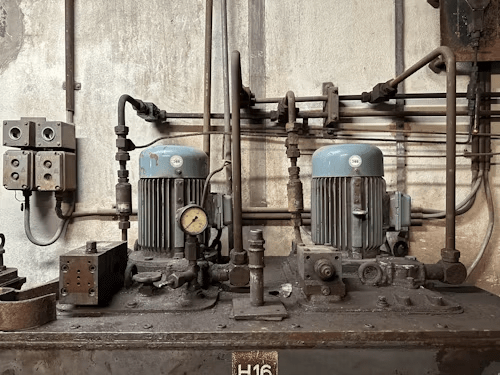
A waterfall pump is the part of your water feature that does all the quiet work. It pulls water from the base of your pond and pushes it back up over the rocks, creating that steady flowing sound people love. Pick the wrong one and your waterfall trickles instead of flows, or your electric bill climbs for no good reason. The same logic applies if you’re shopping for a fish tank water pump, since both jobs come down to moving water reliably without stressing the system.
Many people focus only on the appearance of a waterfall, but the pump determines how well the entire system performs every day. A properly sized waterfall pump provides consistent water flow, improves circulation, and helps maintain healthier water conditions by preventing stagnant areas. Whether you’re installing a new water feature or replacing an older unit, choosing the right pump delivers better performance, lower operating costs, and a more enjoyable outdoor space.
What Makes a Waterfall Pump Different from a Basic Pump
Not every water pump is built to lift water several feet into the air. A waterfall pump needs enough strength, often called head height, to push water up and over rocks or a spillway without losing pressure along the way. Regular pond pumps meant for filtration alone don’t always have that extra push built in. That’s why manufacturers design waterfall pumps with stronger motors and wider outlets to handle the added resistance. Choosing a pump made specifically for waterfalls saves you from buying twice.
Most waterfall pumps also run continuously, day and night, for months at a time. That means the internal parts need to handle constant use without overheating or wearing down fast. Cheaper motors tend to struggle here, losing power within a season or two. A well built pump keeps its flow rate steady even after long hours of operation. That reliability is what separates a pump you forget about from one you keep replacing.
Submersible vs External Pumps: Which One Fits Your Setup
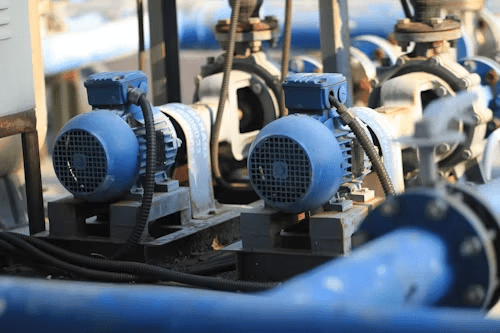
Submersible pumps sit underwater, usually at the base of the pond or inside a skimmer box. They’re quieter since the water muffles motor noise, and they’re easy to hide from view. Most homeowners with small to medium ponds go this route since installation is simple and there’s less plumbing involved. The tradeoff is that servicing means pulling the unit out of the water first.
External pumps sit outside the pond and connect through inlet and outlet tubing. They tend to move more water and last longer since the motor never sits in wet conditions, which suits larger ponds or taller waterfalls. Servicing is easier too, since the pump sits right there on dry ground. The tradeoff is more setup work and a visible unit that needs housing.
Getting the Flow Rate Right for Your Waterfall
Flow rate, measured in gallons per hour, decides how full and lively your waterfall looks. A common rule is to allow roughly 100 to 150 gallons per hour for every inch of waterfall width. A two foot wide spillway might need somewhere close to 3000 gallons per hour to look right. Too little flow and the water just dribbles over the edge instead of cascading. Too much and you risk splashing water outside the pond liner, wasting energy in the process.
Tubing size matters just as much as the pump itself. Strong output pushed through tubing that’s too narrow loses pressure fast, similar to putting your thumb over a hose. Wider tubing keeps resistance low and lets the motor work efficiently instead of straining. Matching pipe diameter to your flow rate is often the difference between equipment that lasts and equipment that burns out early.
Head Height and Why It Matters
Head height is the vertical distance water needs to travel from the pump to the top of your waterfall, plus any bends in the tubing. Every pump loses some power as it pushes water higher, so the flow rate on the box usually drops once height is added. A pump rated at 2000 gallons per hour at ground level might only deliver half that at four feet up. Always check the flow chart at your specific height rather than trusting the maximum number on the label.
Ignoring head height is one of the most common buying mistakes. People pick a pump based on the biggest GPH number they see, then wonder why their waterfall looks weak once installed. Measuring the actual vertical rise before you shop saves you from returning the wrong unit and paying for power you’ll never use.
Why Pump Choice Matters Just as Much Inside a Fish Tank
A fish tank water pump handles a very different job but shares the same core purpose, keeping water moving so it stays healthy. Inside an aquarium, that movement spreads oxygen evenly, prevents dead spots, and stops waste from settling in corners. Without steady circulation, algae builds up faster and toxins can concentrate in areas fish can’t avoid. Saltwater tanks generally need stronger flow than freshwater setups, so the right fish tank water pump depends heavily on what you’re keeping. Getting this choice right protects the animals living in that closed environment.
Submersible models are the most common choice for home aquariums since they’re compact and simple to install. Inline pumps sit outside the tank and run cooler, which matters in smaller volumes of water where heat builds up fast. A wave maker style pump creates gentle current rather than a strong directional push, which many fish and corals prefer. Matching the pump type to your tank size and species makes a real difference in long term water quality.
Energy Use, Noise, and Basic Maintenance
Running costs add up over a full year, especially for units that operate around the clock. Newer motor designs use noticeably less electricity than older magnetic drive models while still delivering strong flow. Noise matters too, since a rattling motor near a patio or living room window gets old fast. Ceramic shaft designs and rubber feet help cut down vibration, and reading real reviews usually gives a better sense of loudness than a spec sheet does.
Regular cleaning keeps any pump running at full strength. Unplug the unit, rinse the intake screen and impeller with clean water, and clear away algae with a soft brush rather than soap or harsh chemicals. A slight drop in flow usually signals a clogged intake rather than a failing motor, so check every few weeks before problems grow. These small habits separate equipment that lasts for years from equipment that dies in one season.
Final Thoughts on Choosing the Right Pump
Whether you’re setting up a backyard waterfall or maintaining a fish tank water pump for your aquarium, the same principles apply. Match the flow rate and head height to your actual setup, not just the biggest number on the box. Think about noise, energy use, and how easy the pump is to clean before you commit. A little research upfront saves money and frustration for years afterward.
Frequently Asked Questions
How do I know what size waterfall pump I need?
Measure your waterfall’s width and the vertical height water needs to travel, then match that to the pump’s flow rate chart at that specific height, not just its maximum rating.
Can I use a regular pond pump for a waterfall?
Some can work for very small features, but most standard pond pumps lack the head height needed to push water strongly over rocks or a spillway.
What’s the difference between a submersible and external waterfall pump?
Submersible pumps sit underwater and run quieter, while external pumps sit outside the pond, move more water, and are easier to service.
Do saltwater tanks need a stronger fish tank water pump than freshwater tanks?
Yes, saltwater fish and corals generally need higher flow rates for proper oxygenation, while freshwater fish often do well with gentler circulation.
How often should I clean my waterfall or aquarium pump?
Check it every few weeks and give it a full clean whenever you notice reduced flow, since a clogged intake is usually the first sign of buildup.