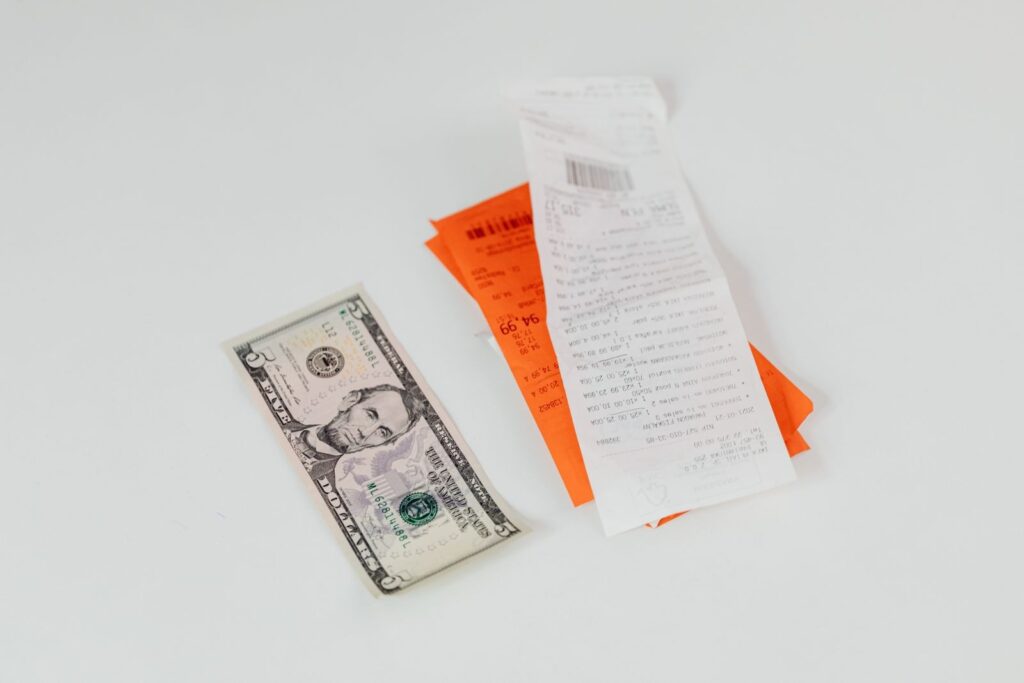
Buy a coffee table on a Tuesday. See it forty dollars cheaper on Saturday. Most people feel a small flash of irritation, decide that arguing about it would be undignified, and move on with their weekend. The store was, in most cases, prepared to hand the difference back with no argument at all. It just was not going to bring it up.
Price adjustment policies are real, written down, and almost never used. They are also short. Not months. Days. And they differ enough store to store that a rule of thumb is worse than useless, because the rule of thumb makes you confident on the wrong week.
The Windows, Store by Store
Start with the four that cover most household spending. Target allows 14 days. Home Depot allows 30, which is the most forgiving number on this list by a wide margin. Apple allows 14. Nordstrom allows 10, and this is the one that catches people, because Nordstrom counts from the day the item ships rather than the day you clicked buy. Order something that sits in a warehouse for four days and you have effectively lost four days of your window before you ever opened the box.
Two practical consequences. First, the day you buy is not always day one. Second, any tool or article that quotes you a single tidy number for a retailer without pointing at that retailer’s own policy page is guessing, and the guesses in this category are frequently wrong in the direction that costs you the claim.
What Will Never Qualify, No Matter How Fast You Are
This is the part worth learning early, because chasing an excluded purchase is how people decide the whole idea is a scam.
Clearance is out. If the item was already marked down as clearance, a further drop is not an adjustment, it is just clearance doing what clearance does. Marketplace sellers are out, because the policy belongs to the retailer and the sale belonged to a third party. Black Friday and the surrounding promotional period is out at most retailers, which is precisely when prices move the most. And Amazon is out entirely. It has had no price adjustment policy since 2016, and no amount of politeness on a chat window changes that.
Knowing the exclusions is not pessimism. It is what keeps the exercise from feeling like a waste of an afternoon.
The Filing Part Is Fiddly and That Is the Whole Problem
Say you catch a drop in time. Now you need to know which channel that particular store actually honors. Some want a web form. Some only resolve it over chat. Some take an email with the order number. Get the channel wrong and you get a polite non answer, and by the time you try again the window has closed.
Then multiply that by every purchase your household makes in a month. This is the reason the money goes uncollected. It was never that people do not want twenty five dollars. It is that twenty five dollars does not survive contact with three browser tabs and a chat queue.
Software has taken over this chore over the past few years, with varying honesty about what it can deliver. The version worth using reads the receipts under a read only, revocable connection, attaches the correct window to each item, and files in whatever format the store accepts. Cashble, running since 2023, prices this as a flat subscription and takes no percentage of anything recovered, which matters more than it sounds: a twelve dollar refund should land as twelve dollars. It also shows the refusals, which is a small detail that tells you a lot. No recovery is guaranteed and any tool that implies otherwise is not being straight with you.
The Bigger Checks Are on a Different Clock
Price drops are the visible half. The larger money usually sits somewhere less obvious.
Class action settlements pay out on products people bought years ago, and the claim deadlines are generous by comparison, often months rather than days. Product recalls work similarly. In both cases the qualifying evidence is the same receipt sitting in the same inbox, which is why any system reading your purchase history for price drops should be checking against settlement and recall lists at the same time. Same data, different and frequently bigger money.
What to Actually Do This Week
Pull up anything you bought in the last ten days from a retailer that publishes a policy. Check the current price. If it dropped, find the store’s policy page, note whether the clock started at purchase or at shipment, and file through the channel it names. That is the entire process, and it works.
The window is open right now on something you own. It closes on a specific day. Nobody is going to remind you.