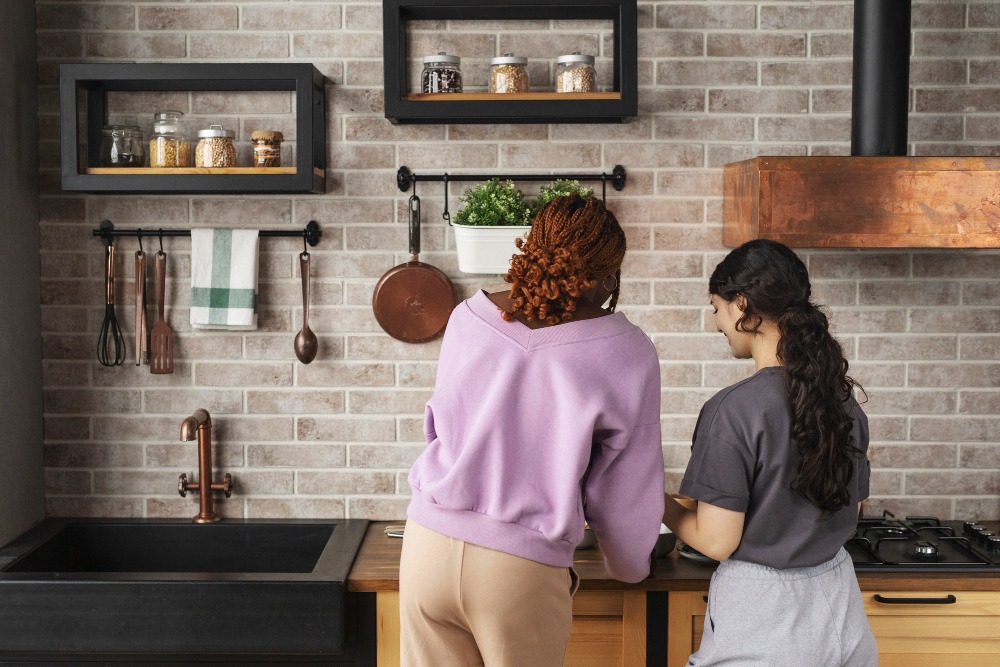
Upgrading your kitchen can transform one of the most used spaces in your home. Whether you are planning a full renovation or simply refreshing key features, having a checklist helps ensure you prioritize the elements that improve functionality, style, and efficiency. Kitchens involve many moving parts, from appliances and layout to materials and lighting, so planning carefully can prevent costly mistakes and delays.
Below is a practical 10-point checklist to guide you through the most important upgrades when improving your kitchen.
1. Start With a Clear Vision for Your Kitchen
Before purchasing anything, define what you want your upgraded kitchen to achieve. Are you aiming for a sleek modern design, a cozy family kitchen, or a chef-inspired cooking space?
Think about:
- How do you use the kitchen daily
- Whether you entertain frequently
- What style or color palette do you prefer
Having a clear vision ensures that every upgrade contributes to a cohesive and functional design rather than a collection of mismatched features.
2. Set a Realistic Budget
Kitchen upgrades can range from modest improvements to large-scale renovations. Setting a clear budget early helps you prioritize where to invest.
Typical budget categories include:
- Appliances
- Cabinets and storage
- Countertops and splashbacks
- Labor and installation
- Lighting and electrical work
Planning finances carefully helps prevent overspending and ensures that the most important upgrades are completed first.
3. Upgrade Your Refrigeration First
Refrigeration is often the most used appliance in any kitchen, running continuously to keep food safe and fresh. Because it operates 24 hours a day, choosing the right fridge or freezer can significantly impact efficiency and convenience.
When planning your upgrade, consider exploring modern refrigeration appliances that offer features such as:
- Energy efficiency
- Smart temperature control
- Larger storage capacity
- Built-in or integrated designs
A well-chosen refrigeration system forms the backbone of a functional kitchen.
4. Evaluate Your Kitchen Layout
The layout of your kitchen determines how easy it is to cook, clean, and move around the space. An effective layout places key appliances strategically so that your workflow feels natural.
Common layout improvements include:
- Creating a better work triangle between sink, stove, and fridge.
- Adding an island for extra preparation space.
- Opening the room for better traffic flow.
Even small layout adjustments can dramatically improve usability.
5. Invest in High-Quality Cooking Appliances
Cooking appliances play a central role in any kitchen upgrade. Depending on your cooking habits, you may want to invest in:
- A modern oven or range
- An induction cooktop
- A wall oven for additional baking capacity
Selecting appliances that match your cooking style ensures your kitchen supports the way you actually use it.
6. Improve Storage and Cabinet Functionality
Storage upgrades are often the most noticeable improvement in a kitchen. Efficient cabinetry makes cooking easier and keeps clutter under control.
Popular storage upgrades include:
- Pull-out pantry shelves
- Deep drawers for cookware
- Corner cabinet organizers
- Built-in spice racks
Smart storage ensures everything has a place and makes daily cooking far more enjoyable.
7. Upgrade Countertops and Work Surfaces
Your countertops play both a practical and visual role in the kitchen. Durable materials improve functionality while also enhancing the overall design.
Common countertop choices include:
- Quartz
- Granite
- Butcher block
- Stainless steel
Choosing a surface that suits your lifestyle is key. For example, avid cooks may prioritize durability, while design-focused homeowners may prioritize aesthetics.
8. Install Better Lighting
Lighting is often overlooked during kitchen upgrades, yet it can dramatically influence the space.
A well-lit kitchen typically includes three layers:
- Task lighting for food preparation.
- Ambient lighting for overall brightness.
- Accent lighting to highlight design features.
Proper lighting improves both safety and atmosphere.
9. Consider Integrated Appliances
Modern kitchen design often favors integrated appliances that blend seamlessly with cabinetry. Refrigerators, dishwashers, and microwaves can all be hidden behind panels to create a clean and streamlined look.
This approach helps kitchens feel less cluttered and more cohesive, particularly in open-plan homes.
10. Think About Long-Term Functionality
Finally, consider how your kitchen will serve you in the future. Good upgrades should support long-term usability rather than just short-term trends.
Ask yourself:
- Will this design still feel practical in five years?
- Does the layout support growing families or changing needs?
- Are the appliances durable and energy efficient?
Thinking ahead ensures your investment continues to pay off over time.
A Smarter Approach to Kitchen Upgrades
Upgrading a kitchen is not just about aesthetics. It is about improving how the space works for your daily life. By following a clear checklist that includes appliances, layout, storage, and design, you can transform your kitchen into a more efficient and enjoyable space.
With thoughtful planning and the right upgrades, your kitchen can become the centerpiece of your home.