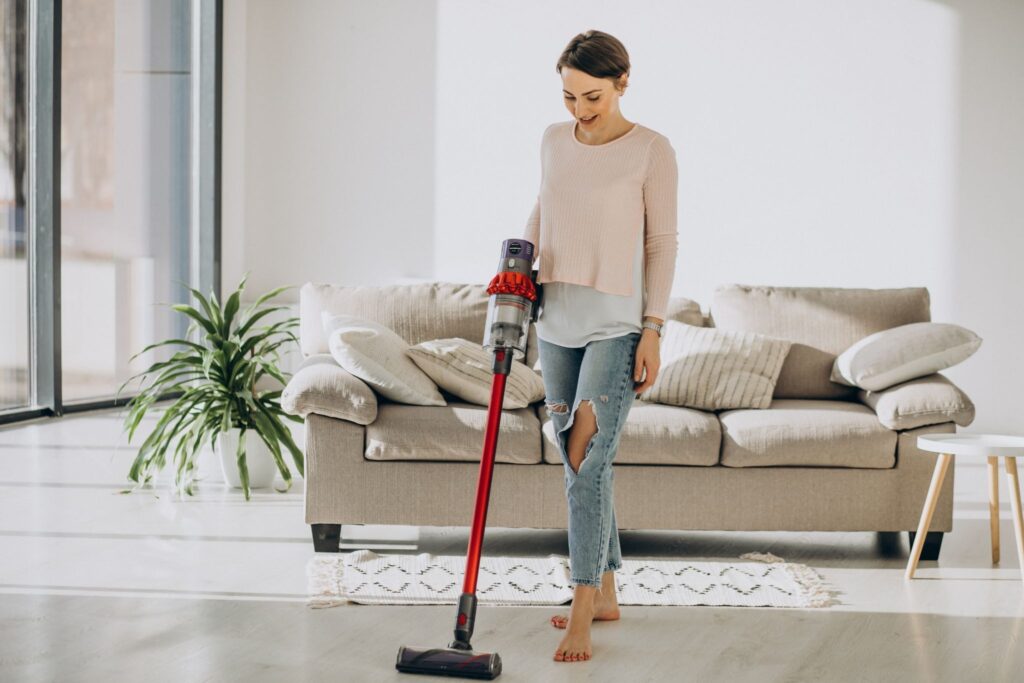
Why Cordless Vacuums Have Become Everyday Essentials
Modern homes are demanding places — pet hair works its way into upholstery, crumbs find every gap between cushions, and dust settles in corners long before the next deep clean. Corded vacuums can handle all of this, of course, but dragging a heavy machine from room to room, wrestling with a trailing cord, and finding somewhere to store it all can turn a quick tidy into a genuine ordeal. That mounting frustration is precisely why cordless stick vacuums have earned such a firm place in everyday households. Most people begin their search with a familiar name — a cordless vacuum cleaner is often among the first models anyone encounters when exploring cord-free cleaning — before realising that the best choice ultimately comes down to their specific home, habits, and lifestyle.
How Cordless Vacuums Work
Most cordless vacuums run on lithium-ion batteries that power both the motor and brush head without any need for a wall outlet. Many models use cyclonic suction to separate debris from the airstream before it ever reaches the filter, and they generally fall into one of three categories: stick vacuums (full-length, designed for floors), handheld models (compact and purpose-built for spot cleaning), or convertible designs that switch effortlessly between both. Performance across the board has improved considerably in recent years, closing the gap with corded machines — particularly on hard floors and low-pile carpets.
One feature well worth understanding is HEPA filtration. A HEPA-rated filter captures extremely fine particles — dust mite debris, pet dander, and similar allergens — rather than sending them back into the room. For anyone who suffers from allergies, a sealed filtration system isn’t an optional upgrade; it’s a genuine necessity.
Matching a Cordless Vacuum to Your Space
Before committing to a purchase, it helps to think honestly about three things: home size, flooring type, and whether you share your space with pets.
- Small apartments: Prioritise a lightweight build, compact storage, and enough runtime to cover every room on a single charge. A convertible model that doubles as a handheld adds real versatility for upholstery, stairs, and cars.
- Large or multi-level homes: Look for extended runtime, swappable batteries, or fast-charging capability. When you’re carrying a vacuum between floors regularly, weight stops being a minor inconvenience and becomes a genuine factor.
- Homes with pets or allergies: Seek out motorised brush heads specifically designed to resist hair tangling, and make sealed filtration a priority. Independently verified claims carry far more weight than marketing labels.
Quick Tip: In multi-level homes, try tackling upstairs rooms first on a lower power setting to conserve battery, then switch to a higher mode for busier ground-floor areas.
Features That Actually Matter
Strip away the marketing language, and four features consistently determine how satisfied people are with their cordless vacuum over time: battery life across different power modes, filtration quality, weight and balance, and the attachments included. A crevice tool, mini motorised brush, and dusting brush can extend a vacuum’s usefulness well beyond bare floors. Independent testing organisations assess vacuums on cleaning performance, filtration efficiency, and ease of use — consulting those findings alongside manufacturer specifications gives a far more complete and reliable picture.
Maintenance: Protecting Your Investment
A cordless vacuum delivers its best performance when it’s looked after consistently. Empty the bin before it reaches capacity — waiting until it’s full noticeably reduces suction. Clean the filters on the schedule the manufacturer recommends, and check the wand and brush head for blockages at least once a month.
On the battery side, try to avoid repeatedly running it all the way down to zero; partial charges are perfectly fine for lithium-ion cells and tend to extend their lifespan. Store the vacuum indoors at a moderate temperature, and stick to the manufacturer’s charging guidelines to slow long-term capacity loss.
Key Takeaway — Battery Care:
– Avoid full discharge cycles where possible
– Store at room temperature
– Follow manufacturer guidelines for charging duration
A few warning signs suggest parts may need replacing: a noticeable drop in suction even after cleaning the filters, persistent odours that won’t clear, or a significantly shorter runtime after a full charge.
Making a Confident, Informed Choice
No single cordless vacuum is the right fit for every household. The best choice comes from taking an honest look at your home’s size, flooring, and cleaning demands, then measuring those needs against runtime, filtration quality, weight, and long-term maintenance. Pairing that framework with independent test data and genuine user reviews grounds the decision in reality rather than advertising. The time invested in understanding these factors upfront pays off in a cleaner home, better indoor air quality, and considerably less friction around one of life’s most routine tasks.