
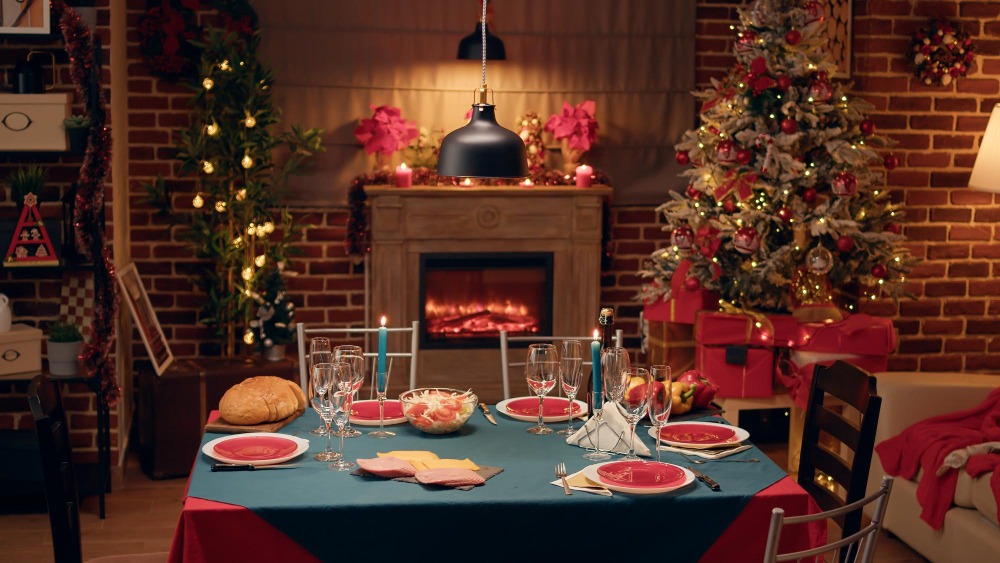
Holiday shopping has a funny way of feeling premature right up until it suddenly feels late. Christmas decorations begin appearing in stores while pumpkins are still on porches, and it can be tempting to ignore them until December feels closer. For anyone who enjoys decorating, entertaining, or simply avoiding a frantic December shopping trip, fall is actually one of the smartest times to buy. The selection is broader, there is time to make thoughtful choices, and purchases can become part of a coordinated holiday plan rather than a collection of last-minute finds.
Shop While Selection Is Strong
One of the best reasons to shop early is simple: You get to choose instead of settling. Retailers typically introduce seasonal collections well before December, giving shoppers access to complete sets, coordinated pieces and popular designs before inventory starts thinning out. When buying holiday decor in fall, it is easier to find matching ornaments, garlands, candleholders, stockings and tabletop accessories without hunting across multiple stores.
Early shopping also gives you room to think about what you already own. Instead of buying another box of ornaments because Christmas is two weeks away and the tree looks bare, you can take inventory first. Decide which colors, materials and styles work with your home, then fill actual gaps. The same approach works for serving pieces and dinnerware. If you need eight matching dinner plates, buying while the entire collection is available makes far more sense than hoping the remaining six plates magically reappear on Dec. 20.
Build a Better Holiday Table
Christmas dinnerware does not have to feature holly leaves, snowmen or Santa Claus to feel festive. Shopping in fall gives you time to consider pieces that can work throughout the colder months. Cream stoneware, colored glassware, metallic accents, linen napkins and substantial serving platters can move from Thanksgiving through New Year’s Eve with a few changes to the centerpiece.
This is also a good time to think beyond place settings. Serving bowls, cake stands, gravy boats, pitchers, trays and platters often matter just as much once guests arrive. A beautiful table can lose some of its polish when the main dish appears in the same battered baking pan used on a random Tuesday.
Planning ahead lets you mix investment pieces with inexpensive seasonal additions. Neutral dinnerware can serve as the foundation, while patterned napkins, decorative plates, candles and greenery provide the Christmas character. That approach keeps storage under control and makes it easier to update the table from year to year without replacing everything.
Give Yourself Time to Edit
Buying early does not mean decorating early. You can shop in October and leave the Christmas tree safely in its box until December. The advantage is having enough time to see how your purchases work together before the holiday calendar fills up.
Lay out new table linens with your dishes. Check whether serving pieces fit comfortably on the dining table. Test candles in their holders. Look at ornaments alongside the decorations you already own. These small exercises can reveal mismatched colors, duplicate items or practical problems while returns and exchanges are still relatively painless.
Fall shopping also creates an opportunity to edit older collections. Decorations accumulate quickly, particularly when sentimental pieces, gifts and impulse purchases all share the same storage bins. Keep the items you genuinely enjoy and reconsider those that have spent several Christmases buried at the bottom. A smaller collection that works together can make decorating easier and give favorite pieces more attention.
Plan the Menu Around Serving
Dinnerware and food planning are more connected than they initially appear. Before buying another enormous platter or tiny appetizer plate, consider what you actually serve. Looking through Christmas party food ideas during fall can help you determine which tabletop pieces will earn their storage space.
If you tend to serve appetizers throughout the evening, smaller platters, cocktail napkins and accessible serving boards may be more useful than formal place settings. A traditional seated dinner calls for different pieces, including larger serving bowls, sauce dishes and enough glassware for everyone at the table. Dessert lovers may get far more mileage from a cake stand and small plates than another decorative centerpiece.
Thinking about food early also helps prevent a common holiday hosting problem: discovering that every dish needs the same oven, serving bowl or section of the table at precisely the same time. You do not need a finalized Christmas menu in October, but having a general entertaining plan makes shopping far more purposeful.
Make December About Enjoying It
The strongest argument for fall shopping may have nothing to do with trends or inventory. December already asks a lot of people. There are gifts to buy, meals to plan, invitations to answer, homes to decorate and traditions people genuinely want time to enjoy.
Taking decor and dinnerware shopping off that list creates breathing room. It also spreads holiday expenses across more than a few December weeks, which can make seasonal spending easier to manage. By the time decorating day arrives, everything is already there. You can put on music, open the boxes and enjoy what you chose instead of realizing halfway through that you still need six wine glasses and a tablecloth.
Buying Christmas decor and dinnerware in fall is not about rushing the season. It is about getting the shopping finished before the season starts rushing you.


